

Is a Medium Filter the Missing Link in Stable and Efficient Filtration Systems?
2025-12-29
When I first evaluated different filtration stages for industrial and commercial purification systems, I quickly realized how often the middle layer was underestimated. That was when I began paying close attention to the role of a Medium Filter. Through hands-on testing and long-term performance comparisons, I found that solutions from Grandfort consistently addressed the exact balance many users struggle to achieve between efficiency, durability, and operating cost.
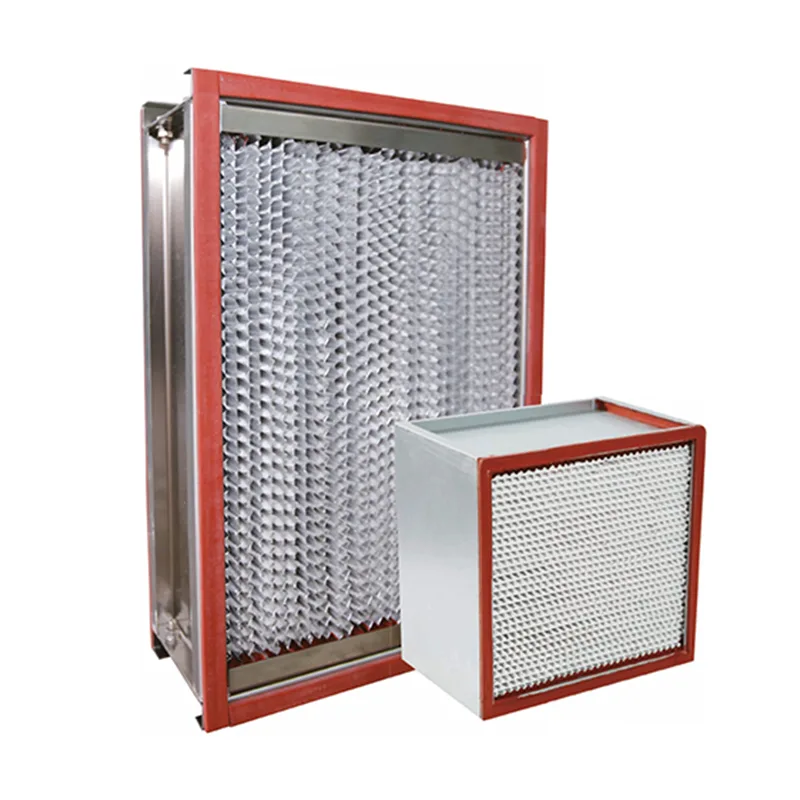
Why Do Many Filtration Systems Fail Without a Medium Filter?
From my experience, most filtration failures do not start at the final stage. They start much earlier. Without a properly designed Medium Filter, fine particles overload high-efficiency filters, leading to pressure drops, frequent replacements, and unstable airflow.
- Premature clogging of downstream filters
- Inconsistent purification efficiency over time
- Higher operational and maintenance costs
- Reduced lifespan of critical system components
A well-constructed Medium Filter acts as a protective buffer, capturing mid-sized contaminants before they can compromise the entire system.
How Does a Medium Filter Improve Overall Filtration Performance?
In real-world applications, performance is not just about particle capture rates. It is about system stability. A Medium Filter optimizes airflow while maintaining reliable filtration efficiency, which is especially important in environments with fluctuating dust loads.
| Performance Aspect | Without Medium Filter | With Medium Filter |
|---|---|---|
| Airflow stability | Highly variable | Consistent and balanced |
| Filter replacement cycle | Short and unpredictable | Extended and manageable |
| System pressure drop | Rapid increase | Controlled progression |
| Overall operating cost | Higher over time | Optimized and predictable |
This is why I always recommend integrating a Medium Filter into any multi-stage filtration setup, regardless of industry or scale.
What Makes a High-Quality Medium Filter Different From Generic Options?
Not all medium-stage filters deliver the same results. During system audits, I have seen low-grade filters collapse, deform, or lose efficiency far sooner than expected. A properly engineered Medium Filter focuses on structural integrity as much as filtration accuracy.
- Uniform fiber distribution for consistent particle capture
- Low resistance design to maintain airflow
- Stable frame construction to prevent bypass leakage
- Reliable performance under variable humidity and load conditions
These characteristics directly impact how long a Medium Filter can perform effectively without intervention.
When Should You Upgrade to a Medium Filter in Existing Systems?
I am often asked whether medium-stage filtration is only necessary for new installations. Based on field experience, upgrading an existing system with a Medium Filter can deliver immediate benefits.
If you notice rising energy consumption, frequent HEPA replacements, or inconsistent air quality readings, those are clear indicators that your system lacks adequate mid-level filtration. Adding a Medium Filter can quickly restore balance and reduce stress on downstream components.
How Can the Right Medium Filter Reduce Long-Term Costs?
While the initial focus is often on purchase price, the true value of a Medium Filter becomes evident over time. By stabilizing pressure differentials and protecting high-efficiency filters, operational expenses decrease steadily.
From my own calculations across multiple projects, systems equipped with a reliable Medium Filter consistently show lower maintenance frequency, fewer emergency shutdowns, and more predictable budgeting for consumables.
Are You Ready to Optimize Your Filtration System With a Medium Filter?
After years of working with diverse purification setups, I consider the Medium Filter a critical component rather than an optional upgrade. Choosing the right solution can significantly improve performance, reliability, and cost control across your entire system.
If you are evaluating ways to enhance filtration efficiency or extend system lifespan, now is the right time to act. Review your current setup, identify gaps in mid-stage filtration, and take the next step. For tailored guidance or product inquiries, please contact us today and let our team help you select the right solution for your application.