
Weatherproof Silicone Sealant Supplier Selection Tips for Durable Projects
2026-11-23
Choosing the right weatherproof silicone sealant can make or break a project that’s meant to last. From fluctuating temperatures to constant moisture, the wrong product often shows its weaknesses only after the damage is done. Instead of learning the hard way, start with the supplier itself. Baolongda Group has earned a reputation for reliable, high-performance sealants, but even the best materials need the right buying approach. This guide walks you through practical selection tips that help you avoid common pitfalls and specify with confidence.
Read Past the Spec Sheet to See What Holds Up Outdoors
A spec sheet can list denier, waterproof ratings, and powder-coat thickness, but it won't mention how the fabric feels after a summer of direct sun or whether the zippers still glide once fine trail dust settles into the teeth. Outside, failures rarely happen where the marketing bullet points are aimed.
Look at the places that catch stress before the product even leaves the porch: corner stitching on a canopy, the underside of a camp chair's armrest, the crease where a dry bag gets rolled shut. These are the spots where abrasion, UV breakdown, and repeated flexing quietly do their work, and they don't show up in most comparison charts.
The items that last tend to share unglamorous details—drain holes placed where water actually pools, buckles that stay pliable in freezing temperatures, backing fabrics that resist peeling rather than just looking thick. If you read past the numbers and watch how something fails, the difference between a one-season purchase and a five-year staple becomes obvious.
Ask for Field Failures Instead of Polished Sample Tubes
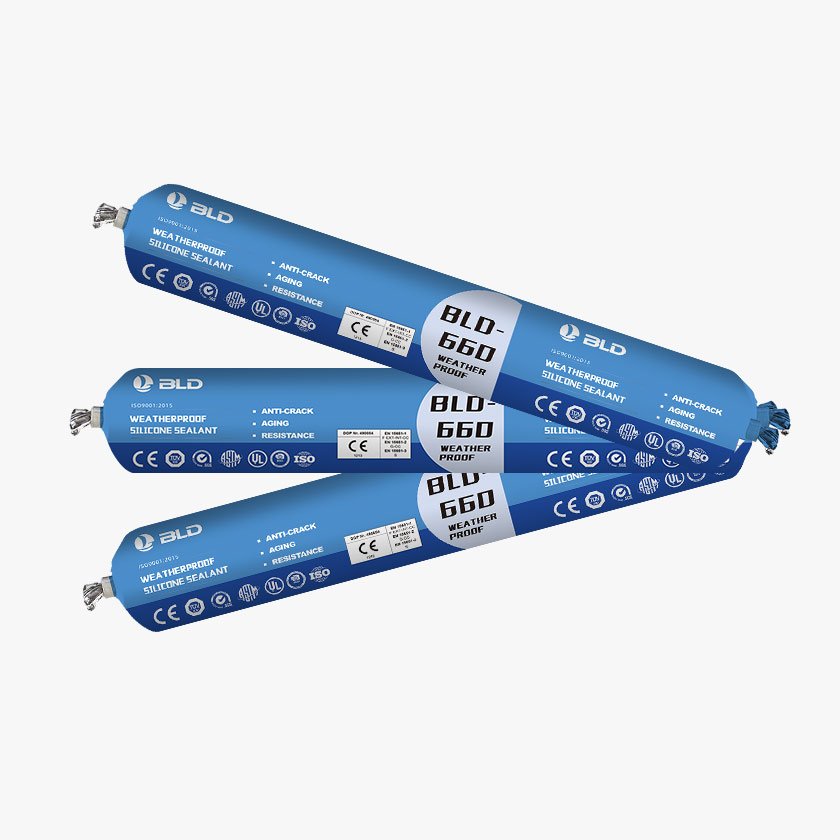
Polished sample tubes tend to hide the very information you need. They are cleaned, buffed, and selected to represent a perfect run, so the surface tells you almost nothing about how the part behaves after months of pressure cycles, vibration, or contact with real fluids. When you base a decision on those samples, you are essentially evaluating a memory of ideal conditions rather than the conditions your equipment will actually face.
Field failures, by contrast, arrive with their history still attached. A cracked shoulder, a worn seal groove, or a discolored section can point directly to a stress riser, a lubrication breakdown, or a material incompatibility that no polished sample would ever reveal. Even the location of deposits or the direction of scoring helps you separate a one-off assembly error from a design weakness that will repeat across the fleet.
Asking for failed parts may feel less comfortable than accepting a neat sample kit, but the request usually changes the conversation in useful ways. It shows the supplier or service team that you care about long-term behavior, not just first impressions. In many cases, the failed tube becomes the shared reference point for a better material call, a revised clearance, or a field update that prevents the next failure.
Match the Cure System to Your Climate and Substrate
Hot, windy weather strips moisture from fresh concrete faster than most cure compounds can lock it in, so a high-solids film former with good spray retention tends to earn its place in arid regions. In cool, damp climates the opposite problem shows up: moisture hangs around, condensation sits on the surface, and some solvent-based cures struggle to set cleanly. Matching the cure to the climate means reading the evaporation rate rather than assuming a standard product will behave the same everywhere.
The substrate is the second half of the decision. A dense, hard-troweled slab accepts a film-forming cure well but can trap bleed water if applied too early, while an open, porous surface drinks the material unevenly and may need a penetrating silane or silicate that works below the surface. Existing slabs with old sealers, oil, or dust demand a different approach entirely, because the cure has to bond with whatever is actually there, not with an idealized concrete surface.
Before covering the whole floor, run a small patch under the same sun, wind, and slab temperature you expect on application day. Check how quickly the sheen builds, whether the surface turns tacky, and whether the edges dry out before the center. That single test tells you more about the right cure system than a generic product data sheet ever will.
Verify Batch Consistency Before You Run a Full Project
Before committing to a full run, take a close look at the incoming materials themselves. A supplier can ship what looks like the same ingredient two weeks apart, yet moisture content, particle size, or reactivity can drift enough to alter how everything behaves downstream. Comparing these key characteristics across the batches you plan to use often reveals small mismatches long before they turn into rejected work.
Running a limited trial with portions from each batch gives you a clearer read than any specification sheet. Watch how the material mixes, how it responds to heat or curing, and whether the finished sample matches the reference you have been relying on. When one batch behaves slightly outside the expected range, you can set it aside or adjust the blend, instead of discovering the problem after the entire production line has already been committed.
Keep the record simple: note which batches were tested, what was observed, and what action followed. That small habit makes future fluctuations much easier to trace. It also spares you from spending an afternoon trying to figure out why a large batch suddenly stopped cooperating, when the answer was visible in the pre-run check all along.
Look Past Price for Long-Term Joint Movement Data
Price alone has a way of dominating attention, but a single quote rarely tells you much about how things actually move together over time. Joint movement data shifts the focus from isolated highs and lows to the way multiple series drift, turn, and respond to each other across weeks or months. What looks like a random jump on one chart often lines up with a quieter shift somewhere else, and that connection is easy to miss if you keep staring at the price line.
When you compare movements side by side, the useful patterns tend to emerge slowly. One index may start turning days before another, or two markets that seem unrelated can follow the same underlying rhythm with different delays. These relationships rarely announce themselves in a daily change; they become visible only when the data is allowed to accumulate and reveal its cadence.
Looking past the immediate price also reduces the urge to overreact to short-term noise. Instead of asking what the latest quote did, you start asking what the broader movement structure implies about momentum, lag, and balance. Over time, that view tends to produce calmer decisions and a more grounded reading of where things are actually heading.
Pressure-Test the Support Team Before You Commit
Before you sign, ask the support team to walk you through a recent mess. Not the tidy case study from the sales deck, but a real incident that slipped through. Who noticed first, what broke, and how long did it take to make things right? Their comfort in describing the failure usually tells you more than any uptime promise.
Run a short trial that includes inconvenient timing. File a request late on a Friday or during a holiday and pay attention to the reply speed, the tone, and whether anyone follows up after the first canned message. A team that treats your issue as a distraction will do the same to your customers.
Ask who handles escalations and whether engineers are ever pulled into direct conversations. If nobody can name the last few complaints and what actually changed because of them, that is a red flag. The support culture should feel like part of the product itself, not a queue attached after the contract is signed.
FAQ
Ask for aging data from real outdoor exposure, not just accelerated lab tests. A supplier that can show how the sealant behaves after several years of UV, rain, and temperature swings gives you a more honest picture than one that only quotes tensile strength from a fresh sample.
Look at the cure chemistry and the modulus. Neutral-cure silicones generally avoid corrosion issues on metal panels, while low-modulus formulas allow more movement without pulling away from the joints. If a supplier cannot explain which cure system they use and why, that is a warning sign.
A cheap sealant that is not compatible with coated glass, powder-coated aluminum, or certain plastics can cause staining, adhesion loss, or even damage the surface. Replacing failed joints later costs far more than choosing a supplier who asks about your substrates first and can provide adhesion test results on those exact materials.
Ask them to explain how their product handles movement from daily thermal expansion and contraction, not just average conditions. A knowledgeable supplier will talk about joint design, movement capability, and cure depth, while a distributor that simply repeats the word weatherproof may not know the product beyond the label.
Not necessarily. High solids can mean less shrinkage, but formulation matters more than a single number. A well-formulated product with the right plasticizer and filler balance can outperform a high-solids product that becomes brittle or loses adhesion after repeated wet-dry cycles.
Request a certificate of analysis for each batch, including cure time, hardness, elongation, and adhesion on your actual substrates. If a supplier hesitates to share batch-level data or only offers a generic datasheet, consistency is likely an afterthought.
Give them a realistic project scenario and see if they ask about joint dimensions, climate, movement, and surrounding materials. A supplier that digs into application conditions and offers written recommendations is more valuable than one that immediately sends a quote and a brochure.
Vague language like all-purpose, no published movement capability, no named cure system, and no references from projects in similar climates. Also be cautious if the supplier cannot explain the difference between waterproof and weatherproof, because the two are not the same.
Conclusion
Choosing a weatherproof silicone sealant supplier means looking past the polished sample tubes and glossy spec sheets. Ask to see installations that have actually faced sun, rain, freeze-thaw cycles, and salty air, then check for adhesion loss, discoloration, or cracking at the bond line. Field failure records reveal more about real-world performance than any lab report, especially when joints were tooled under imperfect site conditions. Cure chemistry has to fit the climate and the substrate, whether you are working with concrete, fiber cement, coated metal, or glass in a humid coastal zone or a dry high-UV region. The primer, joint design, and sealant must be tested together, not as separate data points. Batch consistency also deserves attention before a full project order. A supplier that can provide retained samples or lot-by-lot test data helps you avoid the quiet drift that turns a good product into a callback problem halfway through the job.
Long-term joint movement data matters more than a low upfront price. A cheaper material can look fine at cure but fail after repeated thermal cycling, losing elongation recovery or tearing at the edges. Ask the supplier to explain movement capability, modulus, and fatigue resistance in plain terms, and watch whether they can connect those numbers to your actual joint width and spacing. Support quality is just as telling before you commit. Send a real technical inquiry, request a cure schedule adjustment for cold weather, or ask about compatibility with adjacent coatings and backer rod. If the response is slow, vague, or shifts back to sales language, expect the same when a problem appears on site. A dependable supplier treats the sealant as part of a larger building system, not simply as a bucket of chemistry. That difference shows up in how quickly they help you resolve field issues, adjust application methods, and stand behind their product when exposure conditions turn harsh.
Contact Us
Contact Person: Charles
Email: [email protected]
Tel/WhatsApp: +86-0536-3350888
Website: https://www.baolongda.com/