

Top Wear Resistant Steel Plate Companies: Your Guide to Durable Industrial Solutions
2026-03-29
In the demanding world of industrial machinery and construction, wear and tear can quickly become a costly nightmare. That's where top wear resistant steel plate companies step in, offering durable solutions that extend equipment life and boost productivity. As industries from mining to manufacturing seek robust materials to withstand extreme conditions, understanding the key players in this niche market is crucial. One standout innovator making waves is Jiangsu Baowu New Materials, a brand that combines cutting-edge technology with a commitment to quality. So, what sets these leading companies apart, and how can you choose the right partner for your toughest projects? Dive in as we explore the essential guide to wear resistant steel plates—your blueprint for long-lasting industrial success.
Leading Manufacturers of Wear Resistant Steel Plates
In the competitive arena of industrial materials, a select few manufacturers have carved out a reputation for excellence in wear resistant steel plates, known for their ability to withstand harsh conditions and extend equipment lifespan. Companies like SSAB, with their HARDOX brand, and Thyssenkrupp, through their XAR family of steels, are often cited as pioneers in this field. These leaders invest heavily in research and development to produce plates that combat abrasion, impact, and corrosion, catering to sectors such as mining, construction, and material handling. Their expertise lies not just in material composition but in tailoring solutions to meet specific operational challenges, ensuring durability and cost-efficiency for end-users.
What truly sets these top manufacturers apart is their commitment to innovation beyond basic steel grades. They frequently introduce advanced technologies like thermomechanical rolling and specialized heat treatments, which enhance hardness without compromising toughness. For instance, some firms focus on creating plates with unique microstructures that offer superior wear resistance in extreme environments, a far cry from standard offerings. This approach allows them to address niche applications, from heavy-duty dump truck liners to conveyor systems in aggressive settings, providing clients with customized products that outperform generic alternatives and reduce downtime.
Beyond product quality, leading players distinguish themselves through comprehensive support services, such as technical consulting, fabrication guidance, and global distribution networks. They build long-term partnerships by offering insights into installation best practices and maintenance tips, helping customers maximize the value of their investments. By fostering a culture of continuous improvement and responsiveness to industry trends, these manufacturers not only supply steel plates but also contribute to operational excellence, making them trusted names in an ever-evolving market.
Innovative Technologies in Industrial Steel Durability
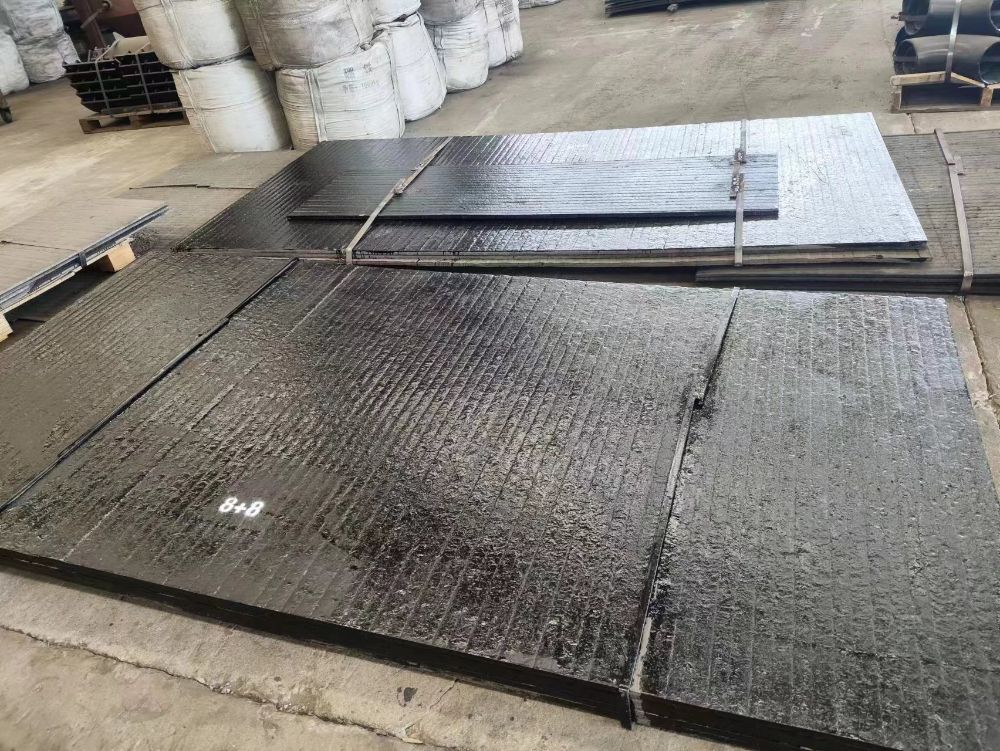
The industrial steel sector is witnessing a transformative shift with the integration of cutting-edge technologies. Advanced corrosion-resistant coatings, such as nanocomposite layers and smart polymer coatings, are now being applied to steel surfaces, offering superior protection against harsh environmental conditions. These innovations not only extend the lifespan of steel structures but also reduce maintenance costs, making them ideal for applications in marine environments and chemical plants. By leveraging these technologies, industries can significantly enhance the durability and reliability of their steel assets.
Another groundbreaking development is the use of additive manufacturing or 3D printing in steel production. This technology allows for precise control over material composition and microstructure, enabling the creation of steel components with tailored properties for enhanced durability. For instance, 3D-printed steel parts can be designed with internal reinforcement and optimized geometries that resist stress and wear better than traditionally manufactured ones. This approach is revolutionizing sectors like aerospace and automotive, where lightweight yet durable steel components are in high demand.
Furthermore, real-time monitoring systems powered by IoT sensors and AI-driven analytics are playing a crucial role in improving steel durability. These systems continuously track factors like temperature, load, and corrosion rates in industrial steel structures, providing actionable insights for predictive maintenance. By detecting potential issues early, companies can prevent failures and extend the service life of their steel infrastructure. This proactive strategy not only boosts safety but also offers significant economic benefits by minimizing downtime and repair costs.
Applications and Use Cases Across Key Industries
In today's fast-paced digital landscape, the practical applications of technology have become integral to driving innovation and efficiency across diverse sectors. From healthcare to finance, industries are leveraging advanced solutions to solve real-world challenges. For instance, in the healthcare sector, predictive analytics are being used to personalize patient care and improve outcomes, while in manufacturing, Internet of Things (IoT) devices streamline production lines, reducing downtime and boosting productivity. This approach not only enhances operations but also opens up new avenues for growth and competitiveness.
Beyond traditional fields, emerging industries like renewable energy are harnessing these tools to optimize resource management and sustainability efforts. In retail, data-driven insights help businesses tailor customer experiences, fostering loyalty in an increasingly crowded market. Meanwhile, the education sector benefits from adaptive learning platforms that cater to individual student needs, transforming how knowledge is imparted. Such varied use cases highlight the versatility of modern technologies, demonstrating their capacity to adapt to specific industry demands and drive meaningful change.
Ultimately, the cross-industry adoption of these applications fosters collaboration and innovation, allowing organizations to stay ahead of trends and respond swiftly to market shifts. By focusing on practical implementations, companies can unlock value, improve decision-making processes, and build resilient frameworks that support long-term success in an ever-evolving global economy.
Comparing Quality and Performance Standards
When you're in the market for a new product or service, it's tempting to just go with the cheapest option—but savvy consumers know that's rarely the best approach. The real game-changer is digging into how different offerings stack up when it comes to quality and performance standards. Think about it: one brand might boast top-tier durability and efficiency ratings, while another could cut corners to hit a lower price point. That's why a side-by-side comparison isn't just helpful—it's essential for making an informed choice that actually lasts and delivers on its promises.
To really nail this comparison, start by defining what 'quality' and 'performance' mean in your specific context. For instance, if you're shopping for a smartphone, quality might cover build materials and software stability, whereas performance could focus on processing speed and camera capabilities. Look beyond marketing fluff and seek out official certifications or independent test results—these are goldmines for objective insights. By setting clear benchmarks upfront, you're less likely to get swayed by flashy ads and more likely to find a product that meets your real-world needs without compromise.
Moreover, don't overlook the long-term impacts of these standards. A product that aces quality tests might cost more upfront but save you money on repairs or replacements down the line, while a high-performance item could boost your productivity or satisfaction daily. In industries like healthcare or automotive, rigorous standards aren't just nice-to-haves—they're critical for safety and reliability. So, next time you're comparing options, make it a habit to weigh these factors; it’s a small step that can lead to smarter investments and better outcomes, whether you're upgrading your tech or choosing a service provider.
Future Trends in Wear Resistant Material Development
The development of wear resistant materials is pivoting towards smart, responsive solutions that adapt to changing environmental conditions. Imagine surfaces that self-heal minor scratches or adjust their hardness in real-time based on applied stress, a leap beyond traditional static coatings. Innovations like shape-memory alloys and phase-change composites enable materials to 'learn' from wear patterns, enhancing longevity in sectors from aerospace to consumer electronics.
Sustainability is reshaping material choices, with a surge in bio-based and recycled composites that don't compromise on durability. Researchers are exploring wear resistant polymers derived from natural sources, such as plant fibers or biowaste, which offer reduced carbon footprints. This eco-conscious shift is driving adoption in industries like automotive and construction, where green credentials increasingly influence procurement decisions.
Integration with digital technologies, such as IoT sensors embedded within materials, will revolutionize wear monitoring and predictive maintenance. These embedded systems can transmit real-time data on material degradation, allowing for proactive replacements and minimizing downtime. As additive manufacturing advances, we'll see customized, on-demand production of wear resistant parts, tailored to specific applications—from mining equipment to medical implants—fostering unparalleled efficiency and innovation.
How to Choose the Right Steel Plate for Your Needs
Picking the ideal steel plate might seem simple, but it actually involves a bit of nuance. It's not just about grabbing the thickest option; you've got to consider factors like the specific environment it'll face—think moisture, chemicals, or extreme temperatures—and the mechanical demands, such as stress or impact forces. For instance, if you're building something outdoors that needs to weather the elements, you'd skip a basic carbon steel in favor of a corrosion-resistant variety. By starting with a clear understanding of your project's unique conditions, you can narrow down choices effectively, avoiding common pitfalls like overspending or compromising durability.
Once you've nailed down the basics, diving into the different types of steel plates can make all the difference. High-strength low-alloy (HSLA) steel, for example, offers a great balance of toughness and weight, perfect for automotive or construction applications where efficiency matters. On the other hand, abrasion-resistant steel is a go-to for industries like mining, where surfaces take a beating. Don't just rely on spec sheets though—test samples or consult with suppliers to see how materials perform under real-world stresses. This hands-on approach helps ensure you're not just picking a plate from a list but selecting one that truly meets your operational needs.
Beyond material type, the details like thickness, size, and finish can significantly impact your project's success. A thicker plate might offer more strength, but it could also add unnecessary weight and cost if your design doesn't require it. Consider custom cutting or pre-processing options, too; some suppliers offer tailored solutions that save time on-site. By weighing these practical aspects alongside the technical specs, you'll end up with a steel plate that not only fits the job but enhances overall performance, making the selection process a strategic step rather than a routine task.
FAQ
Industries such as mining, construction, agriculture, and heavy machinery manufacturing commonly use wear-resistant steel plates for durability in high-impact applications.
Wear-resistant steel plates are alloyed with elements like carbon, manganese, and chromium to enhance hardness and abrasion resistance, unlike standard steel which may wear faster under similar conditions.
Key factors include the specific wear environment, required hardness levels, impact resistance, temperature conditions, and cost-effectiveness for the intended application.
Yes, top companies often offer customization in terms of thickness, size, shape, and alloy composition to meet unique project requirements and optimize performance.
Regular inspections for signs of wear, proper cleaning to prevent corrosion, and timely repairs or replacements in high-wear areas can extend the lifespan of these plates.
Advanced manufacturing techniques like heat treatment, quenching, and tempering are crucial for achieving uniform hardness and microstructure, ensuring consistent quality and durability.
By reducing the need for frequent replacements, these plates can lower material waste and energy consumption, contributing to more sustainable industrial operations.
Innovations include the use of advanced coatings, nanotechnology for enhanced surface properties, and improved alloy designs to increase wear resistance and reduce weight.
Conclusion
Wear-resistant steel plates play a pivotal role across heavy-duty industries, and top manufacturers lead the market by specializing in high-durability materials. These leading companies focus on producing plates that withstand extreme conditions, catering to industries like mining, construction, and agriculture. By integrating advanced innovations in metallurgy and processing, these firms deliver plates with enhanced hardness and toughness, ensuring long-lasting performance. As these manufacturers evolve, their contributions are critical for industries requiring reliable and robust solutions to minimize downtime and maintenance costs.
Applications of wear-resistant plates span diverse sectors, from material handling to machinery components, where durability is paramount. Comparing quality and performance standards helps users select the right plate based on factors like abrasion resistance and impact strength. Future trends point toward eco-friendly materials and smart manufacturing techniques, emphasizing sustainability and efficiency. Ultimately, choosing the right steel plate involves assessing operational needs and material specifications, ensuring optimal solutions for industrial challenges.
Contact Us
Contact Person: Zoe Liang
Email: [email protected]
Tel/WhatsApp: 86 189 2128 6299
Website: https://www.baowuchina.com