
Top Waxed Corrugated Boxes Recommended for Secure and Durable Shipping
2026-07-27
Shipping fragile or high-value items demands more than just a sturdy box—it requires packaging that stands up to moisture, rough handling, and the unexpected. That’s where waxed corrugated boxes come in, combining the strength of corrugated fiberboard with a water-resistant wax coating for unbeatable protection. In this guide, we’ll walk you through the top picks that deliver secure, durable performance every time. With years of expertise, ShiTeng Packaging knows what it takes to keep your shipments safe, from reinforced corners to eco-friendly wax options. Ready to discover the boxes that leading businesses trust? Let’s dive in.
The Coating That Keeps Your Boxes Intact, Trip After Trip
Every time a box is loaded, unloaded, stacked, or shifted during transit, its surface takes a beating. Scuffs, moisture, and rough handling can quickly turn a sturdy carton into a crumpled mess. That's where a high-performance protective coating makes all the difference. It forms a tough, invisible barrier that shields against abrasion, dampness, and the everyday wear that shortens a box's usable life. The result is packaging that stays crisp, clean, and structurally sound far longer than you'd expect.
Not all coatings are created equal. The right formulation bonds at a molecular level, reinforcing fibers without making the cardboard stiff or brittle. This flexibility is crucial: boxes need to absorb impacts and vibrations without cracking. Advanced coatings also repel water and resist oil, preventing the soggy breakdown that ruins contents and weakens stacking strength. Whether it's humid climates, accidental spills, or condensation from temperature changes, the coating acts as a reliable shield.
In real-world use, this translates to fewer replacements and less waste. A box that survives multiple cycles looks better, protects your product more consistently, and reduces the hassle of reordering packaging. From e-commerce shipments that bounce through distribution networks to reusable storage solutions that get opened and closed constantly, a durable coating keeps boxes functional trip after trip without the usual signs of fatigue.
Defying Damp Conditions: Where Waxed Cardboard Excels
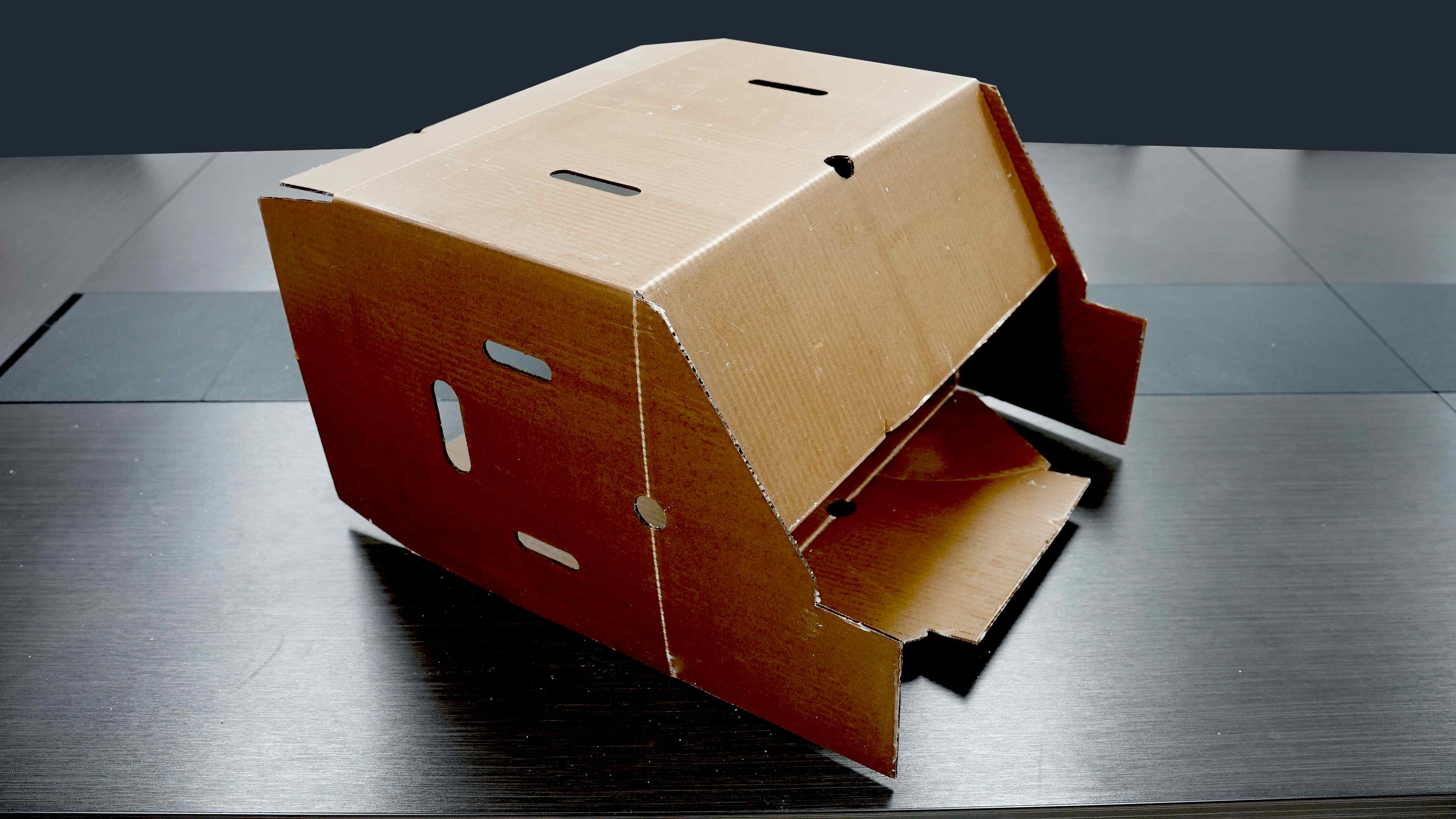
A waxy shield transforms ordinary cardboard into a moisture-defying workhorse. While uncoated paper fibers greedily soak up water and turn to mush, the wax penetrates deep into the board, creating a hydrophobic network that shrugs off rain, condensation, and direct splashes. This isn't just a surface slick—the wax locks out humidity on a structural level, keeping corners crisp and stacking strength intact even when other materials would have long surrendered to the damp.
Think of chilled produce packed dripping wet, or a coastal warehouse where salt-laden air clings to everything. Waxed cardboard stays composed, refusing to buckle under cold-chain demands. Ice-packed seafood shipments? No sweat. Bulging containers hauled through morning drizzle on an open dock? The wax finish prevents soggy collapse and the dreaded box blowout that plagues untreated alternatives. It’s the go-to for situations where moisture is part of the daily routine, not an occasional worry.
Beyond simple repellency, the coating adds a subtle flexibility that resists the tearing common in waterlogged board. A crate of condensation-heavy beverages rides smoothly from truck to shelf without the fibrous fraying that compromises appearance and containment. In greenhouses, nurseries, or any setting with near-constant wet contact, waxed cardboard quietly outperforms—no plastic wrapping required, no structural failure mid-transit. It’s practical defiance of a humid world, one shipment at a time.
Supporting Heavy Loads Without Buckling Under Pressure
Load-bearing structures often face immense strain, yet their ability to remain upright hinges on a careful balance of material strength and geometric design. When pressure mounts, weak points can appear where least expected, causing deflection or outright collapse. Engineers tackle this by analyzing stress distribution and reinforcing critical areas, ensuring that even under extreme weight, the structure holds its form without yielding.
One proven method involves using arched or dome-like shapes that naturally divert compression forces outward, minimizing stress on any single point. Combining high-strength alloys with smart bracing also spreads the load more evenly, preventing localized buckling. In modern construction, layers of composite materials provide an extra margin of safety, allowing beams and columns to endure far more than their raw material specifications would suggest.
Real-world tests often push prototypes to their breaking point, revealing hidden vulnerabilities long before a full-scale build begins. Iterative refinements—from adjusting wall thickness to altering rib patterns—can dramatically increase load tolerance. Ultimately, the secret lies not just in brute strength, but in a choreographed response to forces that might otherwise tear a structure apart.
The Savings That Come With Reusable Waxed Boxes
Switching to reusable waxed boxes isn’t just an environmental move—it’s a direct line to lower operational costs. Unlike single-use corrugated cardboard that gets crushed, soggy, and tossed after one trip, waxed boxes hold their shape and integrity through dozens of cycles. That durability slashes the need for constant repurchasing and cuts down on surprise expenses tied to box failure, like product damage or repacking labor.
Logistics teams quickly notice the ripple effect. Fewer deliveries of flat-packed boxes mean reduced inbound freight spending, less warehouse clutter, and a lighter workload for recycling or waste hauling. There’s also the subtle saving of time: workers aren’t breaking down mounds of cardboard or nursing paper cuts from tired flaps. Over a year, these frugal gains stack up into a measurable margin boost without any complicated process overhaul.
Beyond the immediate budget line, reusable waxed boxes help avoid the hidden tax of inconsistency. Standard cardboard can vary wildly in quality, leading to bent corners or crushed vents that compromise temperature-sensitive items. Waxed boxes offer a predictable, robust container every time, so cold chain shipments reach their destination intact—eliminating chargebacks, reputation hits, and the quiet cost of customer dissatisfaction.
Freshness Locked In: Ideal for Perishable Goods
When dealing with delicate items that wilt, melt, or lose vitality within hours, the right packaging does more than simply contain—it actively preserves. Our vacuum-sealed, temperature-resistant liners create a stable microenvironment that slows degradation, locking in the crispness of leafy greens, the firmness of fresh seafood, and the bloom of ripe berries. Miniature frozen gel packs slip seamlessly into the design, maintaining a consistent chill without adding bulk or awkward weight, so your goods arrive just as vibrant as when they were packed.
Making the Switch: Why Businesses Are Moving to Waxed
The shift toward waxed materials isn't just a trend—it reflects a deeper rethinking of product lifecycle and performance. More companies are recognizing that traditional coatings often fall short when it comes to durability and environmental impact. Waxed surfaces, by contrast, offer a unique combination of water resistance and breathability that synthetic alternatives simply can't match. This means products stay protected from moisture while reducing the risk of trapped condensation, a common issue with plastic-based barriers.
Another factor driving the switch is the growing pressure from both regulators and consumers to cut down on single-use plastics and non-recyclable laminates. Waxed paper, board, and textiles are naturally compostable and can often be processed through standard waste streams without special facilities. For brands, this translates into a cleaner end-of-life story that resonates with eco-conscious buyers and helps avoid the backlash associated with plastic waste. Many businesses are finding that the switch also simplifies their supply chain, as wax coatings can be applied using less complex machinery and at lower energy costs.
Beyond sustainability, there's a tactile and visual appeal that waxed finishes bring to the table. The subtle sheen and smooth feel elevate the unboxing experience, something e-commerce companies in particular are keen to leverage. It’s a small change that communicates quality and care without relying on flashy designs or excessive packaging. As more case studies emerge showing cost neutrality or even savings over the long term, the business case for waxed materials only gets stronger.
FAQ
The wax coating adds a layer of moisture resistance that plain cardboard can’t offer, so contents stay dry even in humid or wet conditions. Combined with the corrugated structure's natural strength, these boxes handle rough handling without crumbling, making them a reliable choice for long-haul deliveries.
The corrugated layers absorb shocks and vibrations, while the wax reinforces the box’s rigidity, preventing it from collapsing under pressure. This dual protection minimizes movement inside and shields against impacts that could damage fragile goods.
They aren’t fully waterproof but offer strong moisture resistance. The wax coating repels water splashes, spills, and high humidity, so the box won’t weaken or disintegrate like regular cardboard. For submersion or heavy rain coverage, additional liners or wraps are still a good idea.
Absolutely. The fluted corrugated design distributes weight evenly, and the wax treatment prevents softening that happens when untreated boxes absorb moisture. For extra-heavy loads, double-wall versions are available that hold up against crushing and tearing even under substantial weight.
Produce distributors, meat and seafood suppliers, and florists depend on them because of the constant exposure to moisture and cold storage. Electronics and automotive parts suppliers also use them to guard against humidity damage in transit and warehousing.
Measure your item’s dimensions and add at least an inch on each side for cushioning material. Consider the stacking pattern and whether you’ll use dividers or inserts. Oversizing can lead to shifting, while undersizing risks box failure, so a snug fit with protective padding is ideal.
They’re made from renewable resources and are fully recyclable even with the wax coating in many facilities. Some manufacturers use biodegradable wax blends, so you get the performance benefits without long-term waste issues, appealing to businesses aiming for greener packaging solutions.
Check for consistent coating quality, options for custom printing and sizing, and reliable stock availability. It helps to ask about their material sources and if they offer samples so you can test moisture resistance and durability before committing to a bulk order.
Conclusion
Waxed corrugated boxes have become the go-to solution for businesses that prioritize secure and durable shipping, especially in challenging environments. The secret lies in their protective coating, which reinforces the box structure and prevents it from breaking down during repeated use. This wax layer acts as a shield, keeping contents safe from moisture, humidity, and sudden temperature changes—a critical advantage when transporting goods through damp or unpredictable conditions. The reinforcement also means these boxes can support significantly heavier loads without buckling, making them a reliable choice for industries that deal with dense or bulky products. From fresh produce to industrial components, the combination of strength and moisture resistance ensures items arrive in the same condition they were packed, trip after trip.
Beyond performance, the shift toward waxed boxes also brings practical financial benefits. Since they are built to be reused, companies cut down on constant repurchasing and reduce packaging waste, aligning with both cost-conscious and sustainability goals. This reusability is particularly valuable in closed-loop supply chains, where boxes circulate between suppliers and retailers. For perishable goods, the wax coating locks in freshness by minimizing airflow and exposure to external elements, helping to extend shelf life without the need for additional preservatives. It's no surprise that more businesses are making the switch—not only for the immediate protective qualities but for the long-term savings and operational efficiency. In a market where packaging can make or break customer satisfaction, waxed corrugated boxes offer a dependable, multipurpose solution that adapts to evolving shipping demands.
Contact Us
Contact Person: Mr. Ge Man
Email: [email protected]
Tel/WhatsApp: 8613710506492
Website: https://www.shitengzx.com