

Top Corn Milling Machines for Efficient Grain Processing
2026-05-22
When it comes to grain processing, efficiency isn't just a goal—it's a necessity. Modern mills demand equipment that balances throughput with precision, and choosing the right corn milling machine can make all the difference. Whether you're upgrading an existing line or building from scratch, understanding what sets top-tier machinery apart is key. At PINGLE, we've seen firsthand how the right technology transforms operations, reducing waste and boosting consistency. In this post, we’ll explore the features that define the best corn milling machines on the market, from durability to intelligent design, and why they're indispensable for staying competitive in today’s fast-paced grain industry.
Unpacking the Mechanics of Modern Corn Mills
Peeling back the layers of a modern corn mill reveals a finely tuned interplay of force and precision. At its heart, the grinding mechanism—often a set of hardened steel rollers or meticulously patterned millstones—dictates the final texture, from coarse grits to silky flour. Corn kernels first pass through a cleaning phase where vibrating screens and air currents strip away dust and husk fragments, ensuring nothing contaminates the grind. Then comes tempering, a step where moisture is carefully added to toughen the bran and soften the endosperm, making the separation cleaner and the milling more efficient.
The kernel’s journey continues into the break system, where corrugated rollers split it open and scrape out the starchy interior. These rollers rotate at different speeds, creating a shear force that gently peels away the endosperm without pulverizing the germ. What emerges is a mixture of chunks and particles that moves on to sizing and reduction rollers, their surfaces progressively smoother to grind the stock finer with each pass. A network of sifters, dressed with precise mesh screens, sorts the output by particle size and sends the overs back for another round—a loop that repeats until the desired consistency is achieved.
What sets modern mills apart is the integration of automation and real-time monitoring. Load cells measure incoming grain, while sensors track temperature and moisture at critical points to prevent overheating and preserve flavor. Advanced control systems adjust roller gaps and feed rates on the fly, responding to fluctuations in kernel hardness or ambient humidity. This blend of mechanical evolution and smart technology not only boosts yield but also lets millers dial in textures and nutritional profiles that were nearly impossible to achieve with traditional methods, reshaping how corn is transformed into everything from breakfast bowls to bakery staples.
How to Match Mill Capacity with Production Needs
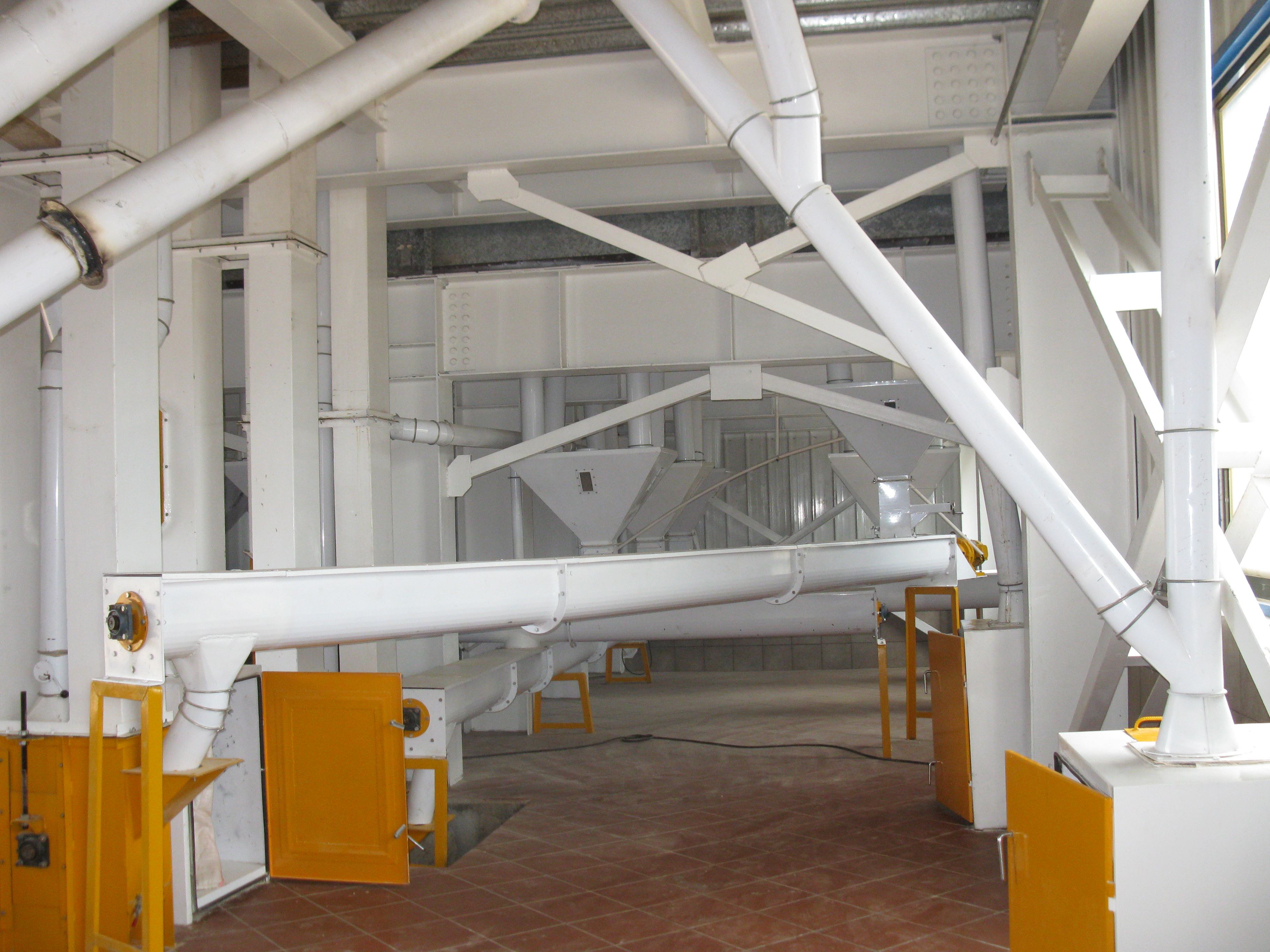
Matching mill capacity to production needs starts with a clear-eyed assessment of both current output demands and the mill's true throughput under real-world conditions. Too often, figures on paper don't account for downtime, material variations, or shift patterns. By gathering data from the shop floor—actual run rates, changeover times, and unplanned stops—you can build a capacity model that reflects reality rather than wishful thinking. This granular view lets you spot bottlenecks and overcapacity before they become costly problems.
Once you have a reliable baseline, the next step is to map that capacity against your production forecast—not just for this month, but over seasonal peaks and long-term growth. It's not enough to simply compare tons per hour; you need to factor in product mix complexity, maintenance windows, and labor availability. A mill that easily handles one grade may struggle with another, so scenario planning becomes essential. By running different demand profiles through your model, you can identify where flexible shifts, outsourcing, or targeted capital upgrades make economic sense.
Finally, remember that matching capacity is an ongoing process, not a one-time calculation. Production needs shift, equipment ages, and market demands evolve. Building in regular reviews—quarterly or even monthly—keeps the mill responsive. Encourage operators and supervisors to flag early warnings of mismatch, such as recurring overtime or idle time. When the entire team understands how their daily decisions affect the balance, it’s easier to make small, proactive adjustments that keep capacity and demand in sync without disruptive overhauls.
The Hidden Costs of Inefficient Grinding
Grinding operations might seem straightforward, but when inefficiencies creep in, the financial drain is often discreet and persistent. Excessive wheel wear, for instance, quietly inflates consumable costs beyond budget forecasts. Operators may overlook frequent dressing cycles or premature wheel breakdowns, yet over a fiscal year, these seemingly minor losses accumulate into a sizable line item that erodes profitability without drawing immediate attention.
Beyond the visible expense of materials, there's a substantial toll on time and throughput. An underperforming grinding process leads to slower cycle times and duplicated work, stretching production schedules and delaying downstream operations. Opportunities to take on additional orders slip away, not because the capacity isn't there on paper, but because the process lacks edge. The real sting is that these inefficiencies often go unmeasured, blending into routine downtime discussions rather than being flagged as actionable losses.
Then there's the impact on quality and rework, which rarely stays contained. Parts leaving a sluggish or inconsistent grinding cell might meet dimensional specs on the surface but carry subsurface stresses or micro-cracks that only surface later. Warranty claims, customer returns, or in-field failures can trace back to that grinding step, multiplying the initial oversight into a brand reputation issue. Energy inefficiency adds another layer—older machines or suboptimal parameters guzzle power without delivering proportional output, quietly hiking utility bills while regulatory pressures around sustainability tighten.
Innovative Features That Reduce Downtime
Downtime can cripple operations, but smarter design choices are shifting the balance. Instead of relying on routine checkups, systems now self-monitor and flag issues before they escalate. Think of it as a built-in sixth sense—components that predict wear and tear, then alert teams with pinpoint accuracy. This isn't about flashy add-ons; it's about weaving resilience directly into the framework, so problems are caught in their infancy rather than during a full-blown failure.
Real-time adaptability is another game-changer. When a potential bottleneck emerges, these features reroute tasks or adjust parameters on the fly, keeping workflows humming along. It's akin to a river finding a new path around a fallen tree—seamless and intuitive. The result is a dramatic dip in unplanned interruptions, without operators having to constantly intervene. What once required manual troubleshooting now happens automatically, often without anyone noticing until they check the logs and see a crisis averted.
Then there's the power of modular design. Instead of shutting down an entire line for a single faulty part, swappable modules let technicians replace only what's broken, often while the rest of the system stays live. It's a practical shift that turns hours of lost productivity into minutes of targeted maintenance. By combining these layers—predictive intelligence, dynamic response, and modular agility—organizations aren't just trimming downtime; they're redefining what it means to stay operational in a fast-paced world.
Choosing Between Hammer and Roller Mills
The first thing to dig into is how these machines actually break down material. Hammer mills rely on rapid impact—a series of hammers attached to a spinning rotor smash the feed into smaller pieces against a screen. It’s a brute-force approach that works well on fibrous or friable materials. Roller mills, on the other hand, crush grain between two or more cylindrical rolls, effectively squeezing it apart. This compression method generates far less dust and tends to preserve particle integrity a bit better. If your end product demands a specific texture or you’re dealing with ingredients that shatter easily, the fundamental mechanism matters more than anything else.
Operational costs and upkeep often tip the balance. Hammer mills are typically simpler machines with a lower upfront price tag, but they can be voracious energy consumers, especially when grinding at high speeds or fine settings. The hammers and screens wear out quickly under heavy use, so frequent replacements are part of the routine. Roller mills are more expensive initially and require precise gap adjustments, but they shine in long-term efficiency—they use less power per ton processed and their rolls last for ages before needing re-coring. If you’re running a high-volume operation where downtime and energy bills eat into margins, the trade-offs become pretty clear.
Then there’s the actual task at hand. Need to grind mixed rations with a lot of hay or moist corn? A hammer mill’s ability to handle inconsistent, tough stuff without clogging up makes it the pragmatic choice. For dedicated grain flaking or producing uniform particle sizes in something like wheat flour or livestock feed pellets, roller mills deliver an unmatched consistency. Some mills even use a hybrid approach—a hammer mill for coarse grinding followed by rollers for finishing—proving that sometimes the best decision isn’t either/or, but where each tool fits in your process.
Maintenance Tips for Long-Term Performance
Consistent cleaning goes a long way in preserving any system’s reliability. Dust and debris might seem harmless at first, but they slowly choke airflows and strain moving parts, leading to premature wear. Setting a routine—perhaps once a month—keeps these small nuisances from snowballing into costly repairs. Use gentle, non-abrasive tools and always power down before you start; that extra minute of precaution often prevents accidental damage nobody thinks about.
Software and firmware updates are easy to ignore, yet they quietly fix bugs, patch security holes, and sometimes squeeze out a bit more efficiency. Instead of waiting for a problem to prompt action, check for updates on a regular schedule. If the device supports automatic updates, turn them on—just be sure to verify compatibility if you have a custom setup. A little digital housekeeping keeps things humming without much effort.
Environmental factors matter more than people assume. Humidity, temperature extremes, and power fluctuations can gradually degrade components even when the equipment isn't running. Placing gear in a stable, well-ventilated spot, using surge protectors, and occasionally reseating connections help avoid mysterious glitches that often trace back to overlooked ambient conditions. Think of it as giving your equipment a comfortable home—it responds with longer, trouble-free service.
FAQ
Compact hammer mills and small roller mills work well for smaller operations. They handle modest volumes without taking up much space and are easier to maintain.
They use precision grinding mechanisms and automated controls to reduce waste and speed up throughput. Advanced designs also minimize energy consumption per ton of grain processed.
Focus on hardened steel grinding plates, reliable motors, and easy access for cleaning. Vibration-dampening frames and dust collection systems also extend machine life and keep operations smooth.
Yes, many commercial mills can handle corn, wheat, barley, and sorghum with simple adjustments. This flexibility helps processors switch between grains without needing separate equipment.
Regular cleaning of grinding chambers, lubrication of bearings, and inspection of screens and hammers are essential. Scheduling downtime for these tasks prevents unexpected breakdowns and maintains output quality.
Roller mills produce a more uniform particle size and generate less heat, which preserves nutrients. Hammer mills are more versatile and can handle a wider range of materials but may produce more fines.
Always use protective guards, avoid loose clothing, and never bypass safety interlocks. Proper training on emergency stops and regular checks for overheating are also critical to prevent accidents.
Conclusion
Modern corn milling machines have evolved into sophisticated systems where mechanical precision directly influences processing efficiency. Unpacking the mechanics reveals that advanced grinding chambers and precise gap adjustments are now standard, allowing producers to tailor particle size distributions with remarkable consistency. However, matching mill capacity to actual production needs is equally critical—an oversized mill wastes energy and increases idle time, while an undersized unit creates bottlenecks that elevate per-ton processing costs. The hidden costs of inefficient grinding extend beyond energy bills: inconsistent particle size can lead to poor feed conversion in livestock or variation in food product quality, and accelerated wear on components adds maintenance burdens that quietly erode profitability.
To combat downtime, innovative features such as automated roll positioning, real-time load monitoring, and tool-free screen changes have become game changers, enabling operators to maintain throughput with minimal interruptions. When choosing between hammer and roller mills, the decision hinges on the raw material condition and the desired end product: hammer mills excel at handling fibrous or high-moisture corn with a coarser output, while roller mills deliver uniform, fine grinds ideal for cooking applications with lower energy consumption. Regardless of the type, consistent maintenance—including routine inspection of hammers or rolls, lubrication of bearings, and alignment checks—prolongs equipment life and sustains peak performance, ensuring that the top corn milling machines remain reliable workhorses in any grain processing operation.
Contact Us
Contact Person: Jiakuo Wu
Email: [email protected]
Tel/WhatsApp: +86-13011566087
Website: https://www.pinglemachine.com