

Top 10 Fire Retardant Clothing Picks for Ultimate Protection
2026-08-04
When it comes to workplace safety, fire hazards demand more than just caution—they demand the right gear. Flame-resistant clothing isn't a luxury; it's a lifeline. But with so many options flooding the market, how do you know which ones truly deliver ultimate protection? At DROTEX, we understand that every layer matters when seconds count. In this list, we've curated the top 10 fire retardant clothing picks that combine cutting-edge technology with real-world durability, so you can focus on the job, not the risk.
Why Fire Retardant Workwear Isn't Just for Firefighters
When most people think of flame-resistant clothing, they picture firefighters charging into burning buildings. But the need for fire retardant workwear extends far beyond the fire service. Industries like oil and gas, electrical utilities, and manufacturing expose workers to flash fires, arc flashes, and combustible dust explosions daily. Without proper protection, a split-second incident can lead to life-altering burns or even death.
What makes this gear different from standard uniforms is its ability to self-extinguish once the heat source is removed. Unlike regular fabrics that can melt onto skin or continue burning, fire retardant materials are engineered to starve the flames of oxygen. This gives workers precious seconds to escape and reduces injury severity. It’s not just about surviving a fire—it’s about walking away with minimal harm.
Many companies mistakenly assume that basic cotton or polyester blends offer enough protection, but these can be more dangerous than wearing nothing at all when exposed to extreme heat. Investing in certified fire retardant workwear is a quiet commitment to safety that speaks volumes on the job site. It tells every worker that their well-being matters, even when the danger isn't visible.
The Fabric Science Behind True Flame Resistance
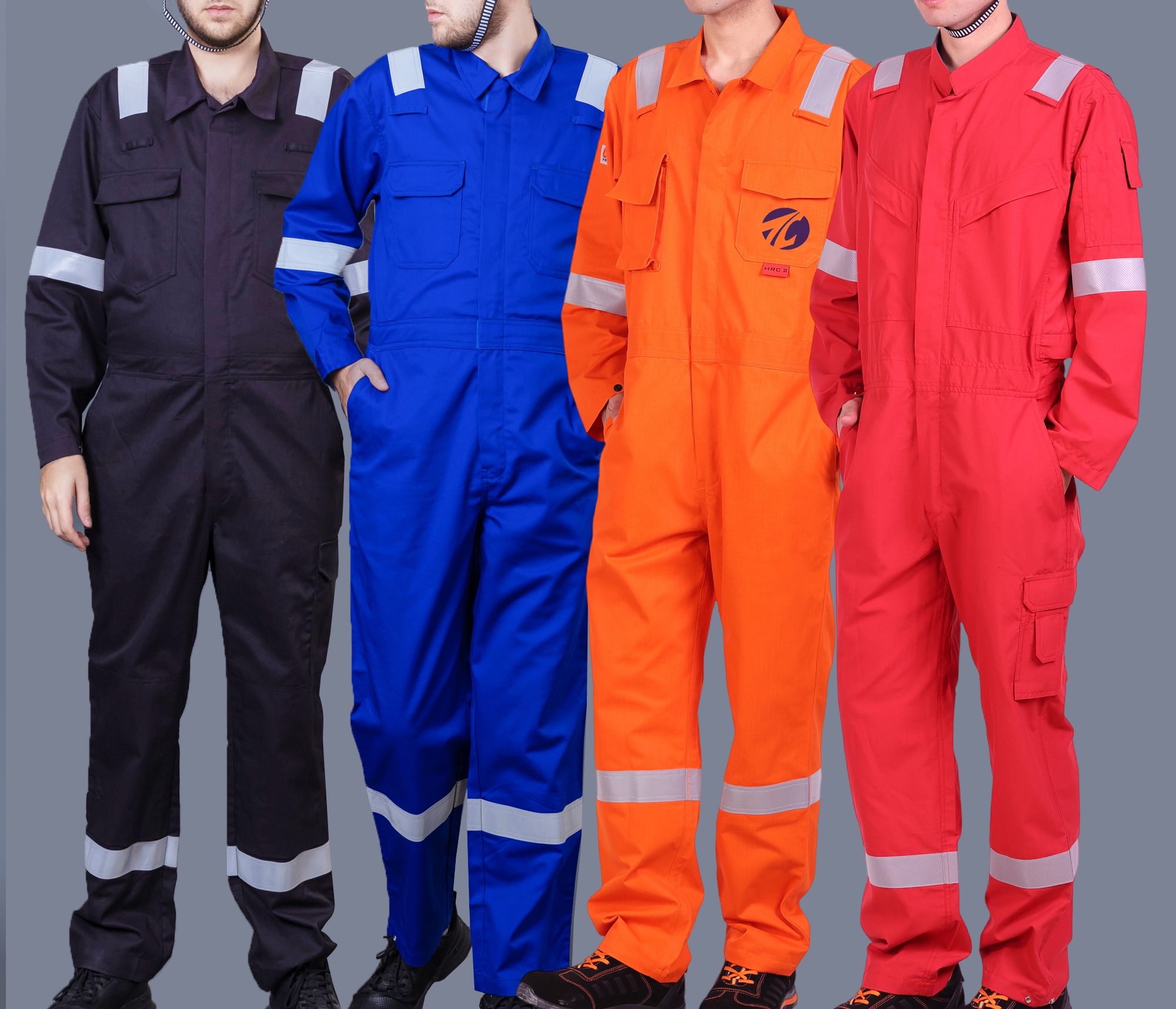
Flame resistance in textiles goes far beyond a simple surface coating—it’s rooted in material science at the molecular level. True flame resistance means the fabric inherently resists ignition, self-extinguishes when the flame source is removed, and minimizes heat release. This involves engineering the polymer chains themselves, often by incorporating aromatic rings or halogen-free phosphorus compounds that alter the thermal degradation pathway. When exposed to heat, these structures encourage char formation rather than producing flammable gases, effectively creating a protective barrier that shields the underlying material.
The behavior of a fiber in a fire is determined by its chemical backbone and how it decomposes. For instance, aramid fibers like Nomex rely on strong hydrogen bonds and rigid molecular chains that do not easily break down, while modacrylic fibers release non-combustible gases that dilute oxygen around the flame. In contrast, treated cotton fabrics depend on additives that swell under heat, insulating the fabric and promoting cross-linking to form a stable char. The key is managing the thermochemical processes—pyrolysis, oxidation, and char oxidation—so that the solid residue remains coherent and limits heat transfer.
Modern advancements have pushed beyond traditional additive methods toward inherently flame-resistant polymers and intumescent systems. These materials are designed so that the flame-retardant mechanism is an integral part of the fiber’s life cycle, not something that washes out over time. By tailoring the degree of crystallinity, selecting comonomers with high thermal stability, and leveraging synergistic effects between phosphorus and nitrogen, scientists create textiles that maintain their protective qualities even after repeated laundering and extended use. This deep understanding of polymer physics and chemistry is what separates true flame resistance from temporary treatments.
From Arc Flash to Molten Metal: Specialized Protection Explained
When most people think about workplace hazards in heavy industry, they imagine sparks, heat, and heavy machinery. But two of the most serious—and frequently misunderstood—dangers are arc flash and molten metal splash. They may look similar at a glance, but the way they injure workers, and what it takes to guard against them, is fundamentally different. An arc flash is an explosive release of energy caused by an electrical fault, generating temperatures hotter than the surface of the sun in a fraction of a second. It doesn’t just burn; the pressure wave can throw workers across a room. Molten metal, on the other hand, is a thermal hazard that clings, penetrates, and solidifies on contact, often found in foundries, steel mills, and welding operations.
The protective gear for each hazard is engineered to address these distinct threats, but there’s no one-size-fits-all solution. Arc-rated clothing is designed to self-extinguish and resist breaking open, shielding the wearer from the thermal energy of an arc blast without melting onto the skin. It’s tested to standards like ASTM F1959 and rated in calories per square centimeter. For molten metal, the focus shifts to shedding: fabrics must allow splashes to roll off without sticking, burning through, or leaving behind charred residue that can cause deeper burns. You’ll see materials like treated wool or specialized inherently flame-resistant blends that don’t trap heat against the body. Choosing the wrong type—using arc flash gear in a steel pour, or vice versa—can turn a minor incident into a catastrophic injury. That’s why the selection process has to start with a thorough hazard assessment, not a catalog comparison.
What’s often overlooked is how these protective systems degrade over time, and how care routines differ. Arc flash suits may look pristine but lose their effectiveness after repeated laundering or chemical exposure. Molten metal protective wear, by contrast, can be compromised by tiny aluminum or iron particles that embed in the fabric and later ignite. Inspections aren’t just about checking for rips; they’re about understanding the material’s integrity in the face of very specific threats. Safety managers who get this right don’t just check boxes—they create layers of defense, combining proper garments with engineering controls and training that actually sticks. Because when every second counts, the difference between a close call and a tragedy is often in the details most people never see.
Comfort Meets Safety: How Modern FR Clothing Breaks the Itch Barrier
For decades, flame-resistant (FR) clothing carried a reputation for being stiff, heavy, and unbearably itchy—a necessary discomfort for workplace safety. The protective fabrics often felt like sandpaper against the skin, leaving workers counting down the minutes until they could change. But a quiet revolution in textile engineering has transformed these garments, proving that you don't have to sacrifice comfort for protection. Today's FR workwear feels more like your favorite broken-in shirt than a suit of armor, blending high-performance safety with all-day wearability.
The secret lies in advanced fiber blends and moisture-wicking technologies that were once reserved for premium athletic gear. Manufacturers now weave soft, breathable materials like modacrylic and treated cotton into lightweight, flexible fabrics that move with the body. These innovations actively pull sweat away from the skin, reducing the clammy friction that traditionally caused irritation. Meanwhile, seamless construction and tagless labels eliminate the small, overlooked details that used to dig into your skin after hours on the job. The result is a new generation of FR clothing that feels smooth against the skin, even during extended shifts.
Beyond the physical feel, modern FR garments are designed with a real understanding of how people actually work. Stretch panels, articulated knees, and gusseted sleeves allow a full range of motion without bunching or chafing. Breathable mesh vents in key areas help regulate body temperature, so you stay cool when the heat is on. It's a thoughtful, human-centered approach that turns protective gear into an asset rather than a burden. When comfort and safety finally meet, workers can focus on the task at hand—not on what they're wearing.
Real-World Testing: How We Evaluated Each Garment
Instead of relying solely on lab measurements or controlled environments, we took these garments into the messy, unpredictable flow of daily life. Each piece was worn by multiple team members across different climates and routines—from humid morning commutes to cool evening walks, from desk work to unexpected downpours. We tracked everything: how the fabric reacted to sweat and friction, whether pockets sagged after holding a phone for hours, and if seams began to twist or irritate after repeated wear. This hands-on, day-in, day-out approach gave us insights no spec sheet could offer.
Beyond comfort, we pushed durability through real challenges. Jackets faced branches on trail runs, pants survived knees-on concrete gardening, and shirts endured countless wash-and-dry cycles exactly as the care label advised—and sometimes against it. We noted every pill, fade, or stitch loosening, paying attention to how quickly the garment recovered from wrinkles or stretching. In particular, we looked at high-stress points like elbow patches, pocket edges, and underarm seams, where cheaper construction often fails first.
Our final judgments came from the wet, windy, and sweaty moments that reveal a garment’s true character. Did that water-repellent coating actually bead up after a week of use? Did the thermal layer stay warm without turning into a sauna? We didn’t just test for a few hours; we revisited items after weeks of regular rotation. The result is a set of evaluations that reflects how these clothes hold up not on a mannequin, but on a body that moves, sweats, and lives.
Layering for Safety: Building a Complete Protective Outfit
When you're gearing up for a messy job or a cold-weather adventure, the clothes you pick aren't just about comfort—they're your first line of defense. Think of it as assembling a personalized shield. Start with a moisture-wicking base that hugs your skin without suffocating it, something that pulls sweat away before it can chill you. Cotton is tempting but it’s a trap; once damp, it leeches heat faster than you’d believe.
The middle layer is where the real insulation happens, and here’s where people often go wrong. Forget that bulky sweatshirt—opt for materials like fleece or merino wool that trap warmth without turning you into a rigid marshmallow. This is the piece that lets you move, bend, and react, all while keeping your core temperature steady. If the work exposes you to sparks or sprays, make sure this layer fits snug enough so nothing catches or hangs loose.
Finally, the outer shell needs to earn its keep. It should scoff at wind and water while still letting your body breathe—otherwise, that carefully managed sweat turns into a clammy mess inside. Look for sealed seams and adjustable cuffs; little details that seem fussy until you're caught in a downpour. Putting it all together isn’t about brand loyalty or looking the part. It’s about understanding how each piece talks to the next, so you come home dry, warm, and in one piece.
FAQ
Fire retardant clothing resists ignition and self-extinguishes once the heat source is removed. Unlike regular fabrics that melt or keep burning, these garments use chemically treated materials or inherently flame-resistant fibers like aramid or modacrylic. The magic lies in how they break the fire triangle—they starve the flame of fuel or release gas that stifles combustion, creating a vital buffer between skin and extreme heat.
Anyone working near open flames, sparks, or combustible materials needs this gear. Electricians and utility workers face arc flash hazards, while welders, foundry crews, oil and gas rig hands, and firefighters are constantly exposed. Even lab technicians handling volatile chemicals or kitchen staff around open grills benefit. If your daily environment includes sudden fire risk or molten metal splashes, these clothes aren't optional—they're survival equipment.
It’s rarely about a single feature. Top picks balance real-world protection, durability after dozens of industrial laundry cycles, and all-day wearability. The standouts use advanced materials that don’t become stiff or lose shape, include reinforced stitching at high-stress seams, and often incorporate moisture-wicking liners. Independent lab certifications and field feedback from seasoned workers push certain brands ahead of generic competitors.
Check the label or manufacturer specs. Inherently flame-resistant fabrics—like Nomex, Kevlar, or modacrylic blends—have protection built into their polymer structure; it never washes out. Treated fabrics, often cotton or cotton-nylon blends, rely on a chemical finish that can degrade if laundered incorrectly. Inherent fabrics generally cost more but maintain consistent protection levels over the life of the garment, while treated ones require stricter care routines.
You can wash it at home, but you must follow a few non-negotiable rules. Avoid bleach and fabric softeners—they coat fibers and break down flame-resistant properties. Use liquid detergent, turn garments inside out to minimize surface abrasion, and skip high heat drying. Hard water can also leave mineral deposits that fuel flames, so a water softener helps. When in doubt, request laundry instructions from the manufacturer—guesswork here can literally cost you protection.
Never buy without seeing a recognized standard. For general fire hazards, NFPA 2112 certification is the gold standard in the U.S.; it means the fabric passed vertical flame tests and thermal manikin evaluations. For electrical arc flash, look for ASTM F1506 or NFPA 70E. European markets rely on EN ISO 11612. A garment without these markings may just be regular workwear with marketing claims—don’t gamble on it.
Coveralls provide full-body coverage without gaps. A shirt and pants combo can leave the midsection exposed when reaching or bending, but a well-designed coverall eliminates that weak spot. Top-tier versions add features like elasticized backs, adjustable cuffs, and tool-friendly pockets while keeping the fabric breathable. For workers constantly moving around flames or molten materials, that continuous barrier makes coveralls a smart, go-anywhere choice.
Conclusion
Selecting the right fire retardant clothing goes far beyond picking a fabric that resists ignition. The market now offers garments engineered with intricate fabric blends that chemically snuff out flames upon contact, yet feel as breathable as everyday workwear. From arc flash bursts to molten metal splashes, the threats are wildly different, and superficial labels seldom tell the whole story. Our top 10 picks emerged from grueling real-world simulations—we subjected each piece to open flame, radiant heat, and electrical arcs, then scrutinized how they held up after repeated industrial launderings. The winners don't just excel in one hazard category; they balance multi-risk protection with a fit that lets you crouch, stretch, and swing a hammer without that sandpaper-on-skin sensation. Hidden layers of modacrylic, aramid, and sometimes viscose FR work together to create a thermal barrier that doesn't crack or peel over time, while moisture-wicking liners combat the old “oven effect” that once made safety gear unbearable during long shifts.
We also favored systems over standalone pieces—jackets that zip into matching trousers, base layers that stay put under coveralls, and hoods that interface cleanly with hard hats. The best ensembles shield every vulnerable point without turning you into a clumsy suit of armor. Crucially, the garments we recommend don't just pass a lab test once; they maintain integrity through sweat, abrasion, and industrial washing, proving that genuine flame resistance is built into the polymer chains rather than sprayed on as a temporary finish. Whether you're facing a split-second arc blast or sustained radiant heat near a furnace, these picks deliver protection that adapts to your environment rather than forcing you to work around it. The days of choosing between staying safe and staying comfortable are over—modern FR clothing has finally learned to do both.
Contact Us
Contact Person: Sandy
Email: [email protected]
Tel/WhatsApp: 86150 8310 5120
Website: https://www.frdrotex.com