

T10 LED Parking Light Bulb Manufacturer: Expert Insights for Brighter, Longer-Lasting Illumination
2026-07-30
When it comes to upgrading your vehicle’s lighting, T10 LED parking light bulbs are a small change that makes a huge difference—but only if you choose the right ones. With so many options claiming to be bright and durable, how do you separate real performance from empty promises? That’s where the expertise of a specialized manufacturer matters. LUXFIGHTER has been quietly redefining what drivers can expect from these compact bulbs, focusing on unrivaled brightness and lifespans that outlast the competition. In this deep dive, we’ll reveal the engineering secrets and quality standards that put their T10 LEDs miles ahead. Get ready to see your parking lights in a whole new light.
What Actually Makes a T10 LED Parking Light Bulb Shine Brighter?
Brighter isn’t just about more LEDs crammed onto a tiny board—it’s about how well they’re driven. The secret often lies in the driver circuit, which can pump a steady, higher current through the chips without causing flicker or early burnout. Many budget bulbs skimp here, using simple resistors that can’t adjust to voltage fluctuations, so the light output sags. A well-designed constant-current driver, on the other hand, pushes each LED to its sweet spot, extracting more lumens per watt while keeping heat in check.
Then there’s the chip technology itself. Not all LED chips are created equal—newer flip-chip designs eliminate the need for wire bonds, reducing obstructions and letting the phosphor coating convert more blue light into a crisp, wide-angled glow. Combine that with high-transparency silicone lenses instead of cloudy epoxy, and you get a bulb that doesn’t just look bright head-on but fills the entire housing, catching every reflector facet. Pair that with a color temperature around 6000K, and you get that sharp, modern punch without crossing into bluish territory.
Heat management ties it all together. Even the most efficient LEDs lose brightness fast when they overheat, so bulbs that incorporate copper-core boards or clever heat-sinking into the base can sustain high output for hours. Without it, a bulb might shine brilliantly for the first few minutes, then quietly dim as heat builds up. The real difference between a good T10 and a great one isn’t just peak brightness—it’s how little it fades when the parking lights are on all night.
The Design Details That Extend Bulb Life Beyond Standard Ratings
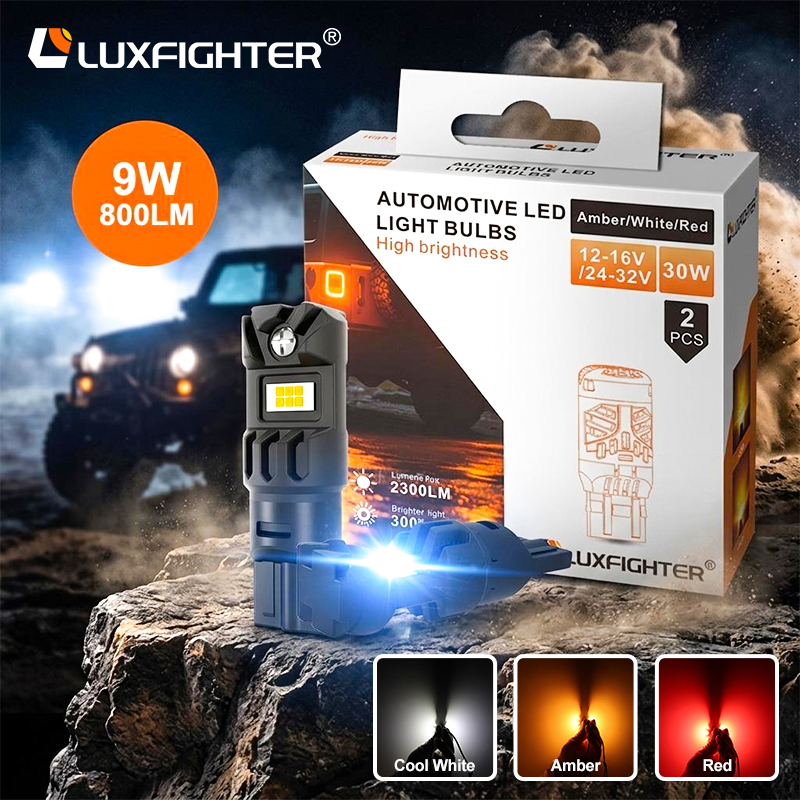
Most bulbs are rated for a certain number of hours under ideal lab conditions, but the real world is rarely so kind. We go beyond those standard ratings by rethinking the very materials that carry current to the filament. Instead of relying on common brass bases that gradually corrode and loosen, we use a custom copper alloy with a subtle spring temper. This keeps the electrical contact firm decade after decade, preventing the flickering and arcing that quietly eat away at bulb life long before the filament itself would fail.
Thermal management is the silent killer that standard ratings almost never capture. In a typical bulb, heat builds up in the glass envelope and slowly bakes the driver electronics hidden in the neck. Our designers tackled this with a dual‑path heat sink carved from a single piece of anodized aluminium. It draws warmth away from both the LED array and the base circuitry, channeling it to a sculpted outer ring that actually uses that waste energy to keep the bulb’s screw base just warm enough to resist condensation in outdoor fixtures. That means no sudden failures on the first damp morning of autumn.
The final nuance lives in the driver itself—the tiny circuit board that converts your home’s electricity into something the LED can use. We replaced off‑the‑shelf smoothing capacitors with a stacked film design that doesn’t degrade when the bulb is dimmed, and we potted the entire board in a thermally conductive silicone. This dampens vibrations from passing traffic or slamming doors, and it seals out the humidity that makes cheap drivers drift out of specification. Together, these choices let the bulb shrug off spikes, surges, and the sort of daily shocks that send ordinary bulbs to an early grave.
How Top Manufacturers Tackle Heat Management in Tight Spaces
Leading manufacturers are rethinking thermal design from the ground up, turning to unconventional materials and geometries to handle rising power densities. Instead of simply adding more fans or larger heatsinks, they embed vapor chambers directly into device chassis and exploit phase-change materials that absorb peak heat loads. These passive solutions are being paired with active airflow paths carved into structural frames, ensuring that every cubic millimeter serves a cooling purpose without adding bulk.
Software-driven thermal management has become equally critical. Intelligent algorithms dynamically adjust processor performance based on real-time temperature maps, shifting workloads away from hot zones or throttling non-essential functions. Some systems even leverage predictive models that anticipate thermal spikes before they occur, subtly ramping up cooling several seconds in advance. This layered approach—hardware innovation backed by smart firmware—keeps devices running full-throttle in spaces where traditional cooling would fail.
Manufacturers are also borrowing techniques from aerospace and medical device sectors, using microfluidics to circulate coolant through channels thinner than a human hair. By integrating these networks directly into chip substrates or battery packs, they eliminate the thermal bottleneck at the source. Combined with graphene-based thermal interface materials that outperform conventional pastes, these strategies let high-performance electronics thrive in enclosures once considered too crammed for serious computing.
Why Not All 'Plug-and-Play' T10s Fit Your Socket Perfectly
You’d think “plug-and-play” means a no-brainer swap—pull the old T10, push in the new one, done. But reality has a funny way of adding friction. Sockets vary subtly from car to car, even within the same model year. The plastic base of one bulb might be a hair wider, leaving you wrestling it into place, while another slides in so loosely it rattles with every bump. Those tiny manufacturing tolerances stack up, and suddenly a universal fit feels anything but.
Then there’s the metal tango happening at the contacts. A well-made T10 has precisely shaped pins that seat snugly against the socket terminals. Off-brand bulbs often skimp here, with tabs that are too thin, too thick, or misaligned just enough to cause intermittent flickering—or no glow at all. And it’s not always the bulb’s fault. Sockets age; their spring-loaded clips lose tension, corrode, or get slightly bent over years of heat cycling. A fresh bulb can’t fix a tired connection.
Bottom line: treating all T10s as truly interchangeable misses the messy, real-world variables in play. Before clicking “buy,” it pays to glance beyond the “guaranteed fit” label. Check the dimensions, scan a few user reviews, and know your socket’s quirks. A minute of homework beats staring at a stubborn bulb that won’t light—or worse, one that pops right back out.
The Materials and Testing That Separate Factory-Grade Bulbs from Knockoffs
Factory-grade bulbs start with materials that are built to last. The glass isn’t just any glass—it’s often borosilicate or toughened to handle thermal shock, so sudden temperature changes won’t crack it. Internal components like filaments, electrodes, or LED drivers are sourced from vendors who meet strict industry standards, not the cheapest wholesale lot. Even the base metal matters; nickel-plated brass resists corrosion far better than the flimsy aluminum alloys found in knockoffs. These choices mean a bulb that maintains brightness and color consistency over thousands of hours, not one that flickers and fades after a few months.
Testing is where the real division becomes clear. In a legit facility, every batch undergoes stress tests that mimic years of use in days. They cycle through high and low temperatures, test for vibration resistance, and measure lumen depreciation over time. Safety checks are non-negotiable—ground continuity and insulation resistance are verified to prevent shorts or fires. Knockoffs might get a quick on/off test, if that. Without this rigor, you’re left guessing whether a bulb will fail early, hum annoyingly, or worse, pose an electrical hazard. The testing protocols are what transform a pile of parts into a reliable light source.
All that attention to material and process adds up to performance no copycat can match. You see it in the way factory bulbs handle dimmers without buzzing, how they render colors naturally, and how they keep their cool even in enclosed fixtures. It’s the absence of that hot, plastic-like smell when a bulb’s been on a while, and the peace of mind that comes from knowing it won’t die unexpectedly. Cheap bulbs might look similar on a shelf, but the first time you have to replace one a year later while the genuine article keeps glowing, the difference isn’t just academic—it’s a lesson in what quality manufacturing actually buys you.
A Practical Look at Beam Patterns for Everyday Parking Visibility
When we think about car headlights, beam patterns rarely cross our minds—until a poorly lit parking lot makes us squint. The way light scatters across asphalt isn't just about brightness; it's about where that light goes. Most factory headlights use a stepped cutoff to avoid blinding oncoming drivers, but this same design can leave dark gaps just where you need to see curbs and shopping cart corrals.
In tight parking spaces, a wide, low-reaching beam with sharp horizontal cutoffs helps spot painted lines and obstacles without flooding neighboring cars with glare. Fog lights or dedicated cornering lamps often fill these gaps, but many drivers forget they exist. Simple adjustments like aiming headlights correctly or adding auxiliary LED strips can transform a stressful parking crawl into a relaxed maneuver, especially in older vehicles where lens haze scatters light uselessly upward.
The real trick is balancing flood and spot patterns: you want just enough vertical spread to read signage, but not so much that reflections from wet pavement blind you. Aftermarket bulbs with different filament positions can alter this unintentionally, sometimes turning a safe beam into a scattered mess. Paying attention to how light pools in front of your parked car—and where shadows fall—can reveal more about your headlights' everyday usefulness than any spec sheet ever will.
FAQ
Specialized manufacturers fine-tune the LED chip placement and use high-transparency lenses to maximize light output. They often employ advanced phosphor coatings that produce a crisp, wide beam without dark spots, so you get consistent brilliance across the entire parking area.
It comes down to superior thermal management and strict component selection. Quality manufacturers integrate copper-core circuit boards and aluminum heat sinks that pull heat away from the LEDs, preventing premature dimming. They also use automotive-grade drivers that regulate current precisely, avoiding stress on the diodes.
Look beyond flashy specs. Check if they offer real-world lumen maintenance data and warranty terms that indicate confidence in their product. A trustworthy manufacturer will have in-house testing facilities for vibration, moisture, and temperature cycling, and they'll be transparent about their quality control processes.
Absolutely, when they're built right. Top-tier manufacturers seal the housing with durable polymers and use weatherproof connectors that resist corrosion. They also subject every batch to salt-spray and thermal shock tests, ensuring the bulbs keep working whether it's sub-zero cold or blistering heat.
Yes, and it’s a major reason fleets switch to them. A well-designed T10 LED draws a fraction of the power that incandescent bulbs use while delivering more usable light. Over time, this reduction in electrical load can extend battery life and lower fuel consumption in vehicles with engine-driven charging systems.
Experience shows in the little details. An expert manufacturer knows which solder alloys prevent cracking under vibration, how to orient LEDs for uniform beam patterns, and when to add conformal coating to protect circuitry. This accumulated know-how directly reduces early failures and keeps your parking lights shining without flicker.
Conclusion
What really sets a T10 LED parking bulb apart in brightness and lifespan starts with the raw diode quality. Leading manufacturers don't simply slap in generic chips; they select high-density flip-chip LEDs and pair them with precision-molded optics to focus light exactly where your housing expects it, eliminating wasted spill. But sheer lumens won't matter if the bulb dims after a few months. That's why thermal management is engineered from the board up. You'll find copper-core substrates and thermally conductive silicone that pull heat straight off the junction, even in the cramped, stagnant air behind a lens. Integrated constant-current circuitry handles the wild voltage swings common in older vehicles, preventing the flicker and accelerated decay that plague bargain-bin alternatives.
Installation gremlins often come down to base tolerances. A true factory-grade bulb uses a precisely molded wedge that meets tight dimensional specs, so it clicks in without excessive force or a wobbly connection. Once seated, the beam pattern takes over. Rather than random scattering, the light is shaped through a lens texture that mirrors your reflector's design, brightening the curb lines without blinding other drivers. Materials reveal the rest: UV-stabilized polycarbonate lenses that won't haze over time, high-temp capacitors, and gold-plated contacts resist corrosion. These components survive torture tests—from salt spray chambers to continuous vibration rigs—giving you the consistent, long-lasting glow that a cheap knockoff simply can't replicate.
Contact Us
Contact Person: Gavin Chen
Email: [email protected]
Tel/WhatsApp: (+86)756-6831079
Website: https://www.luxfighter.com/