

Professional Polyurethane Production Line: Revolutionizing Manufacturing Efficiency
2026-07-15
Step onto a modern factory floor, and you’ll see it immediately: the relentless push toward leaner, faster, more intelligent production. At the heart of this transformation lies the polyurethane production line, a critical enabler for industries ranging from automotive to construction. Yet, not all lines are created equal. As businesses seek to balance precision with throughput, many are turning to specialized solutions that embed decades of engineering insight. YI ZHOU TECHNOLOGY has been quietly shaping this shift, delivering integrated systems that don’t just automate—they fundamentally rethink how polyurethane components are made, from raw material handling to final curing. In this post, we strip away the jargon to explore what truly makes a production line revolutionary, and why the ripple effects are felt far beyond the shop floor.
Streamlining Polyurethane Processing from Start to Finish
Getting polyurethane processing right the first time is less about following a rigid checklist and more about understanding how each step influences the next. When you tweak the temperature on your mixing head, you're not just chasing a number on a spec sheet—you're managing how the material flows, cures, and ultimately performs in the field. A small shift in catalyst levels can ripple through your entire production run, affecting everything from demold time to surface finish. Smart operators learn to read these patterns, adjusting on the fly rather than waiting for a problem to show up in quality control.
One often-overlooked area is the transition between stages. The material doesn't care whether it's in the tank, the hose, or the mold—conditions have to stay consistent. If your preheating setup causes a drop in temperature right before injection, you're essentially processing two different materials. The same goes for pressure changes when switching between molds of different volumes. Some of the best-run facilities I've seen use simple visual cues and standardized hand-off procedures instead of complex automation. Color-coded quick-connect fittings, marked pressure zones, and a clear understanding of lead/lag timing between operators can eliminate more headaches than a dozen sensors.
Finally, don't underestimate the value of a well-choreographed shutdown and startup sequence. When a line stops unexpectedly, the temptation is to rush back to full speed as fast as possible. But the few extra minutes spent purging, resetting temps, and checking for settled solids can save hours of scrap and rework. I've watched teams turn a chaotic morning into a smooth day just by having a laminated card on the machine with a five-step restart checklist. It's not glamorous, but it's the kind of practical streamlining that keeps your output consistent and your costs predictable.
Cutting-Edge Automation Meets Unmatched Precision
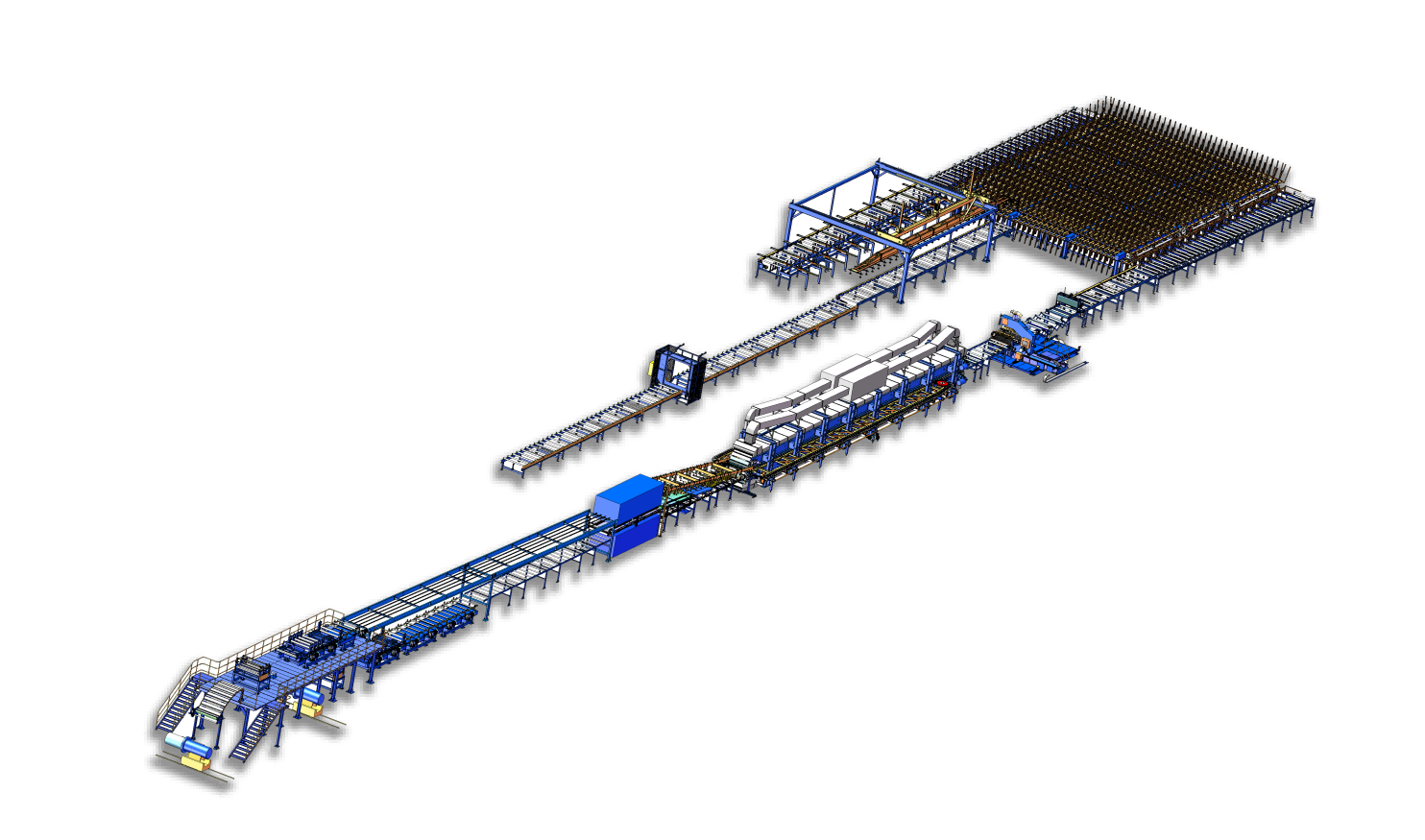
Modern automation doesn’t just perform tasks—it anticipates variances and adapts in real time. Advanced sensor arrays paired with adaptive control algorithms allow machinery to correct micro-deviations before they become flaws. Whether handling delicate electronic components or heavy materials, the system maintains micron-level accuracy without sacrificing throughput.
What sets this apart is how seamlessly autonomous calibration integrates into routine workflows. Instead of manual tweaks between batches, self-correcting mechanisms constantly refine positioning, force, and speed. The result: products that meet exacting standards batch after batch, with minimal waste and almost no human intervention.
Users interact with the system through an intuitive interface that translates complex processes into clear, actionable data. They see not just metrics but a live mirror of the physical operation, making it easy to trust that every movement aligns with design intent. The synergy between intelligent oversight and mechanical execution makes high-precision output feel effortless.
How Smart Design Minimizes Downtime and Waste
Systems built with intelligent design anticipate bottlenecks before they occur. By embedding sensors and self-diagnostic routines directly into equipment, the design itself triggers alerts when performance drifts outside optimal bands. This shifts maintenance from a rigid calendar schedule to a condition-based approach, meaning components are replaced only when truly needed, not on a guess. As a result, production lines avoid the two extremes of unexpected breakdowns and premature part swaps, both of which eat into productive time and generate unnecessary scrap.
Layout and material flow are just as critical as the machinery. A well-thought-out floor plan eliminates redundant movement—of both people and materials. When every step adds value and there’s no backtracking or temporary staging areas cluttering the workspace, changeovers happen in minutes instead of hours. Fewer idle moments between runs mean less energy wasted and fewer raw materials left to degrade or get contaminated. Ergonomic positioning of tools and controls further reduces operator strain and error, directly cutting the rework that would otherwise halt progress.
Clever design also embraces modularity. When a unit fails, a quick-swap module gets the line back up while the faulty part is repaired offline, eliminating the pressure to rush a fix that might compromise quality later. Standardized interfaces between these modules let teams reconfigure for new products without tearing out whole systems. That adaptability means a single line can serve multiple purposes without long retooling pauses, shrinking both downtime and the wasteful byproducts that come with restarting complex chemical or thermal processes again and again.
Scalable Systems Tailored to Evolving Production Needs
Manufacturing environments rarely stay static for long. What worked last quarter may already feel strained as order volumes shift, new product lines are introduced, or throughput expectations rise. A system that can’t adapt alongside these changes quickly becomes a bottleneck rather than an asset. That’s why focusing on architectures that grow and reconfigure without requiring a complete overhaul is so critical. Instead of betting on a rigid setup that meets only today’s checklist, it pays to invest in modular components and flexible control logic that can be reconfigured with minimal downtime.
Real scalability shows up in the details. It’s not just about adding a few extra I/O points or swapping a motor. It means being able to integrate new stations into an existing line without rewriting the core sequence logic, or letting data collection expand seamlessly when more sensors are deployed. It also involves the people side—operators and technicians need to understand the system well enough to suggest improvements and make small adjustments themselves, rather than waiting for an outside integrator. When the system is built with that kind of transparency and extendability, the team gains confidence and the line stays responsive.
The goal isn’t to predict the future perfectly, but to refuse to be trapped by the present. Evolving production needs might reveal themselves through a major contract win, a routine product refresh, or a sudden shift in material availability. A system designed for scalability doesn’t flinch at those moments. It absorbs them. Whether it’s adding a vision inspection step, handling a wider range of package sizes, or accommodating a temporary surge in demand, the infrastructure and the logic are already prepared to stretch. That kind of resilience turns production lines from static installations into living platforms that keep pace with the business’s actual trajectory.
Energy Efficiency That Doesn't Compromise Output
True energy efficiency shouldn’t mean dialing back performance. Our systems are engineered from the ground up to deliver maximum output while consuming significantly less power. By rethinking core circuitry and using adaptive load management, we avoid the typical trade-offs found in conventional designs. The result is a solution that operates at peak proficiency without the energy waste that usually accompanies high-demand tasks.
We’ve integrated proprietary algorithms that continuously optimize power delivery in real time, ensuring that every watt is used purposefully. Unlike standard approaches that simply throttle performance to save energy, our dynamic architecture adjusts on the fly—ramping up when needed and scaling back during lighter loads, all without user intervention. This means you get consistent, high-caliber output whether you’re running intensive workloads or handling routine operations.
What truly sets this apart is the synergy between advanced material science and intelligent thermal management. By reducing internal resistance and minimizing heat generation, our components maintain their efficiency even under sustained stress. Less energy lost as heat translates directly into more power available for the work that matters. It’s not just about using less electricity; it’s about achieving more with every unit of energy consumed.
Real-World Impact: Faster Turnaround, Stronger Products
When development cycles shrink from months to days, the difference is more than just a number on a calendar. Teams stop second-guessing estimates and start iterating in real time. A tweak in the morning can be live by afternoon—tested, validated, and already outperforming yesterday’s version. It’s not about rushing; it’s about removing the friction that turns small fixes into drawn-out ordeals.
This pace has a direct line to product resilience. When you can react to feedback without bureaucratic lag, every release becomes a chance to reinforce what works and discard what doesn’t. Features don’t just launch faster—they launch smarter. The result is a product that feels less like a finished monument and more like a living system, constantly sharpening itself against the edge of actual use.
On the ground, that translates into fewer fire drills and more trust. Support teams hear about an issue and see it resolved before the next wave of tickets arrives. Customers notice the quiet improvement, not the scramble behind it. Over time, this rhythm builds a reputation not for perfection, but for responsiveness—which, in most markets, is far more valuable.
FAQ
The key lies in precision-engineered mixing heads and modular design. Unlike generic lines, professional systems use closed-loop control to maintain consistent foam density and reduce material waste. They’re built to handle high-output volumes without sacrificing product quality, often integrating real-time monitoring that adjusts parameters on the fly.
Automation cuts out human error and speeds up repeatable tasks. Sensors track temperature, pressure, and flow rates continuously, so the line self-corrects before defects happen. This means less downtime for adjustments and a steady throughput that manual setups can’t match. It’s not just faster—it’s consistently reliable.
Yes, modern professional lines are designed for flexibility. With quick-change mixing chambers and programmable logic controllers, you can switch between rigid foam, flexible foam, or elastomers in minutes. This versatility lets manufacturers respond to different orders rapidly, keeping inventory lean and lead times short.
Energy consumption is a major cost driver. Efficient lines recover heat from exothermic reactions and use variable-speed drives on pumps and conveyors. Some even feed reclaimed heat back into building systems. Over a year, the savings often offset a big chunk of the initial investment, making it a smart long-term choice.
Older equipment often relies on manual adjustments and timed pours, leading to density variations. Advanced lines use mass flow meters and servo-driven dispensers to control raw material inputs within 0.5% tolerance. The result is uniform cell structure and mechanical properties from the first part to the last, even across long production runs.
Automotive seating, insulation panels, refrigeration, and footwear see immediate gains. For instance, automotive suppliers get consistent cushioning with less scrap, while panel makers achieve higher R-values with less material. Custom molders also benefit because they can replicate complex shapes accurately at high speed.
The learning curve is surprisingly gentle. Most systems have intuitive HMIs and guided setup wizards. Many suppliers offer on-site training during commissioning. Once operators grasp the basics, the line’s diagnostics actually simplify their work by flagging issues early, reducing the need for deep technical expertise on every shift.
Preventive maintenance is predictive rather than just scheduled. Built-in analytics track wear on pumps and seals, alerting you before a failure. Modular components mean a faulty mixer or valve can be swapped in under an hour, not days. This keeps uptime high and repair costs low, a stark contrast to older equipment that often needs major overhauls.
Conclusion
A professional polyurethane production line redefines what efficiency means in modern manufacturing, seamlessly integrating every stage from raw material handling to final curing. Rather than treating each step as a separate challenge, these systems orchestrate the entire process with intelligent coordination, drastically reducing idle time and material waste. Advanced automation lies at the core, employing real-time monitoring and adaptive controls that maintain exact mixing ratios and precise dispensing, ensuring every batch meets the tightest specifications. This level of accuracy not only boosts product quality but also allows the line to adjust on the fly—fine-tuning parameters without human intervention—so consistency remains rock-solid even during high-volume runs. Smart design choices, such as self-cleaning mixing heads and predictive maintenance alerts, further minimize interruptions, keeping the line in motion and virtually eliminating unexpected downtime.
What truly sets these systems apart is their built-in scalability and energy-conscious engineering. Modular components and configurable layouts make it simple to expand capacity or add new capabilities as production needs evolve, without requiring a complete overhaul. At the same time, efficient heat recovery, optimized motor drives, and low-loss hydraulics significantly cut power consumption without sacrificing output speed. The result is a line that delivers faster turnaround and more durable finished goods—from insulation panels to automotive components—while driving down operational costs. In practice, manufacturers see shorter lead times, less waste, and a direct improvement in the mechanical properties of their products. This isn’t just a step forward in machinery; it’s a holistic approach that turns polyurethane processing into a streamlined, reliable, and future-ready operation.
Contact Us
Contact Person: Sophia Jiang
Email: [email protected]
Tel/WhatsApp: +86 17367381818
Website: https://yzwelding.com/