

Polymer Soil Stabilizer for Unpaved Roads: The Durable and Dust-Free Solution
2026-07-28
Unpaved roads are the backbone of rural connectivity, but they come with a dusty, muddy, and high-maintenance reality. Traditional methods like watering or grading offer only temporary relief, leaving you stuck in a costly cycle. That’s where advanced polymer soil stabilization steps in—and MST is leading the charge with a durable, dust-free solution that transforms unstable soil into a hard, long-lasting surface. Imagine roads that stay firm through rain and traffic, all while slashing maintenance costs and environmental impact. Ready to discover how this innovation is reshaping the very ground we drive on?
Why Unpaved Roads Need a Stronger Fix
The usual quick fixes for dirt and gravel roads—grading away ruts, dumping fresh stone—break down quickly under heavy use and harsh weather. Without a deeper intervention, these surfaces fall victim to the same cycle: erosion scours out fines, potholes reappear, and the road costs more in constant maintenance than a permanent upgrade ever would. A stronger fix isn’t just about adding material; it’s about stabilizing the whole roadway from the base up, so it resists the forces that tear ordinary gravel roads apart.
Soil stabilization methods, like mixing in polymers, enzymes, or cementitious binders, transform loose aggregate into a compact, resilient layer that sheds water instead of soaking it up. This kind of reinforcement also prevents the washboarding and corrugation that make driving uncomfortable and dangerous. When you build in durability rather than patching problems, the road stays smoother longer, cuts down on dust, and dramatically reduces the frequency of heavy equipment runs—saving time, fuel, and budget in the long run.
There’s also a quiet benefit to tougher unpaved roads: environmental containment. A poorly stabilized road constantly leaks sediment into ditches and nearby waterways, while a well-bound surface curbs runoff and keeps soil in place. By investing in a more robust fix upfront, rural communities and industries get more than a smoother ride—they protect the surrounding land and water, and they free up crews to work on other priorities instead of endlessly chasing the same ruts and washouts season after season.
How Polymer Technology Works Below the Surface
Polymer technology alters the behavior of fluids in underground reservoirs by modifying their viscosity and flow characteristics. When high-molecular-weight polymers dissolve in water, they create a solution that resists flowing through narrow pore spaces, effectively increasing the sweep efficiency. This targeted thickening allows the injected fluid to push hydrocarbons toward production wells more evenly, bypassing less permeable zones that would otherwise remain untouched.
Deep beneath the earth, these polymer chains interact with rock surfaces on a molecular level, reducing the tendency of water to finger through oil. Adsorption onto mineral grains temporarily reduces permeability in already swept channels, diverting subsequent fluid into unswept areas. The carefully engineered polymers also exhibit shear-thinning behavior, meaning they thin out when forced through tight constrictions, which prevents blockages while still providing substantial mobility control across the entire reservoir volume.
Long-Lasting Toughness Without Constant Repairs
Materials engineered for resilience reshape the way we think about durability. Instead of relying on frequent fixes, these solutions absorb stress, resist wear, and maintain structural integrity over years of heavy use. Their composition minimizes micro-cracks and fatigue, which means fewer unexpected failures and a lifespan that outpaces traditional options.
The real advantage surfaces in harsh environments where constant maintenance is simply not practical. From industrial machinery to outdoor installations, the ability to shrug off temperature swings, moisture, and abrasion without regular intervention keeps operations running smoothly. This built-in endurance ensures that resources are spent on progress, not patching up recurring weaknesses.
Beyond the obvious cost savings, the reduction in repair cycles has a quieter impact: less downtime, less waste, and a smaller burden on those who manage the equipment. It allows teams to focus on what they do best, confident that the foundation beneath them won't demand attention at the worst possible moment.
Keeping the Air Clear by Locking Down Dust
Dust might seem harmless, but in industrial settings, it can quickly become a serious problem. Fine particles drift through the air, coating equipment, infiltrating sensitive electronics, and even posing health risks to workers. The most effective way to manage this invisible threat is through proper containment—capturing dust before it spreads. By integrating sealed enclosures, negative pressure systems, and high-efficiency filtration, facilities can keep the atmosphere clean without sacrificing productivity.
Modern dust mitigation goes beyond simple ventilation. It requires a layered approach that locks particles down at the source. For instance, localized extraction hoods placed near conveyor transfer points or mixing stations prevent dust from ever entering the main workspace. Paired with automated shutters and flexible barriers, these systems adapt to variable operations, ensuring that even during peak activity, airborne contaminants remain controlled. This not only protects equipment longevity but also reduces cleanup costs and downtime.
The benefits of a well-designed containment system extend into compliance and comfort. When dust is consistently trapped and removed, facilities meet strict air quality regulations more easily, and employees experience fewer respiratory issues. Moreover, clear air boosts morale and visibility, reducing the likelihood of accidents. Ultimately, locking down dust is an investment in both safety and efficiency—transforming a potentially hazardous environment into one where clean air is a standard part of the workflow.
Simple Application That Saves Time and Labor
At its core, this tool strips away unnecessary steps and lets you complete tasks in seconds that used to eat up your afternoon. The interface is so straightforward that you can train a new team member in minutes—no manuals, no endless onboarding, just immediate productivity. It handles the repetitive grunt work, from sorting data to generating routine reports, so your team can stay focused on high-impact projects.
What truly sets it apart is how it learns your patterns and suggests shortcuts you wouldn't have thought of. One user cut her weekly reporting time from four hours to fifteen minutes simply by adopting the pre-configured workflows. There’s no steep learning curve, no IT support tickets—just a quiet, reliable assistant that works alongside your existing tools.
Unlike bulky platforms that demand weeks of setup, this application runs immediately with minimal configuration. It adapts to how you already work rather than forcing you into a new system. The result is less frustration, fewer late nights chasing deadlines, and a noticeable drop in the mental load that comes with juggling too many manual processes.
Real Results from Farms, Mines, and Backroads
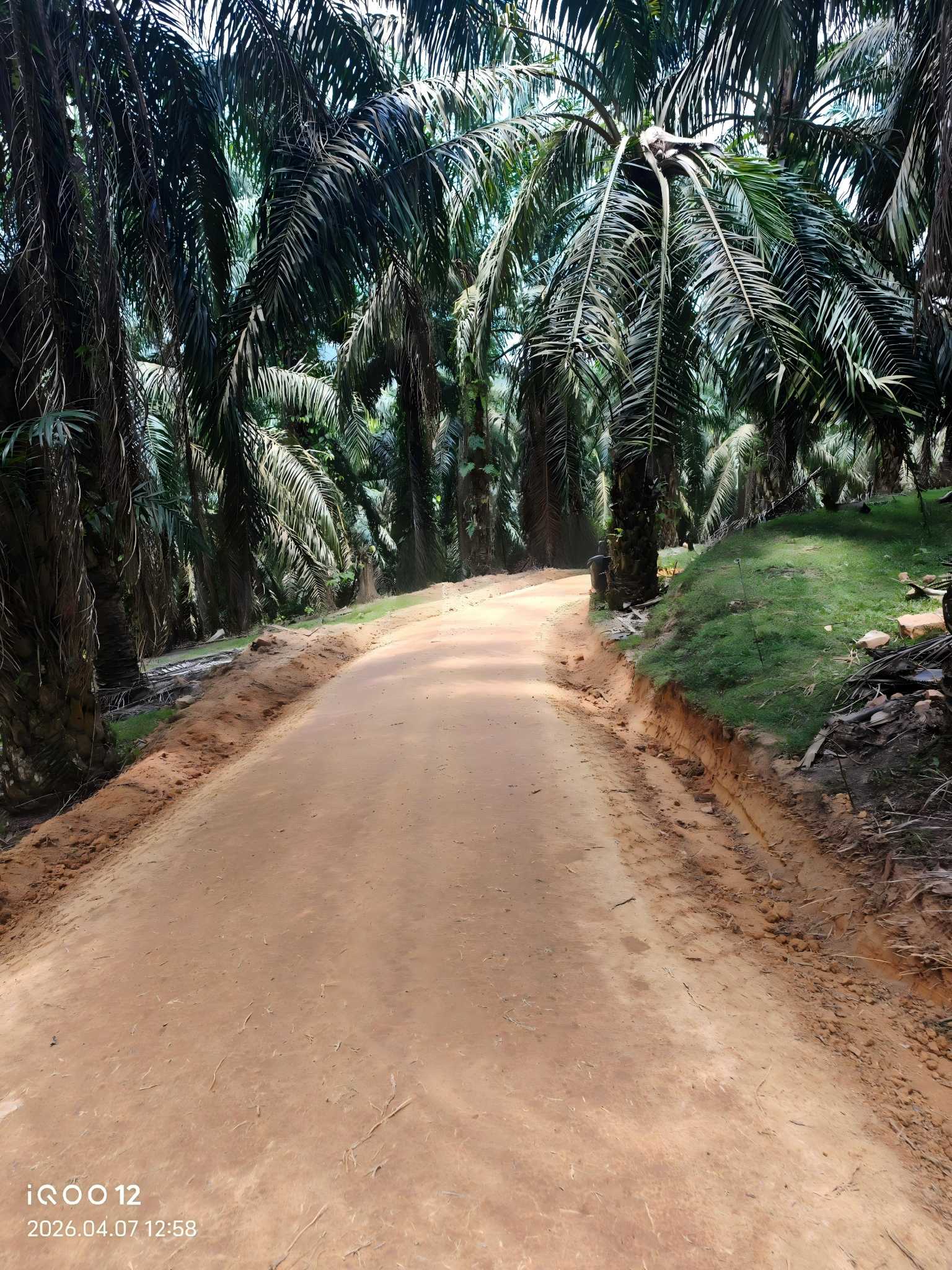
The numbers don’t come from a controlled lab. They’re pulled straight from the dust and grit of working farms, deep mines, and unpaved backroads. Every data point reflects hours of real operation: tractors hauling loads across uneven fields, drills cutting through rock layers, trucks navigating washboard gravel miles from the nearest town. There’s no simulation that can replicate the constant vibration, abrupt temperature swings, or the fine silt that seeps into every crevice. What you see here is the raw output of machines doing exactly what they were built to do — day after day, in places where breakdowns aren’t an inconvenience but a serious threat to productivity and safety.
In these environments, reliability isn’t a marketing bullet point. It’s the difference between finishing the harvest before the rains hit or losing a season’s work. The feedback gathered from these sites goes beyond standard benchmarks; it captures moments when a component held up long past its rated lifespan, or when a system alert prevented a failure miles underground. These outcomes aren’t filtered or cherry-picked — they’re what operators and maintenance crews actually experience. From iron ore pits to potato fields to logging trails, the pattern is clear: equipment that survives here can handle anything the typical worksite throws at it.
FAQ
It binds soil particles together, forming a tough, flexible surface that resists erosion, reduces dust, and stands up to traffic without constant upkeep.
Depending on climate and usage, a well-applied polymer treatment can keep a road stable and dust-free for 2–4 years, sometimes longer with light traffic.
Yes, quality polymer stabilizers are designed to handle moisture—they create a water-resistant layer that prevents washouts and mud, even during heavy downpours.
Not really. The soil stays its original color and texture, just with a firmer, cleaner finish that blends into the surroundings.
It works on most soils, but performance varies. Sandy or gravelly soils often see the best results, while high clay content might need a tailored approach.
It’s quieter, cleaner, and more environmentally friendly. Gravel requires frequent replenishment, and oil-based products can leach chemicals—polymers offer a low-maintenance, safe alternative.
Typically, it’s mixed into the top layer of the road using a grader or rotary mixer, then compacted. For smaller projects, simple tools like a tractor attachment can do the job.
Conclusion
Unpaved roads constantly suffer from ruts, washboarding, and erosion, calling for a more permanent fix than frequent grading or watering. Polymer soil stabilizers offer that deeper solution. They work by penetrating the soil and binding particles together with a durable, flexible matrix that strengthens from within. Unlike temporary surface treatments, this chemical bonding creates a tightly locked base that resists heavy loads and weather impacts, effectively transforming native soil into a road surface that can last for years without the constant cycle of repairs.
Beyond structural resilience, the polymer approach tackles dust and simplifies construction. By locking down fine particles, it eliminates airborne dust, improving air quality and visibility for drivers, workers, and nearby communities. The application itself is straightforward: mixing the liquid concentrate with water, applying it to the graded road, and compacting—with most roads ready for use within a day. This saves significant time and labor compared to importing aggregate or applying repeated top-ups. The real-world impact is evident across farms, mine haul roads, and rural backroads, where operators report smoother, tougher surfaces that cut maintenance costs and downtime while keeping vehicles and lungs cleaner.
Contact Us
Contact Person: Helen
Email: [email protected]
Tel/WhatsApp: 86 18630661160
Website: https://www.roadmilestone.com/