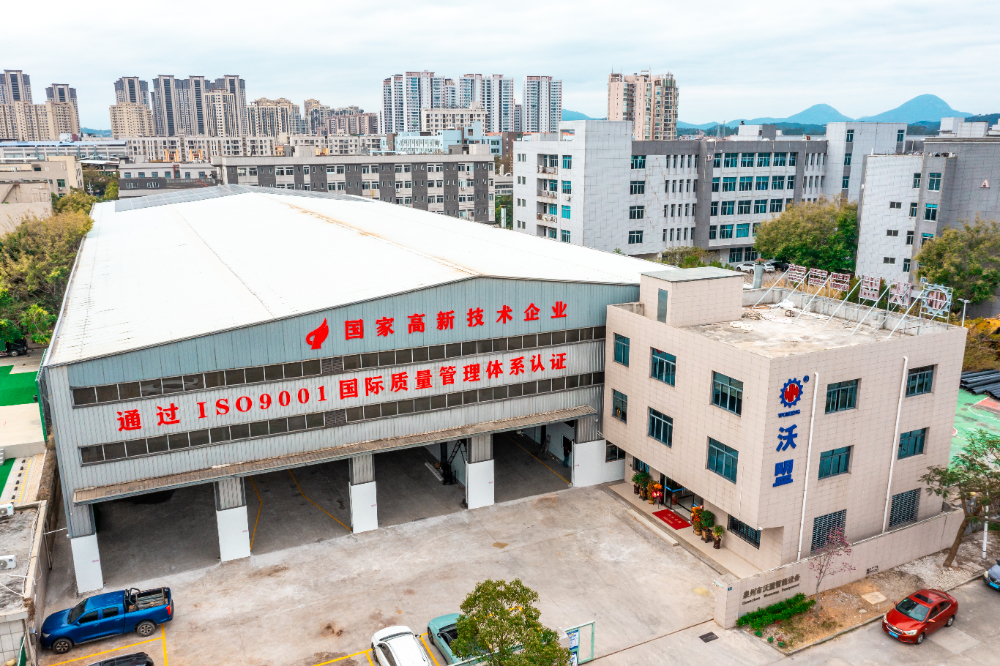

Pioneering Disposable Diaper Machines: Innovations from Leading Manufacturers
2026-04-10
In the ever-evolving world of baby care, the humble disposable diaper has undergone a remarkable transformation, driven by cutting-edge machinery that few outside the industry ever see. From the early days of manual assembly to today's high-speed, automated production lines, the journey of diaper manufacturing is a fascinating tale of engineering prowess and innovation. Leading manufacturers have pushed the boundaries with smarter, more efficient machines that enhance hygiene, comfort, and sustainability. Among these trailblazers is Womeng, a brand that has quietly shaped the landscape with its pioneering solutions. This blog post delves into the innovations behind disposable diaper machines, exploring how industry leaders like Womeng are revolutionizing an essential part of modern parenting. Curious to know what makes their technology stand out? Let's uncover the secrets that keep babies dry and happy worldwide.
Evolution of Automated Systems in Diaper Production
In the early days of diaper production, manual labor dominated the process, with workers handling tasks like cutting, folding, and packaging by hand. This method was not only slow and labor-intensive but also prone to inconsistencies in quality and hygiene. As demand for disposable diapers surged in the mid-20th century, manufacturers began exploring basic mechanization to boost efficiency, introducing simple conveyor belts and rudimentary assembly lines that reduced human involvement in repetitive tasks.
The advent of computer-controlled systems in the 1980s and 1990s marked a significant leap forward, enabling more precise control over material handling and production speeds. This era saw the integration of sensors and programmable logic controllers (PLCs), which allowed for real-time monitoring and adjustments, minimizing waste and improving product uniformity. Innovations like automated cutting machines and advanced adhesive application systems further streamlined operations, paving the way for higher-output facilities that could meet growing consumer needs without compromising on quality.
Today, the evolution continues with smart automation and Industry 4.0 technologies, incorporating artificial intelligence and IoT connectivity to create fully integrated production lines. These systems can self-diagnose issues, predict maintenance needs, and adapt to varying material specifications, resulting in unprecedented levels of efficiency and customization. From robotic arms that handle delicate components to data analytics that optimize supply chains, modern diaper production exemplifies how automation has transformed an industry once reliant on human hands into a model of precision and scalability.
Cutting-Edge Materials Handling and Layering Technologies
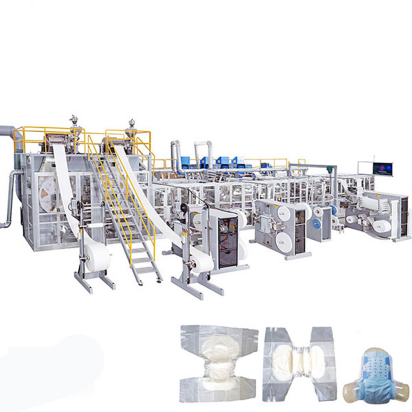
Modern industries are increasingly leaning on sophisticated materials handling and layering solutions to streamline operations and enhance product integrity. These advanced systems not only automate the movement of raw materials and finished goods but also integrate precision layering techniques that optimize storage space and reduce waste. From robotic arms that handle delicate components to conveyor belts equipped with smart sensors, the focus is on creating seamless workflows that adapt to real-time demands.
Innovations in layering technologies, such as 3D printing and additive manufacturing, are revolutionizing how materials are assembled and structured. By building objects layer by layer, manufacturers achieve unprecedented control over material properties and design complexity, enabling the production of lightweight yet durable components. This approach minimizes material usage and allows for customization that traditional methods can't match.
The integration of AI and IoT into materials handling systems further elevates their capability, predicting maintenance needs and optimizing routes for efficiency. As these technologies evolve, they promise to reduce operational costs while boosting sustainability, making them indispensable tools in today's competitive landscape.
Revolutionary Sealing Mechanisms for Enhanced Performance
In the realm of engineering and manufacturing, revolutionary sealing mechanisms are at the forefront of innovation, drastically transforming how devices and systems perform under diverse conditions. These advanced seals are crafted from cutting-edge materials that resist extreme temperatures, pressures, and corrosive environments, ensuring reliability where traditional seals fail. By integrating smart technologies like sensors and self-healing polymers, they can detect and repair minor leaks autonomously, reducing downtime and maintenance costs.
One standout example is the use of magnetic fluid seals in high-speed machinery, which eliminate friction and wear by creating a dynamic barrier that adapts to rotational speeds in real-time. This not only boosts efficiency but also extends equipment lifespan, making it a game-changer for industries like aerospace and automotive. Unlike conventional rubber seals that degrade over time, these mechanisms maintain integrity, enhancing overall safety and performance metrics.
Tailored applications, such as in biomedical implants or renewable energy systems, showcase their versatility: custom-designed seals that prevent contamination and energy loss, ensuring optimal functionality in sensitive environments. The focus on sustainability is key, with eco-friendly materials that reduce environmental impact while delivering superior sealing outcomes. By pushing the boundaries of what seals can achieve, these mechanisms offer a competitive edge, making them essential for future-proofing technologies in a fast-evolving world.
Smart Integration and IoT Advancements in Manufacturing Lines
Manufacturing lines are undergoing a transformative shift as smart integration and IoT advancements converge to create more responsive and efficient production environments. Unlike traditional setups that operate in silos, these technologies enable real-time data exchange between machines, sensors, and software, allowing for seamless coordination across the entire workflow. This integration isn't just about connecting devices; it's about fostering a cohesive ecosystem where every component communicates intelligently, reducing downtime and optimizing resource allocation. Companies leveraging these tools often report enhanced agility, as production can be adjusted on-the-fly based on incoming data streams.
One standout aspect of IoT advancements in this context is the ability to predict and prevent equipment failures before they cause disruptions. By embedding sensors that monitor vibration, temperature, and other critical parameters, manufacturers gain insights into machine health, transitioning from reactive maintenance to proactive strategies. This predictive capability can slash maintenance costs by up to 30% in some cases, while also extending the lifespan of expensive machinery. The data collected doesn't just stop at the factory floor; it feeds into analytics platforms that identify patterns and suggest improvements, turning raw numbers into actionable intelligence.
Beyond predictive maintenance, smart integration paves the way for customization at scale, a feat once thought impossible in high-volume manufacturing. With IoT-enabled systems, production lines can adapt to produce smaller batches tailored to specific customer demands without sacrificing efficiency. This flexibility is driven by interconnected robots and automated guided vehicles that reconfigure themselves based on real-time orders, supported by cloud-based platforms that manage the entire process. As a result, manufacturers can respond swiftly to market trends, offering personalized products while maintaining lean operations, giving them a significant edge in competitive industries.
Sustainability Innovations in Disposable Diaper Machinery
In recent years, the disposable diaper industry has seen a surge in sustainable innovations within machinery design, driven by growing environmental concerns and regulatory pressures. Manufacturers are increasingly adopting advanced technologies that reduce waste and energy consumption, such as precision cutting systems that minimize material offcuts and modular designs that allow for easier upgrades and repairs, extending equipment lifespan. For instance, some new machines integrate sensors and AI-driven algorithms to optimize production runs, ensuring that raw materials like fluff pulp and superabsorbent polymers are used more efficiently without compromising diaper quality. These advancements not only cut down on factory waste but also lower the carbon footprint associated with manufacturing, aligning with broader global sustainability goals.
Another key area of innovation focuses on incorporating eco-friendly materials directly into the production process. Modern diaper machinery is being engineered to handle biodegradable or plant-based components, such as cornstarch-based films and sustainably sourced cellulose, which were previously challenging to process on conventional equipment. This shift requires rethinking machine components like sealing units and adhesive applicators to accommodate these materials' unique properties, ensuring consistent performance and durability. By enabling the use of greener inputs, these machinery updates help brands meet consumer demand for more sustainable disposable products, potentially reducing landfill impact and enhancing product lifecycle assessments.
Beyond material and efficiency tweaks, there's a growing emphasis on water and energy conservation in diaper manufacturing lines. Innovations include closed-loop water recycling systems that reuse process water and heat recovery units that capture waste energy for other plant operations, significantly slashing resource use. Additionally, smart monitoring systems provide real-time data on machine performance, allowing operators to quickly adjust settings to avoid overproduction or defects that lead to scrap. This holistic approach not only boosts operational sustainability but also offers cost savings over time, making it an attractive investment for companies aiming to stand out in a competitive market while contributing positively to environmental stewardship.
Customizable Solutions for Global Market Demands
In today's fast-paced global economy, companies face diverse challenges across different regions. Customizable solutions are essential to adapt products and services to meet local preferences, regulations, and cultural nuances. By tailoring offerings, businesses can build stronger customer relationships and achieve sustainable growth in international markets.
Technology plays a key role in enabling these adaptable strategies, with tools like modular platforms allowing for quick adjustments. This flexibility helps organizations respond to shifting consumer trends and competitive pressures without overhauling their core operations.
Ultimately, embracing customization fosters innovation and resilience, positioning firms to thrive in a dynamic world where one-size-fits-all approaches often fall short. It's about creating value that resonates with each unique market segment.
FAQ
Leading manufacturers have pioneered innovations such as advanced absorption cores that distribute liquids more evenly, high-speed production lines that increase efficiency, and eco-friendly materials that reduce plastic usage.
Modern machines incorporate real-time monitoring systems that instantly detect defects, automated quality control to ensure consistency, and modular designs that allow quick customization for different diaper sizes and styles.
Smart machines feature IoT connectivity for remote diagnostics, predictive maintenance to minimize downtime, and energy-saving modes that adjust power usage based on production demand.
Manufacturers have focused on using biodegradable or recyclable materials, reducing water and energy consumption during production, and designing machines that can process waste more efficiently.
Automation streamlines processes like material handling and packaging, while AI optimizes production schedules and predicts maintenance needs, leading to faster output and reduced human error.
Advanced machines lower production costs through higher speeds and reduced waste, making diapers more affordable and accessible, especially in emerging markets.
Challenges included integrating complex materials without slowing production, ensuring machine durability in high-humidity environments, and meeting strict regulatory standards for safety and hygiene.
Conclusion
The evolution of diaper manufacturing has been driven by remarkable innovations from leading manufacturers, transforming the industry through automated systems and cutting-edge technologies. From the early stages of production, automated systems have revolutionized efficiency and consistency, enabling high-speed operations while maintaining quality. This progression is further enhanced by advanced materials handling and layering technologies, which ensure precise placement of absorbent cores, backsheets, and other components for optimal performance. These innovations have streamlined processes, reduced waste, and improved product reliability, setting new standards in disposable diaper production.
Beyond automation, manufacturers have introduced revolutionary sealing mechanisms that enhance durability and comfort, preventing leaks and ensuring better fit. Smart integration and IoT advancements have further optimized manufacturing lines, allowing real-time monitoring, predictive maintenance, and data-driven adjustments for increased uptime and customization. Sustainability innovations, such as eco-friendly materials and energy-efficient designs, address environmental concerns while meeting global demands. These customizable solutions cater to diverse markets, offering flexibility in design and production to adapt to regional needs. Collectively, these pioneering advancements highlight how leading manufacturers continue to push boundaries, delivering superior products through continuous innovation and adaptation.
Contact Us
Contact Person: Jessie Lai
Email: [email protected]
Tel/WhatsApp: 86-188594442931
Website: https://www.wm-machinery.com