

Offshore Water Taxi: Your Essential Guide to Seamless Island Hopping
2026-06-25
Imagine stepping off the plane and onto a sleek, waiting water taxi—no crowds, no delays, just the open sea stretching toward your next island paradise. That’s the reality with an offshore water taxi, and Allheart is redefining how we hop from shore to shore. Whether you’re chasing hidden coves or racing the sunset to a secluded beach, the right water taxi turns a simple transfer into an unforgettable part of your journey. In this guide, we’ll share what makes a seamless island-hopping experience and why choosing the right partner matters more than you think.
Dockside Decoded: Your First Move After Stepping Off the Plane
The moment your feet hit solid ground after a long flight, every instinct screams for you to rush toward baggage claim or the nearest taxi stand. But seasoned travelers know the smartest move is a deliberate pause. Instead of joining the stampede, find a quiet spot to reorient. Check your phone for local time, swap in a local SIM card if needed, and give your body a minute to adjust. That tiny break resets your internal compass and prevents the fog of travel from leading you into simple mistakes like losing a bag tag or misplacing your passport.
Once you’ve taken that breath, locate the customs and immigration line not by following the herd, but by scanning overhead signs. Airports often have multiple lanes depending on citizenship or visa status, and picking the wrong one can cost you precious time. Keep your documents folded to the photo page, but don’t hand them over until you’re at the counter—clumsy fumbling in line is a telltale sign of a disoriented traveler. Face the officer with calm, direct eyes, and answer questions simply. That brief interaction sets the tone for your entire entry.
Clearing passport control is only half the battle. Next, head to any airport information kiosk, not for maps but for real-time docking intel. Flights and ferries rarely sync perfectly, and a five-minute chat can reveal if your cruise terminal shuttle runs on a different schedule than the one you memorized at home. Grab a hardcopy port map anyway—phones die, signals vanish, and those paper guides often highlight the one coffee stand where local boat crews hang out. A casual question there can give you the unadvertised story on which gate really gets your luggage to the right deck first.
The Captain’s Code: Safety and Signals on the Water
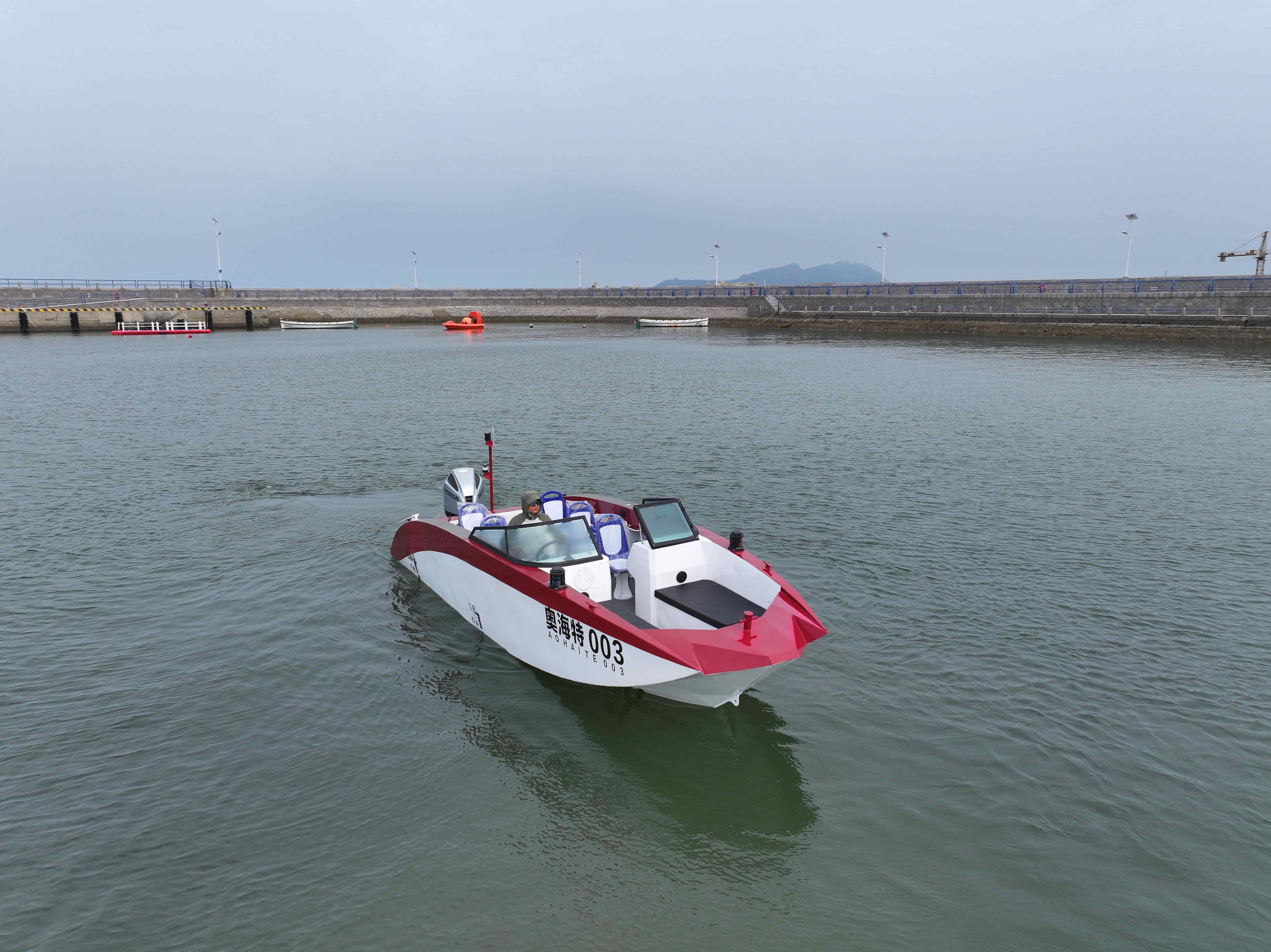
Every captain worth their salt knows that leadership on the water means more than just steering—it's about communicating with clarity and keeping everyone safe. The unwritten code among seasoned mariners is built on a foundation of shared signals, whether you're sounding a horn to indicate your intentions or using hand gestures when radios fail. Understanding these unspoken rules can turn a chaotic harbor into a well-choreographed dance, where each vessel moves with purpose and respect. It's not just about regulations; it's about cultivating an instinct for what others expect, and what they need to see and hear from you.
Light and sound signals are the language of the sea, and misinterpreting them can have serious consequences. A single prolonged blast might announce your departure from a dock, while a series of short blasts can warn of danger or signal disagreement in a passing situation. Learning to read the water itself is part of the code—spotting the subtle flicker of a buoy light out of rhythm, or the distant glow of a vessel's navigation lights that tells you their heading before they're even visible. It's a dialogue without words, where every blink and tone carries a story, and a captain who listens carefully stays one step ahead of trouble.
Beyond equipment and signals, the captain's code is deeply personal. It's about the quiet confidence that comes from preparation, the calmness in your voice over the VHF when the weather turns, and the unflinching rule that no one steps onto the deck without a life jacket properly fastened. It's passing along knowledge to newer sailors not in a lecture, but in a casual moment at the wheel, when you point out how the clouds are building and what that means for the afternoon. Safety isn't a checklist; it's a living habit, woven into every decision from route planning to anchoring in a crowded cove. That's the true code—unwritten, yet followed by all who take the helm seriously.
Skip the Crowds: Booking Secrets for Peak Season
Timing isn’t just about the day you travel—it’s about the hour you book. Tuesdays around 3 p.m. tend to see a dip in fares as airlines adjust pricing for the week, but that’s just the start. Consider setting alerts for early morning or late-night drops, when fewer travelers are competing for the same seats. I’ve noticed that clearing cookies or switching between mobile and desktop can sometimes reveal lower rates, as pricing engines test demand in real time. Even if you’re locked into specific dates, booking a few weeks before or after the true peak can open up availability at quieter, more enjoyable destinations.
Most people fixate on well-known hubs, but nearby alternatives often go unnoticed. Instead of flying into a major city, check if a smaller airport within an hour’s drive offers cheaper and less crowded options. Similarly, look for second-tier towns that share the same regional charm without the tourist congestion. Accommodations in these spots not only save money but also provide a more authentic experience—local hosts are often eager to share hidden gems that never make it into guidebooks. A slight shift in geography can mean the difference between waiting in line for hours and stumbling upon a quiet café with the best espresso you’ve ever had.
Flexibility extends beyond dates and airports—it applies to the very structure of your trip. Breaking a long journey into two segments with a voluntary layover can dramatically reduce costs while letting you explore an extra city at no added airfare. Use tools that let you search for “everywhere” rather than a fixed destination; you might discover that Morocco in September feels just as exhilarating as Italy in August, minus the elbows in your ribs. And when everyone else rushes to book six months ahead, holding your nerve until the six-week mark can sometimes unlock last-minute deals as inventory needs to move. The secret isn’t just early planning—it’s knowing when to wait and when to pounce.
Salt in the Air: What to Pack for a Day on the Waves
The first thing that hits you isn’t the water—it’s the wind, sharp with brine and sun-warmed kelp. A well-packed bag can mean the difference between a day of shivering under a towel and one spent chasing horizon lines. Skip the bulky beach blanket and opt for a microfiber travel mat that shakes free of sand in one flick. Toss in a long-sleeved rash guard that doesn’t chafe after hour three, and remember: the hat that stays on in a gust is the one with a chin strap you actually want to wear.
Sunscreen is sacred, but the greasy, reef-killing stuff stays home. Instead, a zinc stick rubs on like instinct and stays put through wipeouts, leaving a chalky badge of honor across your nose. For the post-surf slump, a thermos of cold-brew tea with a pinch of salt hits better than any sugary sports drink. Pack it next to a bar of hard soap wrapped in a linen offcut—nothing cuts through the sticky residue of salt and sunscreen quite like it.
Don’t underestimate the power of a dry change of clothes sealed in an old bread bag. The ride home shouldn’t feel like a punishment for a perfect session. Everyone remembers the wax, but the clever ones also bring a tiny first-aid kit with waterproof bandages and a sting relief wipe that doesn’t come in a lurid green packet. The sea takes a bite sometimes, and grinning through it is part of the deal.
Island Time: Scheduling Around Tides and Sunset Routes
Out here, the clock on the wall rarely matches the rhythm that matters. Tides dictate when a fishing spot wakes up, when a sandbar emerges for a barefoot walk, and when a lagoon becomes deep enough to explore by kayak. Plans stay loose—scribbled in pencil, not pen—because a two-hour shift in low tide can turn a planned snorkeling trip into a shelling session instead, and nobody complains. Learning to read the water’s breathing becomes second nature, and soon you’ll find yourself glancing at the moon as much as your watch.
Evenings pivot around the sun’s descent, not restaurant reservations. The best dinner spot is wherever the horizon puts on its show, and some routes simply glow better when the light slants low. Locals know which western-facing coves catch the last gold, which cliffs frame the green flash, and which beach bars shake their best cocktails right as the sky deepens. Timing a coastal drive or a paddle back to shore with the sunset isn’t just practical—it turns a commute into a ritual, something you’d never trade for an extra hour of sleep.
Schedules here are suggestions, not commands. The island teaches patience: wait for the tide to turn before launching that skiff, or linger over coffee until the morning haze lifts for clearer views on the cliff trail. There’s a quiet satisfaction in syncing your day with forces bigger than a calendar alarm—letting the pull of the water and the arc of the sun shape the hours. You arrive with a list, but you leave with a sense that the best moments happened in the gaps between plans, where tide and twilight overlapped perfectly.
FAQ
An offshore water taxi is a smaller, faster boat that you hire on demand to take you between islands or coastal spots, unlike a ferry that runs on a fixed schedule and route. Think of it like a private car versus a public bus—taxis give you flexibility to choose your pickup time and drop-off point, often getting you closer to secluded beaches or docks that larger vessels can’t reach. They’re perfect if you’re short on time or want a more personalized trip.
You can usually book through a local operator’s website, a phone call, or even via apps in tourist hubs. When reserving, clearly state your route, number of passengers, and any luggage to avoid surprises. Watch for extra fees like fuel surcharges, docking charges at private islands, or late-night service premiums. Always ask upfront if the quoted price includes everything, and get a written confirmation to keep things honest.
Reputable water taxis follow strict safety protocols—look for licensed operators with life jackets for everyone, including child-sized ones. Skilled captains monitor weather closely and won’t head out if conditions are dangerous. If you’re traveling with kids, choose a taxi with a cabin or shaded area to shield them from sun and spray. Don’t hesitate to ask about the skipper’s experience and the boat’s safety gear before boarding.
That depends on what you’re after. For tropical bliss, the Exumas in the Bahamas or Thailand’s Andaman islands are hard to beat, with water taxis zipping you between crystal-clear coves. In the Mediterranean, the Dalmatian Coast in Croatia and the Greek Cyclades are perfect for hopping between history-packed islands. Closer to home for some, the San Juan Islands in Washington State offer a more rugged, whale-watching-friendly scene. Each spot has a unique vibe, but water taxis open up hidden gems everywhere.
Absolutely, that’s the main draw. Unlike scheduled ferries, you can tweak your route on the fly—spend an extra hour snorkeling a reef, skip a crowded beach, or add a sunset stop. Just chat with the captain in advance; they know the area inside out and can suggest spots you’d never find on your own. Some operators offer themed trips too, like fishing or photography runs.
Pack light but smart. Essentials: reef-safe sunscreen, a quick-dry towel, and a waterproof bag for electronics. Throw in a rash guard for sun protection, a refillable water bottle, and snacks since you might not find shops on tiny islands. A light jacket helps with the wind while moving. If you’re prone to seasickness, take something beforehand—small boats can bounce more than big ferries.
It varies. Since they’re smaller and often use outboard engines, they can be more fuel-efficient per trip than large ferries running half-empty. But it’s not a given—ask if the operator uses four-stroke engines, which are cleaner and quieter, or if they follow any eco-practices like avoiding sensitive reefs. Some areas now have electric water taxis popping up, which are a game-changer for silent, emission-free hopping.
Conclusion
Touching down on an island is thrilling, but the journey isn't over until you've navigated the dockside. Forget rigid itineraries; your real first move is spotting the water taxi stand—usually a weathered boardwalk or a cluster of colorful boats bobbing near the seaplane ramp. These aren't your average city cabs: captains double as skippers and storytellers, their hands fluent in a silent lexicon of waves and wind. Understanding their subtle signals—a raised palm for wait, a looping finger for 'two minutes'—transforms a simple ride into a quiet partnership with the sea. Skip the midday chaos at the ticket booth by booking direct through a local outfit's WhatsApp days ahead; seasoned islanders know that the best runs leave at sunrise or just before sunset, when the light turns molten and the tours have already docked for the day. Always pack light, but don't underestimate the salt: a waterproof jacket and a dry bag for your phone aren't just nice-to-haves—they're your armor against rogue spray and sudden squalls.
Once aboard, steer clear of the herd mentality. While everyone crams onto the 10 a.m. shuttle to the main beach, you'll be sipping coffee on a near-empty stretch of sand, having timed your trip with the tide charts. The real secret isn't just dodging crowds; it's syncing your schedule to the rhythms that govern these waters. Low tide might reveal hidden sandbars perfect for a private picnic, while an evening route lets you chase the last ferry back under a sky streaked with pink and gold. Chat up your captain—they know which coves the guidebooks haven't spoiled, and might just cut the engine so you can drift above a coral garden not found on any map. Every wave-worn seat and salt-crusted cleat tells a story, and the more you listen, the more your island hopping feels less like a transaction and more like a shared ritual. This is offshore water travel stripped of gloss: raw, timely, and deeply personal.
Contact Us
Contact Person: Benny Hu
Email: [email protected]
Tel/WhatsApp: +8618354225697
Website: https://www.allheartmarine.com/