

OEM Roll Forming Machine Supplier: A Complete Guide to Custom Manufacturing Solutions
2026-09-09
Looking for a reliable OEM roll forming machine supplier can feel like navigating a maze—especially when custom manufacturing solutions are on the line. Whether you're scaling up production or chasing a complex profile, the right partner makes all the difference. At Beenew, we don't just build machines; we engineer precision systems tailored to your exact specs. This guide dives deep into what truly sets apart a supplier in the custom roll forming world, from design flexibility to after-sales support. Ready to cut through the noise and find a manufacturing ally that thinks beyond the blueprint? Let's roll.
Defining Your Custom Roll Forming Needs
Before diving into a custom roll forming project, it’s essential to map out exactly what your component must accomplish. Begin by evaluating the end-use environment: will the part face extreme temperatures, corrosive elements, or heavy loads? Such conditions directly influence material choices, from galvanized steel to specialized alloys. Think about the part’s integration with other assemblies—snap fits, weld joints, or fastening points all shape the profile’s cross-section. Skipping this upfront clarity often leads to costly redesigns or compromised performance down the line.
Next, zero in on dimensional tolerances and production volumes. Highly precise components with tight bend radii or hole patterns demand advanced tooling strategies, whereas looser tolerances can simplify the process and reduce costs. Batch size matters too: a one-time prototype run has very different setup considerations than a high-volume order spanning years. Consider whether your quantities will scale over time, as that can impact tooling investments and long-term material sourcing. Balancing these factors early prevents overengineering while ensuring your part remains consistent batch after batch.
Finally, don’t overlook secondary operations and finishing requirements. Many profiles leave the mill needing further processing—think punching, notching, powder coating, or assembly work. Integrating these steps into the production flow from the start avoids bottlenecks and extra handling. Work closely with your manufacturing partner to match their in-house capabilities with your vision; a facility equipped with in-line punching or robotic welding can streamline delivery and maintain tighter quality control. Defining these needs comprehensively at the outset transforms a complex project into a smooth, predictable process.
Evaluating Supplier Engineering Capabilities
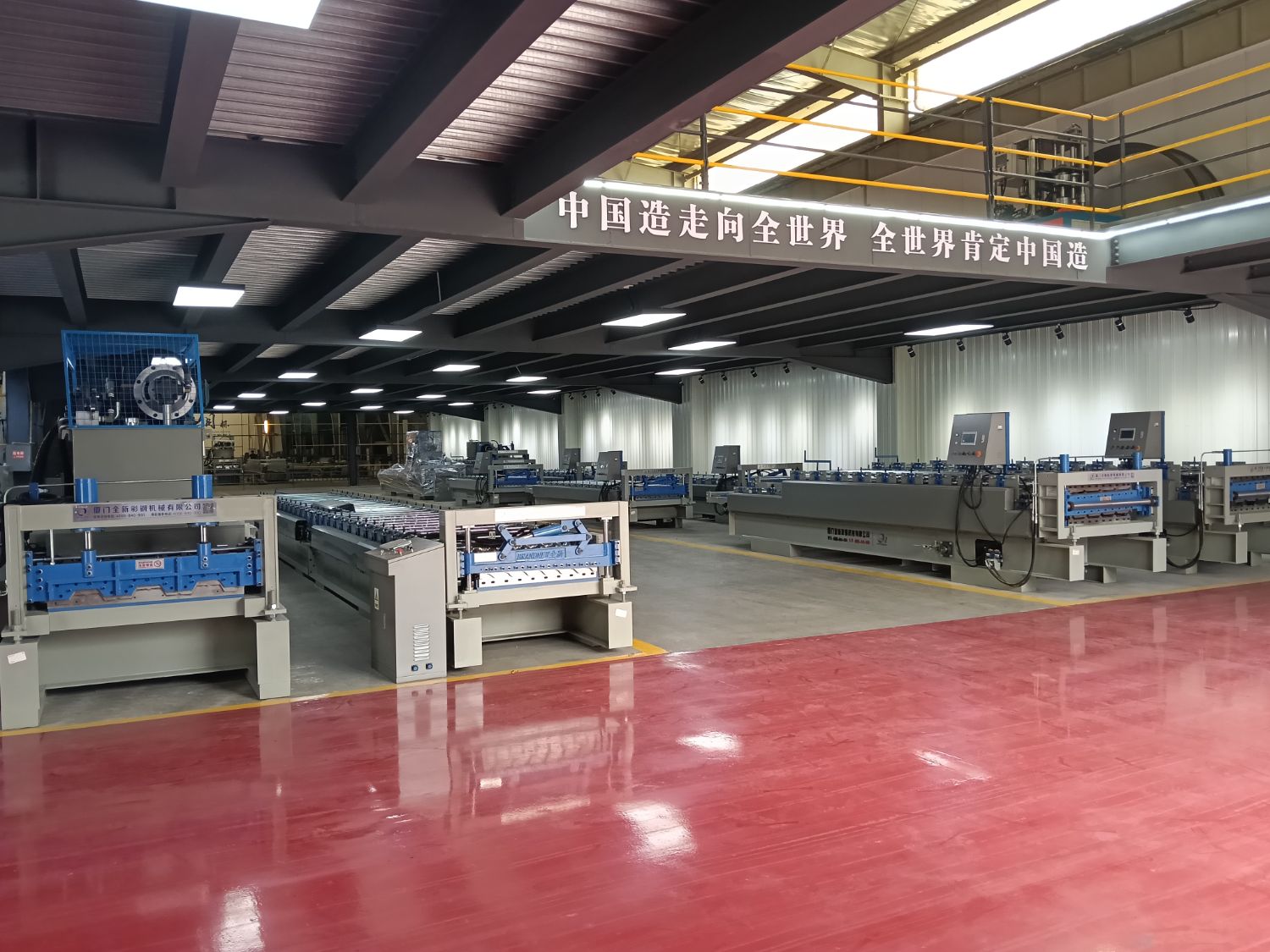
A clear-eyed assessment goes beyond a checklist of certifications or equipment lists. It’s about observing how engineering teams wrestle with ambiguity during early-stage collaboration—do they ask the uncomfortable questions that prevent downstream failures, or do they default to polished presentations that sidestep real hurdles? Watching a supplier’s design review cadence and how they handle conflicting requirements often reveals more than any audit scorecard.
Dig into the granular practices that signal true capability: the way root cause analyses are conducted when things go wrong, the maturity of their simulation and prototyping loops, and whether their engineers actively challenge specifications to optimize for manufacturability. Suppliers that invest in cross-disciplinary upskilling—where mechanical engineers understand electronics constraints, for example—tend to surface integration issues much earlier, turning potential roadblocks into routine problem-solving.
Finally, look beyond the current technical bench strength and evaluate how they sustain engineering excellence over time. Are they tinkering with new materials or processes on their own initiative? Do they maintain a living lessons-learned repository that truly influences new projects? The most resilient partners treat engineering capability not as a static credential, but as a mindset of relentless curiosity and institutional memory that outlives any single project cycle.
Material Selection and Process Optimization
Choosing the right material is rarely a straightforward decision; it demands a deep understanding of how each candidate behaves under specific loading conditions, thermal cycles, and chemical exposures. Engineers often start with broad classes such as metals, polymers, or composites, then narrow the field by comparing yield strength, fatigue limits, and corrosion resistance side by side with cost and availability. The real expertise lies in recognizing when an unconventional choice—like a high‑entropy alloy or a bio‑based composite—can unlock performance that traditional materials simply cannot match.
Once a material is selected, process optimization becomes the lever that turns a good design into a reliable, manufacturable product. Small adjustments in forging temperature, injection speed, or sintering time can drastically alter grain structure, residual stress, and surface integrity. By combining iterative physical trials with simulation tools such as finite element analysis, teams can dial in parameters that minimize defects while maximizing throughput. This marriage of material and process thinking often uncovers creative cost savings and quality improvements that neither discipline could achieve alone.
Quality Assurance and Industry Certifications
We take product integrity seriously at every stage, which is why our facilities operate under rigorous internal protocols that often exceed standard requirements. Each batch passes through layered inspections, from raw material screening to final functionality tests, ensuring that what reaches you is consistent and reliable. Our teams are empowered to halt production if even a minor deviation is spotted, reflecting a culture where quality isn't just a department—it's everyone's instinct.
Beyond in-house measures, we actively pursue and maintain certifications that matter to sectors we serve, such as ISO 13485 for medical devices and IATF 16949 for automotive components. These aren't framed wall decorations; they represent months of external audits, process overhauls, and unannounced surveillance visits that keep us honest. By aligning with internationally respected benchmarks, we give our partners the confidence to integrate our components into life-critical and high-stakes environments without second‑guessing origin or conformance.
What really distinguishes our approach is how we leverage certifications as a springboard rather than a finish line. When we achieve a new standard, we dissect the underlying principles and inject them into adjacent workflows—inadvertently hardening areas the certificate never covered. This cross‑pollination means a customer requesting food‑grade seals might benefit from cleanliness practices initially developed for semiconductor cleanrooms, delivering an unexpected layer of assurance without the premium price tag.
Balancing Cost, Lead Time, and Scalability
Finding the sweet spot between spending, speed, and growth potential rarely comes from a textbook formula. In practice, it often means making peace with trade-offs that shift as the business evolves. A solution that feels lean and fast at prototype stage might crumble under real-world demand if scale wasn't baked into the architecture from the start. The trick lies in understanding which elements can be deferred and which must be over-engineered early—a judgment call that improves only with hindsight and a willingness to revisit past decisions.
Lead time isn't just a vendor metric; it seeps into team morale, customer trust, and the ability to pivot when the market throws a curveball. Shortening it usually demands either higher costs or design compromises that nibble at scalability. Yet dragging it out to save money or perfect the infrastructure can mean missing the window of opportunity altogether. Smart teams treat lead time as a variable to be compressed through better prototyping tooling or modular design, rather than a fixed constraint to be endured.
Scalability, when discussed in isolation, has a dangerous habit of morphing into premature complexity. Real balance comes from accepting that perfect scalability doesn't exist on day one—only adaptable systems do. By building with decoupled components and clear interface boundaries, you create the breathing room to address cost and time pressures in the present while leaving doors open for future growth. This approach demands more upfront communication across disciplines, but it sidesteps the costly mistake of either ignoring scale entirely or engineering for a theoretical billion users that never arrive.
After-Sales Support and Long-Term Partnership
Our commitment extends well beyond the completion of a sale. We understand that the real value of any product lies in its performance over time, and we stand ready to ensure it delivers exactly that. From proactive maintenance checks to rapid-response troubleshooting, our support network operates with a single goal: keeping your operations running smoothly. Whenever a question surfaces or an unexpected challenge arises, you can reach seasoned engineers who know your setup inside out—not a faceless call center.
What truly sets us apart is how we cultivate relationships that grow stronger year after year. Instead of treating every request as a transaction, we prioritize learning the nuances of your business. This ongoing dialogue means we can spot potential improvements before they become problems, and we can adapt our services to match your evolving needs without you having to ask. It’s a partnership built on listening, not just responding.
By embedding ourselves in your long-term plans, we become more than a supplier; we turn into a dependable ally. Whether you’re scaling up, venturing into new markets, or refining internal processes, our team aligns with your trajectory. The result is a relationship where mutual trust reduces downtime, cuts hidden costs, and speeds up innovation—a collaboration that feels less like a service agreement and more like a strategic advantage.
FAQ
An OEM supplier designs, engineers, and builds roll forming equipment tailored to your specific production needs. Instead of offering off-the-shelf machines, they work closely with your team to create a line that forms exact profiles, integrates with existing workflows, and scales with your output targets.
Custom solutions eliminate workarounds. When the machine is built for your exact profile and material, you get faster cycle times, less scrap, minimal secondary operations, and smoother changeovers, all of which directly cut cost per part and boost throughput.
Look beyond the spec sheet. A strong partner will offer engineering support at the design stage, transparency about lead times, a track record in your industry, and the flexibility to adapt as your product line evolves. On-site service and training capabilities also matter a great deal.
Every metal behaves differently under pressure. Springback, ductility, and surface coating all affect how it forms. A supplier that doesn’t account for your exact material risks producing parts with dimensional issues, premature tool wear, or surface defects that can halt an entire run.
Yes, with intelligent design. Many modern systems use quick-change tooling, adjustable stands, or cassette-style setups to switch between profiles in minutes. This makes them viable for manufacturers producing families of similar parts without sacrificing precision.
Automotive, construction, solar energy, racking and shelving, electrical enclosures, and HVAC all rely heavily on custom profiles. Any sector that needs long, consistent metal shapes in high volumes typically sees a fast return on tailored equipment.
It usually starts with your part drawing and production targets. The supplier runs feasibility simulations, suggests material and tooling strategies, and iterates with your engineers until a final line layout is approved. Prototyping and trial runs ensure everything meets specification before final sign-off.
A vendor sells you a machine. A partner invests time in understanding your production floors, growth plans, and pain points. They help optimize the entire process, not just the forming stage, and often provide long-term support that adapts as your business changes.
Conclusion
Partnering with an OEM roll forming machine supplier becomes a strategic advantage when you dig deep into your production requirements right from the start. Instead of settling for off-the-shelf equipment, a truly custom approach examines your part geometry, material specifications, tolerance expectations, and even the factory floor where the machine will operate. Seasoned suppliers don't just ask about your current volumes—they probe into your future scalability needs, helping you avoid costly upgrades later. This upfront dialogue often uncovers creative engineering solutions, like modular tooling setups that allow you to run multiple profiles without excessive downtime, or integrated punching and cutting stations that eliminate secondary operations. The goal isn't just a machine that shapes metal, but a system that seamlessly fits into your entire manufacturing workflow, from raw coil to finished product.
Beyond technical specs, a reliable supplier proves their commitment through rigorous quality protocols, industry certifications, and proactive after-sales support. Look for partners who openly share their material sourcing strategies and process optimization techniques—for instance, how they reduce springback in high-strength steels or maintain consistent cross-sections during high-speed runs. Equally important is their ability to balance cost, lead time, and scalability without sacrificing build quality. The strongest relationships don't end at machine delivery; they extend into on-site training, remote diagnostics, and a ready supply of spare parts that prevents production bottlenecks. When a supplier treats your success as their own, offering engineering adjustments even months after installation, you've found more than a vendor—you've gained a long-term manufacturing ally.
Contact Us
Contact Person: Sophie
Email: [email protected]
Tel/WhatsApp: 8615959271231
Website: https://www.beenew-rollformer.com/