

OEM Disconnector Switch: Essential Safety and Performance in Industrial Applications
2026-01-16
In the high-stakes world of industrial operations, every component counts—especially when it comes to safety and performance. Among these critical elements, the OEM disconnector switch stands out as a linchpin in ensuring reliable power management and operator protection. As industries evolve with smarter technologies and stricter safety standards, understanding the role of these switches becomes more vital than ever. At Lugao, we've seen firsthand how innovations in disconnector design can transform workflows, reduce downtime, and safeguard both equipment and personnel. In this blog, we'll dive into why OEM disconnector switches are indispensable in industrial settings, exploring their key features, benefits, and the cutting-edge solutions that set them apart. Whether you're a seasoned engineer or new to the field, get ready to discover how these devices not only meet but exceed the demands of modern applications, making them essential tools for any forward-thinking operation.
Introduction to OEM Disconnector Switches in Industrial Safety
OEM disconnector switches serve as critical components in industrial safety systems, providing a reliable means to isolate electrical equipment during maintenance or emergencies. These devices are engineered to meet stringent standards, ensuring they can handle high voltage and current loads while maintaining operational integrity. By integrating such switches into machinery, manufacturers enhance worker protection and reduce the risk of electrical hazards in demanding environments.
In practice, these switches offer intuitive operation with clear visual indicators, such as color-coded handles or position markers, to prevent accidental re-engagement. Their robust construction, often featuring sealed enclosures and durable materials, allows them to withstand harsh conditions like dust, moisture, or extreme temperatures. This adaptability makes them a versatile choice for applications ranging from manufacturing plants to renewable energy installations.
Beyond basic functionality, modern OEM disconnector switches incorporate advanced features like auxiliary contacts for system monitoring or interlocking mechanisms that ensure safe sequences of operation. By prioritizing these innovations, industries can not only comply with safety regulations but also optimize equipment uptime and maintenance efficiency, fostering a proactive approach to workplace safety.
Safety Features and Operational Advantages of Disconnector Switches
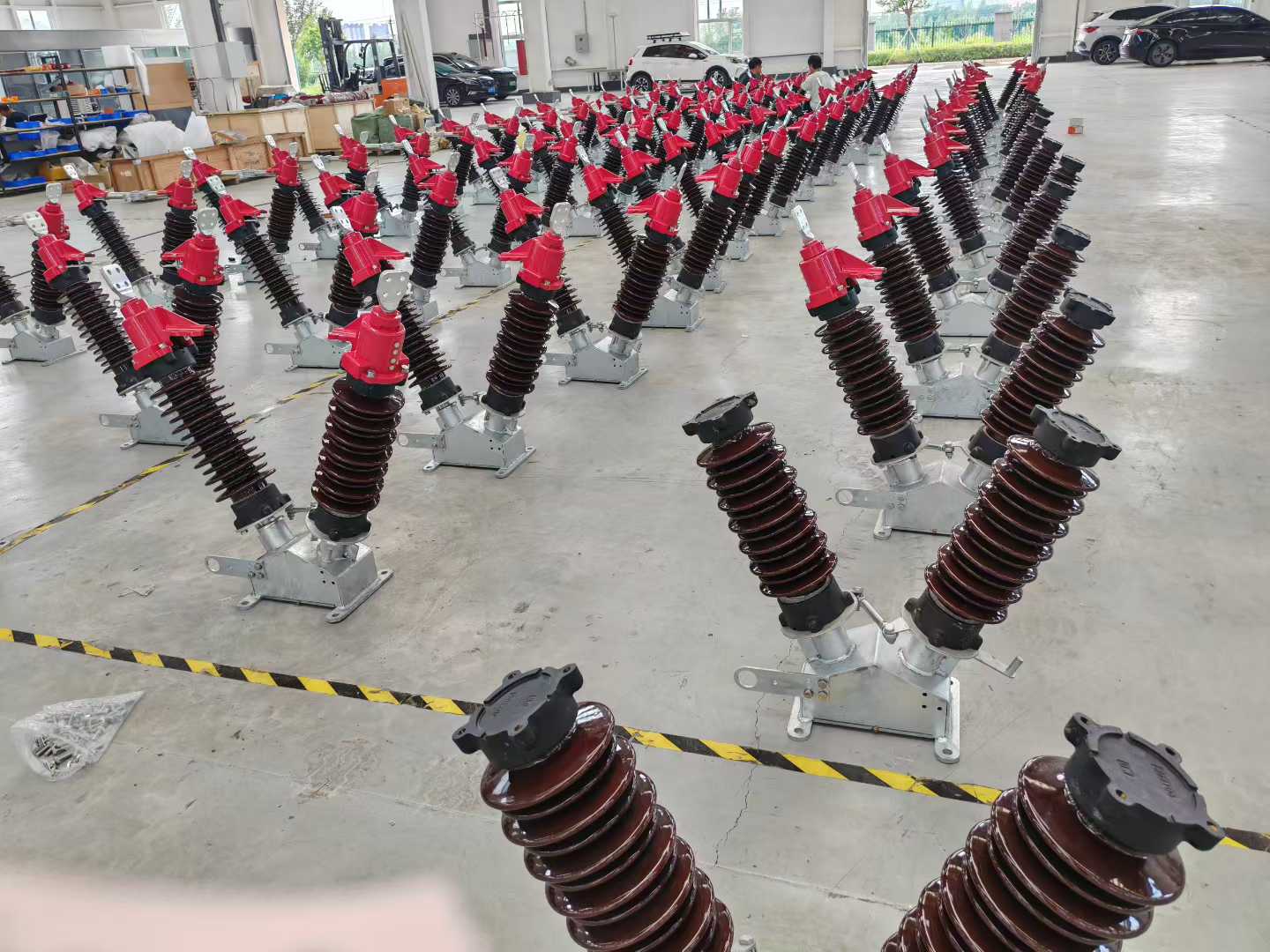
Disconnector switches are engineered with critical safety features that ensure reliable operation in demanding environments. Key elements include visible blade contacts that provide a clear indication of the switch's open or closed status, preventing accidental energization. Many models incorporate robust interlock mechanisms to block improper operation, such as preventing switch opening under load, which reduces the risk of dangerous arc flashes. High-voltage versions often feature additional insulation and grounding provisions to protect personnel during maintenance, while corrosion-resistant materials enhance longevity in harsh conditions. These safety aspects not only minimize hazards but also comply with industry standards like IEC and ANSI, making disconnector switches indispensable in applications where operational integrity is paramount.
On the operational front, disconnector switches offer significant advantages that streamline workflows and reduce downtime. Their simple, manual operation allows for quick isolation of circuits without complex controls, saving time in emergency shutdowns or routine maintenance. Unlike circuit breakers, they are typically designed with fewer moving parts, which translates to lower maintenance costs and greater reliability over long periods. Some advanced designs include remote or automated capabilities, enabling operators to manage switches from a safe distance in hazardous locations. This combination of ease-of-use and durability not only boosts operational efficiency but also supports flexible installation in various configurations, from industrial plants to renewable energy systems.
Beyond basic functionality, modern disconnector switches stand out with features tailored to specific industries, enhancing their utility. For instance, in renewable energy installations, specialized switches may include weatherproof enclosures and UV-resistant components to withstand outdoor exposure, ensuring uninterrupted power flow from solar or wind farms. In data centers, compact and silent models are available to fit tight spaces without emitting disruptive noise. These customized options demonstrate how manufacturers innovate to meet unique challenges, making disconnector switches not just a standard component but a versatile solution that adapts to evolving operational needs while maintaining top-notch safety.
Enhancing Equipment Performance with Reliable Disconnect Solutions
Imagine a scenario where equipment unexpectedly halts due to an electrical overload, causing costly downtime. Reliable disconnect solutions step in as unsung heroes, ensuring smooth operation by safely isolating power when needed. These devices, like circuit breakers and switches, aren't just safety features; they actively boost performance by preventing damage and enabling quick maintenance without shutting down entire systems.
What sets effective disconnect solutions apart is their precision and durability. Unlike basic components that might fail under stress, top-tier disconnects integrate smart technologies, such as real-time monitoring and automatic fault detection. This allows operators to predict issues before they escalate, keeping machinery running at optimal levels and reducing unplanned interruptions that drag on productivity.
In practice, reliable disconnects translate to tangible benefits: extended equipment lifespan, lower energy waste, and enhanced safety for workers. By choosing robust disconnects tailored to specific operational demands, industries can move beyond mere compliance, turning electrical systems into performance drivers that deliver consistent, high-quality output day in and day out.
Customization Options for OEM Applications and Versatility
When it comes to OEM solutions, the key to success often lies in flexibility—something we prioritize by offering extensive customization options. Whether you're integrating our technology into a new product line or enhancing an existing application, we make it straightforward to tailor components exactly to your specifications. This approach ensures seamless compatibility and a perfect fit for diverse hardware and software environments, empowering partners to innovate without constraints. By collaborating closely during the design phase, we address unique challenges, from performance tweaks to aesthetic adjustments, making every solution feel bespoke.
Versatility isn't just about adapting to different systems; it's about future-proofing your investments. Our customization framework supports a wide range of use cases, from industrial automation to consumer electronics, allowing for scalable modifications as your needs evolve. We've seen clients leverage these options to differentiate themselves in crowded markets, whether by adding specialized features or optimizing for local regulations. It's this adaptability that transforms standard offerings into competitive advantages, enabling rapid deployment and reduced time-to-market across varied applications.
Beyond technical adjustments, our customization process emphasizes user-centric design, ensuring that versatility translates into practical benefits. By incorporating feedback loops and iterative testing, we refine each application to deliver intuitive interfaces and reliable performance. This holistic approach means partners can offer products that not only meet but exceed customer expectations, fostering long-term loyalty. In essence, we view customization as a partnership journey—one that enhances both functionality and market relevance, making our solutions a versatile cornerstone for any OEM project.
Installation and Maintenance Insights for Long-Term Reliability
Installation isn't just about getting a system up and running; it's the first step in ensuring years of dependable performance. For long-term reliability, careful planning during installation is key. This means selecting the right location, following manufacturer guidelines, and using quality components. Best practices, such as proper alignment, secure mounting, and correct wiring, can prevent common issues like wear and tear, vibrations, or electrical failures from the start. Taking the time to do it right initially pays off with fewer headaches down the line.
Regular maintenance is where the real magic happens for keeping things reliable over time. It's not about fixing problems after they occur but proactively checking and servicing components to avoid them altogether. Establishing a routine maintenance schedule helps catch minor issues early, such as loose connections or debris buildup, before they escalate into major failures. Using tools like diagnostic software or visual inspections can make this process efficient. By staying ahead of potential breakdowns, you extend the lifespan of the system and reduce unexpected downtime.
Combining smart installation with consistent maintenance creates a robust framework for long-term reliability. Consider factors like environmental conditions, usage patterns, and technological advancements to tailor your approach. For instance, updating firmware or calibrating sensors periodically can adapt the system to changing needs. Embrace a holistic view that sees installation as a foundation and maintenance as an ongoing commitment. This integrated strategy not only boosts performance but also enhances safety and efficiency, making it a standout approach in any field.
Market Trends and Innovation in Disconnector Switch Technology
The disconnector switch landscape is experiencing a subtle yet profound shift, driven by an overarching demand for smarter, more resilient power infrastructure. While traditional models have long served as reliable workhorses in electrical systems, recent trends highlight a move towards integrated solutions that blur the lines between simple isolation and comprehensive system management. This evolution is particularly evident in the growing adoption of IoT-enabled switches, which facilitate real-time monitoring and predictive maintenance, thereby reducing downtime and operational costs. Additionally, there's a noticeable push for compact designs that maintain high-performance standards without sacrificing space, catering to urban and renewable energy installations where footprint is a critical factor.
Innovation in this sector isn't just about incremental upgrades; it's redefining what these devices can achieve. For instance, the development of hybrid disconnector switches combines traditional mechanical isolation with advanced semiconductor technology, offering faster switching speeds and enhanced safety features like arc suppression in challenging environments. Companies are also experimenting with materials such as graphene-based composites to improve conductivity and durability, addressing issues like corrosion and wear that have plagued older models. These advancements are not merely technical curiosities—they're practical responses to global challenges like grid modernization and the integration of volatile renewable sources, making disconnector switches more adaptable and future-proof.
Looking ahead, the trajectory for disconnector switch technology seems poised to embrace greater autonomy and interoperability. Emerging trends include the incorporation of AI algorithms for self-diagnosis and adaptive performance tuning, allowing switches to optimize their operation based on real-time grid conditions. Moreover, there's a growing emphasis on sustainability, with innovations focused on reducing environmental impact through energy-efficient designs and recyclable components. This holistic approach ensures that as power networks become more complex, disconnector switches evolve from passive components into active contributors to system stability and efficiency, setting a new benchmark for reliability in an increasingly electrified world.
FAQ
An OEM disconnector switch is a safety device used in industrial settings to physically isolate electrical circuits, ensuring safe maintenance and preventing accidental energization during operations.
It provides a visible break in the circuit, allowing workers to verify isolation before servicing equipment, reducing risks of electric shock or equipment damage.
Key features include high durability under harsh conditions, reliable switching mechanisms, and compliance with industry safety standards like IEC 60947-3.
Yes, manufacturers often offer customization options such as varying voltage ratings, enclosure types, and auxiliary contacts to suit different machinery and environments.
While circuit breakers protect against overloads and short circuits, disconnector switches are designed primarily for isolation and manual operation without automatic tripping functions.
Regular inspection for wear, cleaning of contacts, and testing of mechanical operation are advised to ensure long-term reliability and safety compliance.
Reputable suppliers ensure quality materials and rigorous testing, reducing failure risks and enhancing system uptime in critical industrial processes.
Conclusion
OEM disconnector switches are pivotal components in industrial applications, where they ensure both safety and operational efficiency. These switches serve as critical isolation devices, allowing for the safe disconnection of electrical circuits during maintenance or emergencies, thereby preventing accidental energization and reducing the risk of electrical hazards. By incorporating robust safety features, such as positive contact separation and high dielectric strength, disconnector switches enhance workplace safety while complying with stringent industrial standards. Their operational advantages include quick and reliable switching, which minimizes downtime and boosts productivity in demanding environments like manufacturing plants and power distribution systems.
Furthermore, the versatility of OEM disconnector switches extends to customization options, enabling tailored solutions for specific applications, from compact designs for tight spaces to high-voltage variants for heavy-duty use. Proper installation and maintenance are essential for long-term reliability, involving regular inspections and adherence to manufacturer guidelines to prevent failures. As market trends evolve, innovations in materials and smart technologies, such as IoT integration, are driving more efficient and resilient disconnect solutions. This continuous advancement underscores their indispensable role in enhancing equipment performance and safety across diverse industrial sectors, making them a cornerstone of modern industrial infrastructure.
Contact Us
Contact Person: Doreen
Email: [email protected]
Tel/WhatsApp: 8618057712366
Website: https://www.liugaopower.com/