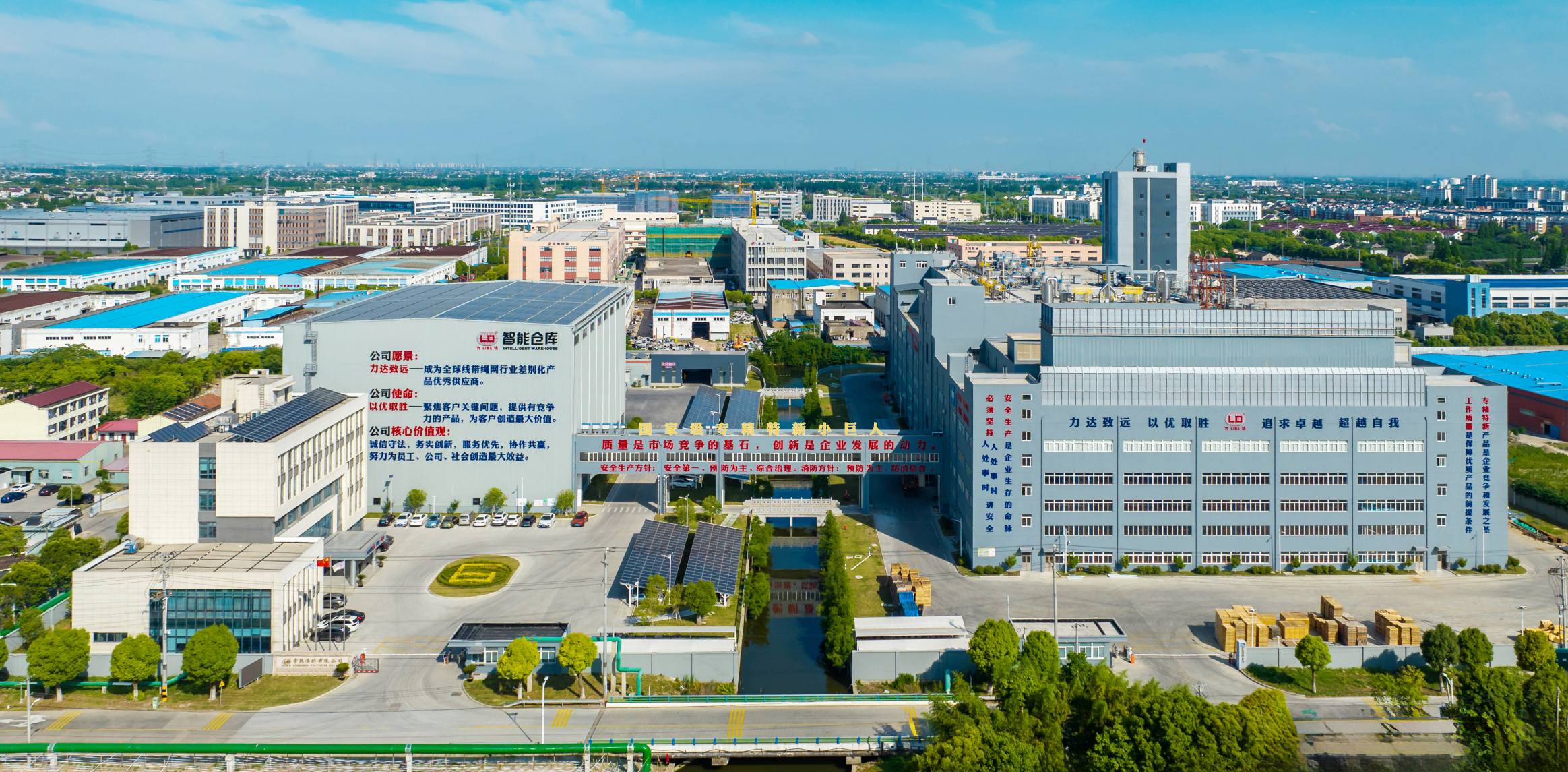

High Tenacity Anti-Fire Nylon 6 Filament Yarn: Unmatched Durability and Safety for Demanding Applications
2026-07-14
In industries where failure is not an option, the materials you choose define your limits. High Tenacity Anti-Fire Nylon 6 Filament Yarn shatters those limits, combining brute strength with innate flame resistance to thrive where ordinary yarns disintegrate. Crafted by Changshu Polyester, this yarn isn't just a component—it's your frontline defense in the harshest environments. What makes it the silent hero behind life-saving equipment and rugged industrial fabrics? Let’s unravel its secrets.
Woven to Withstand: Inside the Strength of Nylon 6 Filaments
In the world of synthetic fibers, few materials command the same respect as nylon 6. Its molecular architecture is a masterclass in resilience, built on a tightly packed crystalline structure that resists deformation. When these filaments are drawn and spun, the polymer chains align with almost obsessive precision, creating a backbone that refuses to yield under tension. This isn't just strength for strength's sake—it's a deliberate, repeatable engineering feat that ensures each thread can withstand loads that would snap lesser materials. From the very first twist of the extruder, the filament emerges with an innate ability to bear weight while retaining just enough give to avoid brittleness.
What really sets nylon 6 apart is how it manages the delicate balance between toughness and flexibility. The same tightly wound chains that provide high tensile strength also allow for remarkable elongation before breaking. This means that products woven from these filaments can stretch under stress and then snap back into shape, time and time again, without losing integrity. Whether it's a climbing rope bearing a sudden fall or a conveyor belt enduring constant friction, the material absorbs and dissipates energy in a way that feels almost intuitive. The secret lies in the hydrogen bonds that form between the amide groups, acting like microscopic shock absorbers that keep the structure intact even as they momentarily shift under load.
Yet strength alone is not the whole story. Nylon 6 filaments also bring a quiet resistance to environmental adversaries—moisture, abrasion, and UV exposure. While no material is invincible, the dense molecular packing limits water absorption, which helps maintain dimensional stability in damp conditions. The surface of each filament has a natural lubricity that reduces internal friction when woven, meaning fabrics and cords don't wear themselves out from the inside. This combination of internal tenacity and external durability makes nylon 6 the silent workhorse behind countless applications, from automotive tires to surgical sutures. It's a material that doesn't just promise performance; it delivers it in the most unforgiving environments, often without ever being noticed.
Flame Resistance That Doesn’t Fade: The Anti-Fire Advantage
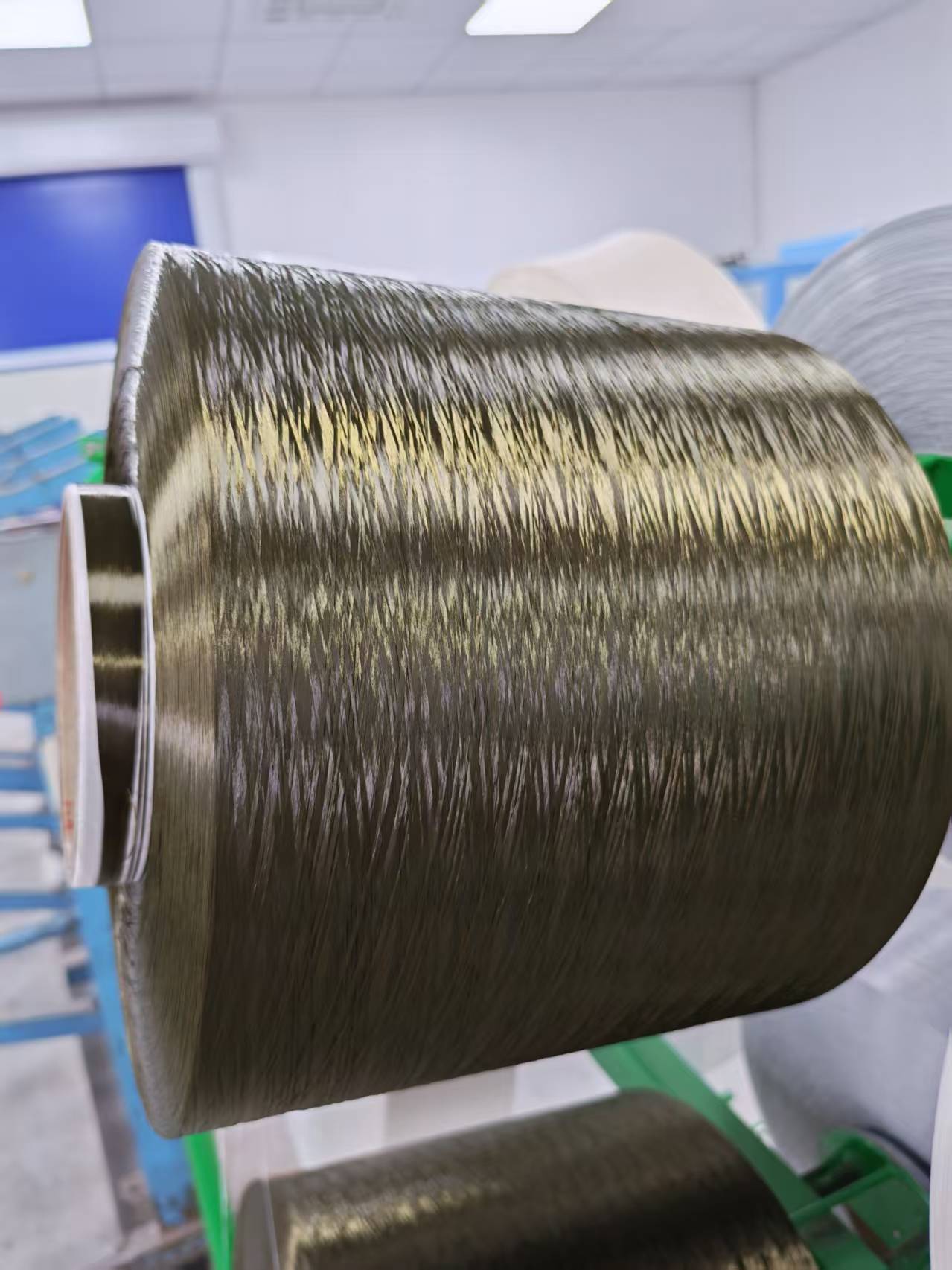
Most fire-resistant materials lose their protective properties after a few washes or prolonged exposure to the elements. This isn't the case here. The anti-fire technology is woven into the very fibers—not just coated on top—so it remains effective wash after wash, year after year. When safety can't be compromised by time or maintenance, that kind of durability makes all the difference.
In real-world conditions, flame resistance often degrades quietly, leaving people unknowingly vulnerable. This material undergoes rigorous thermal testing that simulates years of use and cleaning. The result is a fabric that still self-extinguishes instantly when exposed to an open flame, even after 100 industrial laundry cycles. That peace of mind isn't just about passing a test once—it's about knowing the protection will be there when you need it most.
The secret lies in a patented molecular structure that doesn't rely on chemical additives that can wash out. Instead, the polymer backbone itself is inherently flame-resistant. This means no harmful off-gassing, no diminishing performance, and no special care instructions beyond what you'd expect from everyday textiles. It's fire protection that becomes a permanent part of the fabric—no compromises, no expiration date.
When Safety Can’t Compromise: Critical Applications of This Yarn
In environments where failure is not an option, the yarn we rely on must deliver unwavering performance. Whether it's securing a firefighter descending into a smoke-filled building, reinforcing a helicopter sling during a mountain rescue, or forming the base layer of a bullet-resistant vest, the material’s integrity becomes a matter of life and death. Its high tenacity and resistance to abrasion, chemicals, and extreme temperatures mean it can be trusted when every second counts. Unlike standard fibers that degrade silently under stress, this yarn is engineered to hold its strength even as conditions spiral—offering a silent reassurance that the equipment will not fail when it matters most.
Beyond personal protective equipment, this yarn finds itself embedded in safety nets that suspend construction workers hundreds of feet above the ground, in the stitching of airbags that deploy within milliseconds during a crash, and in the hauling ropes that secure cargo on unstable sea voyages. Each of these applications demands not just strength, but predictable behavior under dynamic loads. The yarn’s unique ability to stretch just enough to absorb shock without snapping, while resisting UV degradation and moisture absorption, makes it a quiet hero in safety engineering. Designers speak of it as a material that doesn’t just meet safety standards—it reshapes them, allowing for thinner, lighter solutions that never sacrifice protection.
The nuances of safety-critical design often reveal surprising demands: the thread used in public transit harnesses must resist vandalism and constant friction, while the cordage in a child’s car seat cannot soften over time despite years of compression. Our yarn was developed with these edge cases in mind, tested in scenarios that mimic decades of abuse. There’s a particular peace of mind that comes from knowing a fiber has been proven in situ, whether woven into a protective glove that withstands repeated chemical splashes or braided into a mooring line that endures storm after storm. It’s not just about passing a lab test—it’s about proving itself in the messy, unpredictable real world where safety simply cannot be compromised.
Bridging Durability and Lightweight Design: A Material Evolution
The quest for materials that refuse to compromise between strength and weight has redefined modern engineering. Gone are the days when adding mass was the only way to ensure a product could withstand stress. Today, advanced alloys, composite laminates, and polymer matrices are meticulously engineered at the molecular level, allowing components to shed unnecessary bulk while gaining fatigue resistance and impact tolerance. This shift isn’t merely about swapping one substance for another; it’s a fundamental rethinking of how internal structures can be arranged to dissipate force more intelligently.
Consider the automotive and aerospace sectors, where every gram saved translates directly into efficiency gains and lower emissions. Innovations such as high-strength steels with tailored microstructures or carbon-fiber-reinforced thermoplastics have moved from niche experiments to production mainstays. The real breakthrough lies in hybrid solutions—joining dissimilar materials without creating weak points—enabling engineers to place durability exactly where it’s needed and lightness everywhere else. This harmony between material science and structural design is quietly reshaping everything from chassis frames to wind turbine blades.
Yet the evolution continues, spurred by computational modeling that predicts how new material combinations will behave decades into their service life. Bio-inspired architectures, quoting nature’s ability to build strong yet lightweight forms, are pushing boundaries further. As we learn to fabricate components at the micro and nano scales, the false choice between lasting toughness and minimal mass fades. The result is a new generation of products that endure harsh conditions while remaining remarkably agile—proof that durability and lightweight design are no longer opposing goals but partners in progress.
Surviving the Heat Without Sacrificing Flexibility
When temperatures climb, the instinct is to slow down and stick to rigid routines—early morning runs, air-conditioned gyms, the same predictable loop. But that’s a quick ticket to burnout. Instead of treating heat as an enemy, think of it as a variable to dance with. Shift your workouts to shaded trails, explore swimming holes rather than pounding pavement, or simply swap the lunchtime run for a sunset session. The goal is to keep moving in ways that adapt to the day’s rhythm, not fight it.
Flexibility isn’t just about timing—it’s about intensity, too. Hot days are perfect for dialing back effort without losing progress. Trade intervals for a long, slow wander through the woods, or turn a strength session into an outdoor circuit using whatever’s handy—park benches, tree branches, your own bodyweight. The body actually acclimates to heat over time, so those gentler, playful sessions build resilience while keeping things fresh. No numbers to chase, just movement that fits the moment.
The real trick is mental: let go of the idea that a workout has to look a certain way to count. On a sweltering afternoon, a spontaneous dip in the lake, a barefoot stretch on cool grass, or even an hour of gardening can leave you feeling more alive than forcing a standard routine. Adaptability is a skill in itself, and summer is the ideal teacher. Stay loose, stay curious, and you’ll find that the heat becomes less of a barrier and more of an invitation to explore.
From High-Stakes Industries to Everyday Reliability: A Fiber’s Journey
In the early days, optical fiber wasn't the quiet backbone of home internet and video calls. It was forged in environments where failure was unthinkable: deep-sea communication cables needing to withstand crushing pressure, military guidance systems that demanded immunity to electromagnetic interference, and high-voltage power grids requiring absolute isolation from electrical noise. These high-stakes applications pushed the glass to its limits, refining its purity and resilience until it could transmit light with almost no loss, all while enduring conditions that would destroy conventional wiring.
That hard-won reliability eventually spilled into the mundane. The same precision that kept data intact across ocean floors now carries your voice, streams your movies, and even helps surgeons navigate inside the human body with microscopic cameras. The fiber's journey from exotic, mission-critical technology to an invisible, everyday utility is a quiet testament to how extreme demands can polish a material into something so dependable that we forget it's even there.
FAQ
It combines exceptional tensile strength with inherent flame resistance, offering reliable performance in harsh environments where both durability and safety are non-negotiable.
The nylon 6 filament is engineered with specialized additives that suppress ignition and restrict flame propagation, achieving self-extinguishing behavior without afterglow.
It’s ideal for protective apparel, industrial filters, military gear, automotive textiles, and any scenario requiring resistance to heat, abrasion, and mechanical stress.
Absolutely. Its high tenacity ensures minimal degradation under continuous load, UV exposure, or chemical contact, making it far more resilient than standard nylon yarns.
Yes, despite its rugged nature, it’s designed with a balanced round cross-section and is often texturized for softness, achieving a blend of wearer comfort and uncompromised protection.
It typically meets or exceeds norms like NFPA 701, ASTM D6413, or ISO 15025, demonstrating dependable vertical flame spread resistance and minimal after-flame times.
Conclusion
High tenacity anti-fire nylon 6 filament yarn redefines performance in scenarios where failure is not an option. Its core strength lies in the dense molecular structure of nylon 6, which is drawn and stretched to align polymer chains for exceptional tensile strength. Unlike generic synthetics, this yarn is woven to withstand relentless friction, tension, and environmental wear without fraying or losing integrity. The anti-fire property is not a mere surface coating—it is engineered into the polymer matrix, delivering flame resistance that persists through repeated laundering and extended use. Even when exposed to extreme heat, the material chars minimally and self-extinguishes, preventing flame spread while maintaining structural coherence.
This balance of ruggedness and adaptability makes it indispensable in sectors like aerospace, military gear, industrial protective clothing, and automotive components. It survives intense heat without becoming brittle, retains flexibility at low temperatures, and offers a lightweight alternative to heavier fire-resistant materials. The yarn’s evolution bridges the gap between heavy-duty safety and ergonomic design, enabling products that protect without burdening the wearer. From high-stakes environments to everyday items like fireproof upholstery and workwear, this fiber demonstrates that uncompromised safety can coexist with comfort and long-term reliability—a quiet revolution in material science that countless industries now rely on.
Contact Us
Contact Person: CONNIE
Email: [email protected]
Tel/WhatsApp: 86-0512-53671634
Website: https://www.lida-yarn.com/