

Healthcare Thermal Printable Wristband Distributor: Selecting the Right Partner for Patient Safety
2026-06-13
In the fast-paced world of healthcare, every second counts—and that includes the seconds spent verifying patient identities. Thermal printable wristbands have become a frontline defense against medical errors, but the true safeguard lies in the hands of your distributor. Enter BAOBI, a partner that redefines reliability in patient safety. Choosing the right supplier isn’t just about logistics; it’s about trusting that every wristband is engineered to withstand the rigors of clinical life while remaining crystal clear from admission to discharge. So, what separates a standard provider from a safety-driven ally? Let’s peel back the layers and explore how BAOBI is setting new benchmarks in this critical niche.
Patient Safety Rests on Wristband Reliability
A hospital wristband does more than just identify a patient—it serves as a lifeline connecting every caregiver to the right person at the right moment. When that slim band is smudged, faded, or torn, the cascade of errors can begin with a simple misread. From medication mix-ups to wrong-site procedures, the consequences ripple outward, proving that even the most advanced healthcare systems crumble without a reliable wristband anchoring each step.
The reality is that wristbands face harsh conditions daily: exposure to hand sanitizers, bodily fluids, constant friction, and repeated scanning. A band that loses its barcode clarity or printed text halfway through a patient’s stay transforms from a safety tool into a hidden risk. Nurses who struggle to scan a wrinkled wristband might resort to workarounds, manually entering data and unknowingly bypassing the safeguards meant to protect the patient. This isn’t a technology failure—it’s a reliability gap that demands stronger materials and smarter design.
Forward-thinking facilities are now treating wristband selection as a critical patient safety decision, not a commodity purchase. They test bands for real-world endurance—submerging them in alcohol gel, stretching them, scanning them dozens of times—before approving any product. Because when the band stays intact and legible from admission to discharge, it silently prevents the errors that never make the headlines. In the quiet hum of a busy ward, that reliability is everything.
Evaluating Your Distributor's Quality Track Record
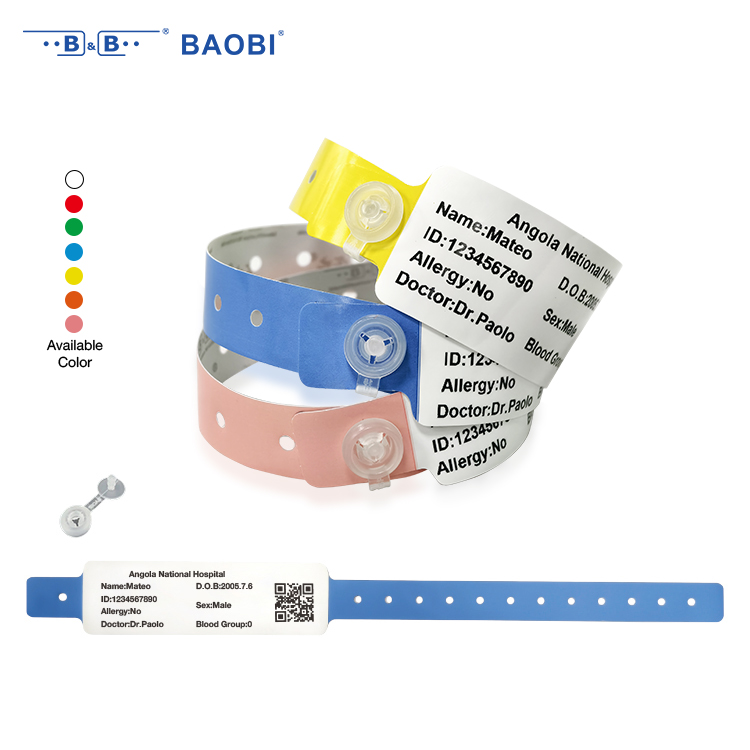
You can't rely on a distributor's word alone when it comes to quality. Digging into their actual track record gives you the real story. Look beyond the shiny marketing claims and focus on how they've handled problems in the past. A distributor with a solid quality history owns their mistakes and can show you clear evidence of corrective actions, not just a log of complaints.
Pay attention to patterns in their performance data: do delays spike during certain seasons, or do product returns cluster around specific items? These nuances tell you whether they're truly in control or just lucky. Ask for specific examples of how they've caught quality issues before they reached you—the ones who invest in real-time monitoring and supplier audits tend to catch things early.
Finally, talk to someone who's worked with them long-term. A distributor's commitment to quality becomes evident over time, not in a single flawless quarter. You want a partner who treats your standards as a shared ongoing project, not a one-time checkbox.
Materials That Withstand Hospital Realities
Hospital environments are unforgiving—constant disinfection with harsh chemicals, heavy foot traffic, and the ever-present risk of contamination demand materials that refuse to degrade. From flooring that resists staining and microbial growth to countertops that shrug off repeated exposure to quaternary ammonium compounds, the choice of surface materials directly impacts both longevity and patient safety. Solid surfaces like high-pressure laminate with polyurethane topcoats outperform traditional materials by maintaining their integrity even when scrubbed multiple times a day.
Beyond durability, the best materials incorporate seamless joints and non-porous textures to eliminate crevices where pathogens might linger. Stainless steel remains a staple for its corrosion resistance and ease of sanitation, yet newer alternatives like copper-infused polymers actively kill microbes on contact. These innovations extend to furniture upholstered in fluid-resistant fabrics that prevent absorption, a critical feature in settings where spills are routine and turnaround time between patients is tight.
Cost-effectiveness over the lifecycle is equally crucial. While initial investment in premium materials like sintered stone or dense fiberglass might be higher, their ability to withstand the endless cycle of cleaning, impact, and chemical exposure without cracking or fading reduces replacement frequency. In the long run, selecting materials that truly match hospital realities minimizes downtime in critical areas like operating rooms and ICUs, where every square inch is expected to perform flawlessly around the clock.
Custom Wristbands to Match Clinical Workflows
In busy hospital environments, standard-issue wristbands often fall short of actual care demands. We work directly with nursing directors and lab managers to design wristbands that map onto real workflows—like using tear-off tabs for timed blood draws or color-coded edges that signal fall-risk status at a glance. These aren’t just cosmetic changes; they reduce repetitive scanning steps and cut down on the small frictions that slow a shift.
Integration matters as much as form. Our bands embed scannable codes that sync with your EMR, so a quick swipe at the bedside pulls up the patient’s chart without extra logins. Custom layouts place allergy alerts or isolation icons exactly where staff expect to see them, avoiding the mental gymnastics of hunting through screens. It’s a quieter kind of efficiency—one that lets clinicians focus on the person, not the process.
From Wristband to Record: Seamless Data Flow
Data no longer gets stranded on your wrist. A modern health wristband captures a stream of vitals—heart rate, sleep patterns, activity levels—and instead of requiring you to sync or manually log anything, that information quietly travels into your personal health record. The handoff is almost invisible: the moment you’re in range of your phone or a dedicated hub, encrypted packets flow from the device to the cloud and then slot into the right fields of your digital chart. No cables, no button taps, no waiting. It’s the kind of silent automation that turns a wearable into a true extension of your care team’s eyes and ears.
This effortless data flow changes how clinicians interpret the numbers. Instead of relying on a snapshot from a sporadic office visit, they can view a continuous narrative of your physiology. The record updates itself throughout your day, so by the time you sit down for a consultation, your doctor already has a clear picture of trends, anomalies, and recoveries. It bridges the gap between what the wristband measures and what the medical record reflects—reducing transcription errors, flagging potential issues early, and making remote monitoring feel less like a detached gadget and more like a thread woven tightly into your overall care.
Forging a Partnership Focused on Safety
Building a genuine safety culture goes beyond checklists and protocols—it demands a relationship where trust and accountability run both ways. When organizations and their partners fully invest in each other's well‑being, safety transforms from a compliance requirement into a shared value. This kind of partnership begins with honest conversations about what safety really means on the ground, not just in policy documents. It means listening to frontline concerns without judgment, and acting on them with visible commitment.
Such collaboration reshapes how risks are identified and managed. Instead of one side dictating rules, both parties bring their distinct perspectives to the table, uncovering blind spots that neither would see alone. Regular, informal check‑ins often prove more valuable than formal audits, because they create space to discuss near‑misses and subtle hazards without fear of blame. Over time, this openness breeds a collective intuition—teams start watching out for each other instinctively, and improvements come from within rather than being imposed.
Ultimately, a safety‑focused partnership carves out a clear competitive advantage that runs deeper than cost savings. It attracts talent who want to work in environments where they feel genuinely protected, and it builds client confidence through consistent, incident‑free delivery. The most resilient alliances aren’t those that simply avoid accidents—they’re the ones that, after every project, both sides walk away knowing they’ve made each other better at keeping people safe. That mutual growth becomes the foundation for everything else they achieve together.
FAQ
A reliable distributor ensures wristbands have consistent print quality and adhesion, preventing barcode scans from failing at critical moments. This directly reduces mismatched records or medication errors, safeguarding patients throughout their stay.
Beyond price, examine material durability under water, hand sanitizers, and extended wear. Check if the distributor offers free sample testing, provides batch consistency guarantees, and has contingency plans for supply disruptions.
Smudged or peeling wristbands can render patient IDs unreadable. Durable, chemical-resistant bands maintain clear text and barcodes from admission to discharge, cutting the risk of delayed treatments or misidentification during emergencies.
Faint or irregular thermal prints lead to scanner failures at blood draws, drug administration, or surgery checkpoints. A distributor that certifies its media’s image stability ensures every scan is fast and accurate, even under harsh lighting.
The right partner provides documentation proving wristbands meet HIPAA, FDA, or ISO standards. This helps hospitals demonstrate chain of custody and patient data integrity during inspections without scrambling for paperwork.
A just-in-time inventory model with local warehousing or guaranteed lead times keeps emergency departments stocked. Some distributors also offer auto-replenishment based on usage data, preventing last-minute crises.
Labor and delivery might need softer, antimicrobial bands, while ED requires extra-long barcode labels. A responsive distributor can customize materials, sizes, and pre-printed templates without long delays, streamlining workflows hospital-wide.
Conclusion
When patient safety is at stake, every component of care must function flawlessly—starting with something as fundamental as a wristband. The reliability of thermal printable wristbands directly impacts accurate identification, medication administration, and treatment tracking. A distributor that consistently delivers wristbands engineered for durability ensures that critical information remains legible under harsh hospital conditions. This means selecting a partner with a demonstrable quality record, one that uses materials resistant to water, sanitizers, and physical wear, so that barcodes and text stay scan-ready throughout a patient’s stay. Beyond material strength, configurability matters: a capable distributor will offer custom designs that align tightly with clinical workflows, incorporating color-coding, pre-printed alerts, or specialized layouts that reduce the risk of human error at a busy nurse’s station.
The right partnership extends beyond product delivery. As healthcare systems push toward seamless data integration, thermal wristbands must bridge the physical and digital worlds without friction. A distributor invested in patient safety will help ensure that wristband printing integrates smoothly with existing EHR platforms, so that each scan feeds accurate data back into the patient record in real time. True collaboration means the distributor is responsive to feedback, quick to adjust any facet of the solution—be it adhesive strength, print clarity, or supply chain reliability—without compromising safety. Ultimately, choosing a thermal wristband provider is not a transactional decision; it’s an ongoing alliance built on a shared commitment to eliminating identification errors at every step. The best partners treat each wristband as a link in the chain of trust, safeguarding patients by never letting that link break.
Contact Us
Contact Person: Bill Xu
Email: [email protected]
Tel/WhatsApp: 8618688898707
Website: https://www.baobitech.com/