

Flat and Profiled Wire Rolling Mills: Advanced Custom Solutions for Efficient Metal Processing
2026-01-21
In the fast-paced world of metal processing, efficiency and precision are paramount. At GRM, we specialize in crafting advanced custom solutions for flat and profiled wire rolling mills, tailored to meet the unique demands of modern industries. This blog delves into the innovative technologies and cutting-edge strategies that set GRM apart, exploring how our solutions enhance productivity and quality. Whether you're in manufacturing or engineering, join us as we uncover the secrets behind efficient metal processing and discover how GRM can transform your operations. Get ready to be inspired by the future of rolling mills!
Tailored Designs for High-Precision Flat Wire Production
In today's demanding manufacturing landscape, high-precision flat wire production relies on tailored designs that address specific material properties and application requirements. These custom solutions often involve advanced engineering techniques, such as finite element analysis and iterative prototyping, to optimize wire cross-sections, surface finishes, and mechanical tolerances. By focusing on precision from the design phase, manufacturers can reduce waste, enhance performance in end-uses like electronics or medical devices, and achieve a competitive edge through reliability and consistency.
A key aspect of these tailored designs is the integration of smart manufacturing tools, such as adaptive control systems and real-time monitoring, which allow for dynamic adjustments during production. This approach ensures that flat wire dimensions remain within tight tolerances—often as low as a few microns—even under varying conditions, enabling applications in sectors like aerospace where precision is non-negotiable. Consequently, companies investing in these bespoke processes can deliver products that meet exact client specifications without compromising on speed or cost-efficiency.
Beyond technical precision, personalized designs also consider sustainability and material innovation, using alloys or coatings that extend wire lifespan or reduce environmental impact. This holistic view transforms flat wire production into a value-driven process, where each custom solution not only meets stringent quality standards but also adapts to evolving industry trends, ensuring long-term relevance in markets driven by miniaturization and high-performance demands.
Enhanced Efficiency Through Advanced Profile Rolling Technologies
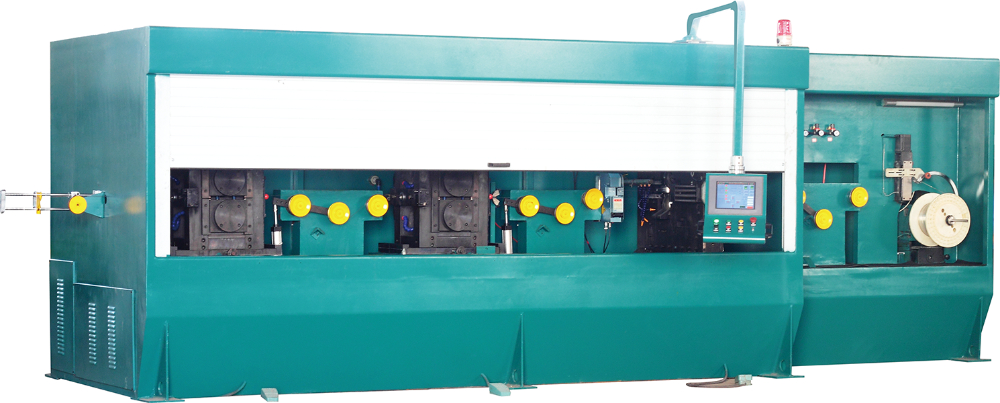
In the competitive landscape of modern manufacturing, achieving superior efficiency is often the key to staying ahead. Advanced profile rolling technologies revolutionize this pursuit by enabling precise, high-speed shaping of materials with minimal waste. Unlike traditional methods that rely on slower, less accurate processes, these innovations allow for continuous production cycles that dramatically reduce downtime and energy consumption, ultimately driving significant cost savings and enhancing overall operational performance.
Specifically designed to handle complex geometries and diverse materials, such as metals, plastics, and composites, these technologies integrate sophisticated control systems with adaptive tooling. This combination ensures consistent quality across large batches while adapting to real-time variations in material properties. By leveraging these features, companies can streamline their workflows, respond more agilely to market demands, and maintain a competitive edge through refined production capabilities.
Looking ahead, the adoption of advanced profile rolling technologies is poised to transform entire industries by fostering innovations in product design and sustainability. As these systems become more accessible and integrated with digital tools like IoT and AI, businesses can anticipate even greater efficiency gains, reduced environmental impact, and enhanced customizability. Embracing these advancements today sets the stage for a future where manufacturing is not only faster but also smarter and more resilient.
Custom Solutions for Diverse Metal Alloys and Applications
When it comes to metal alloys, a one-size-fits-all approach rarely delivers the results you're after. We specialize in creating custom solutions that address the unique challenges of specific applications, from high-strength aerospace components to corrosion-resistant marine equipment. By tailoring material composition, processing techniques, and finishing options, we ensure that each alloy performs optimally in its intended environment.
Our expertise spans a wide range of metals, including aluminum, steel, copper, and titanium, allowing us to develop solutions for diverse industries such as automotive, construction, and medical devices. We work closely with clients to understand their exact requirements, whether it's enhancing durability, reducing weight, or improving electrical conductivity. This collaborative process leads to innovative alloys that meet precise specifications and outperform standard offerings.
Beyond just material selection, we focus on application-specific needs, such as temperature resistance for industrial machinery or biocompatibility for surgical implants. By leveraging advanced metallurgical insights and state-of-the-art testing, we craft metals that not only meet but exceed expectations, driving efficiency and reliability in even the most demanding settings.
Innovative Features That Boost Processing Speed and Reliability
One standout innovation is the implementation of a multi-threaded processing engine, which significantly accelerates data handling by executing tasks concurrently. This approach reduces latency and enhances overall system responsiveness, making it ideal for real-time applications where speed is critical. Unlike traditional single-threaded systems, this feature dynamically allocates resources based on workload demands, ensuring consistent performance even under heavy loads. Users often notice smoother operations and quicker results, without the common bottlenecks that plague slower architectures.
To further boost reliability, we've integrated advanced error-correction algorithms that proactively detect and resolve inconsistencies in data streams. These mechanisms work silently in the background, minimizing downtime and preventing data corruption—a common issue in less robust systems. By leveraging predictive analytics, the system can anticipate potential failures before they occur, allowing for preemptive maintenance and seamless user experiences. This focus on resilience not only builds trust but also reduces long-term operational costs associated with frequent repairs.
Another key aspect is the adaptive caching strategy, which optimizes resource utilization by storing frequently accessed data in high-speed memory. This reduces the need for repeated database queries, cutting down processing time and enhancing overall efficiency. The system learns from user patterns over time, fine-tuning its cache allocations to match evolving needs. Such intelligent resource management ensures that both speed and reliability are maintained, even as usage scales, setting it apart from static solutions that struggle with fluctuating demands.
Optimizing Output with Smart Control Systems in Rolling Mills
In modern manufacturing, rolling mills are leveraging smart control systems to transform raw materials into high-quality products with enhanced efficiency. These systems integrate advanced sensors and real-time data analytics to monitor every facet of the rolling process, from temperature control to material thickness. By dynamically adjusting parameters, mills can reduce energy consumption and minimize waste, ensuring consistent output that meets stringent industry standards.
A key advantage lies in predictive maintenance capabilities, where AI-driven algorithms analyze equipment performance to foresee potential breakdowns before they occur. This proactive approach not only cuts downtime but also extends machinery lifespan, boosting overall productivity. Unlike traditional methods, smart controls adapt to varying material properties and production demands, making operations more resilient and responsive to market fluctuations.
Ultimately, the adoption of these intelligent systems drives significant cost savings and quality improvements. Mills equipped with smart controls report fewer defects and faster turnaround times, positioning them competitively in a demanding global landscape. This technological shift embodies a move toward autonomous, data-informed manufacturing that redefines excellence in metalworking.
Sustainable Metal Processing with Energy-Efficient Mill Designs
Traditional metal processing mills often consume vast amounts of energy, contributing significantly to industrial carbon footprints. By integrating energy-efficient designs, such as advanced heat recovery systems and optimized motor technologies, modern mills can drastically reduce power usage. This not only lowers operational costs but also aligns with global sustainability goals by minimizing environmental impact.
Innovations like smart sensors and automated controls enable real-time monitoring and adjustment of energy consumption, ensuring that processing remains efficient without compromising output quality. These technologies allow mills to adapt to varying material loads and operational conditions, further enhancing energy savings and reducing waste in metal production processes.
Beyond technical upgrades, adopting a holistic approach that includes renewable energy sources, such as solar or wind power, can transform metal processing into a more sustainable industry. This shift not only supports cleaner energy practices but also positions companies as leaders in eco-friendly manufacturing, appealing to environmentally conscious markets and stakeholders.
FAQ
Various industries rely on these mills, including automotive manufacturing for precision parts, construction for structural components, and electronics for conductive wiring, due to their ability to produce customized metal shapes efficiently.
They incorporate automated controls and high-speed mechanisms to reduce downtime and material waste, enabling faster production cycles and consistent quality for complex wire profiles.
Options range from adjustable roll diameters and interchangeable tooling for different materials to integrated cooling systems and real-time monitoring software, allowing tailored setups for specific production needs.
Common materials include steel, aluminum, and copper alloys, with some mills designed for specialty metals like titanium or brass, depending on the hardness and formability requirements.
Through modular roll designs and precision calibration, they can switch between thin flat wires and intricate profiled geometries without significant retooling, enhancing versatility.
Features include emergency stop systems, protective guards around moving parts, and sensors to detect anomalies, ensuring operator safety while maintaining high productivity.
Regular lubrication, wear inspections, and software updates are key; a proactive maintenance plan can extend equipment life by years, preventing costly breakdowns.
Yes, many models offer compatibility with conveyor systems and digital interfaces, allowing seamless addition to automated workflows for streamlined metal processing.
Conclusion
This analysis explores the advancements in flat and profiled wire rolling mills, emphasizing how custom solutions enhance efficiency in metal processing. By integrating tailored designs for high-precision flat wire production with advanced profile rolling technologies, these mills enable manufacturers to achieve superior product quality while reducing waste. The versatility to handle diverse metal alloys and applications ensures that operations can adapt to specific industry demands, from automotive to aerospace. This adaptability, combined with innovative features, boosts processing speed and reliability, allowing for faster throughput without compromising on consistency. Such improvements not only streamline production but also contribute to cost savings and enhanced competitiveness in the global market.
Furthermore, smart control systems optimize output by providing real-time monitoring and adjustments, which minimize downtime and errors. These intelligent solutions are complemented by energy-efficient mill designs that promote sustainable metal processing, reducing environmental impact and operational costs. Together, these elements create a holistic approach where efficiency, customization, and sustainability converge. The result is a robust framework that supports diverse industrial needs while pushing the boundaries of what's possible in wire rolling, making these advanced mills a key asset for modern manufacturing.
Contact Us
Contact Person: Rayna
Email: [email protected]
Tel/WhatsApp: 86 -173 1474 6343
Website: https://www.grmrollingmill.com/