

Eco-Friendly Flame Resistant Fabric: The Sustainable Future of Protective Textiles
2026-06-30
The demand for protective textiles has never been higher, but the environmental toll of conventional flame-resistant fabrics is impossible to ignore. Harsh chemicals, heavy resource use, and non-biodegradable waste paint a grim picture. So, what if safety didn't have to come at the planet's expense? DROTEX is rewriting the rules with eco-friendly flame-resistant fabrics that prove performance and sustainability can coexist. Dive in to explore how this innovative approach is shaping the future of protective wear—without scorching the earth.
Why Tomorrow’s Safety Gear Might Grow on Trees
The concept of safety gear sprouting from trees may sound like a futuristic fantasy, but researchers are already grafting material science onto nature's blueprints. Instead of petroleum based synthetics that dominate today's helmets and vests, tomorrow's protective equipment could be harvested from sustainably managed forests. By coaxing cellulose fibers and lignin out of wood pulp, engineers are crafting composites that rival the strength of Kevlar while leaving a lighter footprint on the planet.
Take the humble tree's inner scaffolding: nanocellulose, a material so fine it's invisible to the naked eye yet tougher than steel by weight. When aligned in layers and bound with bio resins, it forms a shield that dissipates impact energy better than many commercial plastics. Early prototypes include bike helmets that fold like cardboard but harden on impact, and shock absorbing liners for military gear, all derived from fast growing species like poplar or bamboo. The bonus? Unlike carbon fiber or fiberglass, these materials break down naturally once discarded, feeding the soil instead of clogging landfills.
The real game changer might be growing gear where it's needed. Imagine cultivating protective pads directly from mycelium molds tucked under bark, or programming trees to secrete durable outer shells over their trunks—ready to be peeled and shaped. While such biofabrication is still in its infancy, the seed has been planted. As supply chains eye carbon neutral alternatives, the forest floor could become the factory floor, turning timber into everything from flame resistant jackets to earthquake proof hard hats, all without a drop of crude oil.
Breaking Free from Petrochemical Protective Layers
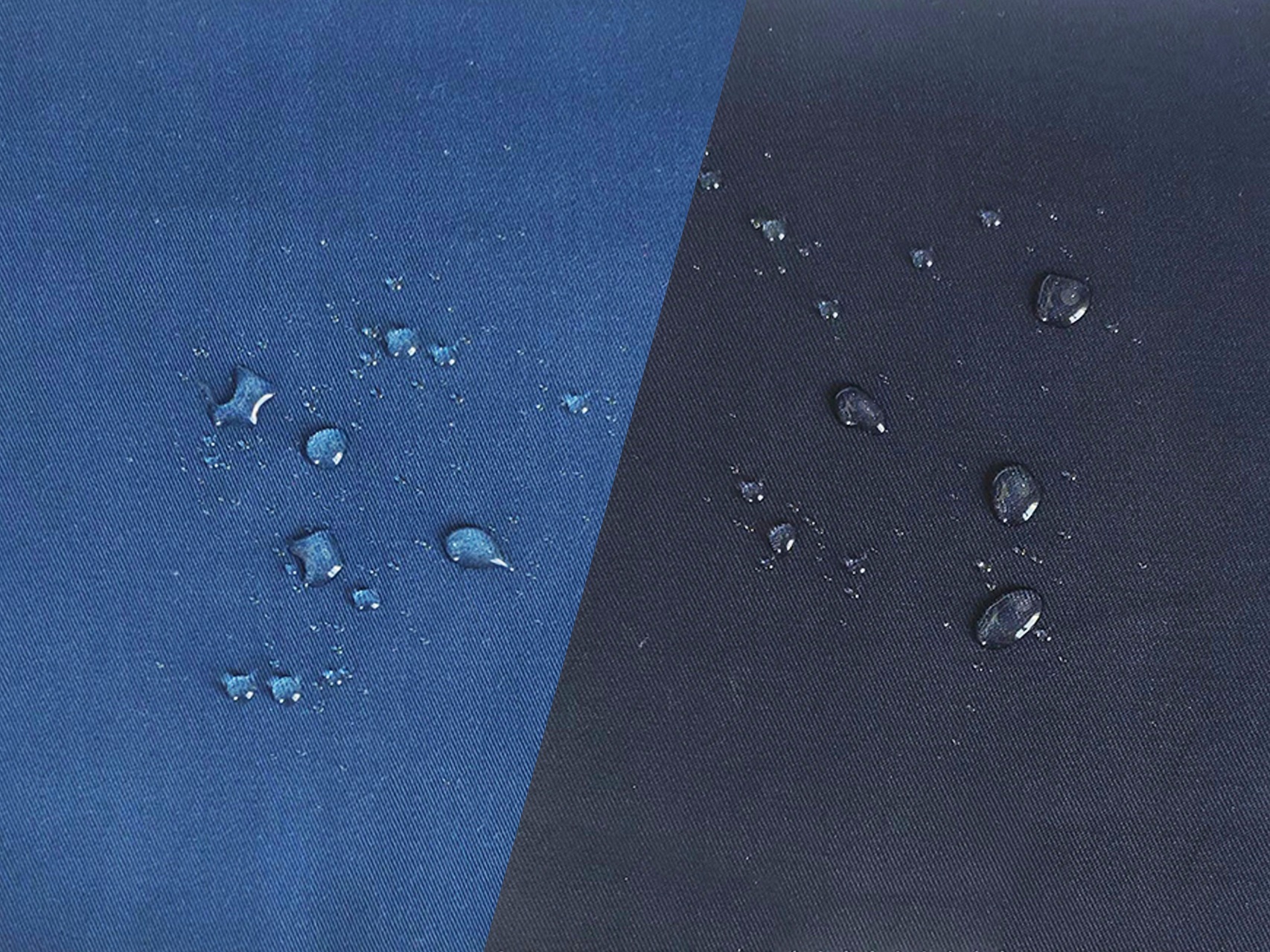
We’ve grown accustomed to wrapping ourselves in barriers born from crude oil—waterproof coatings, synthetic films, and invisible seals that promise durability but cling to the planet for centuries. These petroleum-based shields don’t truly safeguard us; they merely postpone the reckoning while quietly leaching toxins into soil and waterways. The moment we start questioning what protection actually means, we begin to see how deeply entangled we are in a cycle that values convenience over genuine well-being.
Alternatives don’t shout from billboards; they hum in the background—mycelium skins that breathe with the forest, plant waxes offering water resistance without lasting scars, biodegradable matrices that return to the earth rather than outliving the products they once covered. Shifting away demands more than swapping one material for another. It asks us to recalibrate our relationship with the objects we rely on, to embrace a little vulnerability in exchange for long-term harmony.
The real liberation comes when we stop equating strength with imperishability. A shield that vanishes when its job is done isn’t weak—it’s wise. By shedding the petrochemical armor that was never truly ours, we uncover simpler, more elegant ways to coexist with the ecosystems that sustain us. The transition requires patience, experimentation, and a willingness to accept that protection doesn’t have to leave a permanent mark.
Fire Resistance That Doesn’t Cost the Earth
Achieving fire safety often feels like a choice between effectiveness and environmental responsibility. Traditional flame retardants, while reliable, frequently rely on halogenated compounds or heavy metals that linger in ecosystems and pose long-term health risks. But what if protection didn’t have to come with such a heavy footprint? Advances in material science are now delivering fire-resistant solutions derived from abundant, renewable sources—think bio-based polymers, mineral-based coatings, and phosphorus-rich plant extracts. These alternatives can match or exceed the performance of their conventional counterparts without leaving behind toxic residues when burned or discarded. It’s a shift from simply delaying flames to doing so with materials that can safely return to the earth.
The secret lies in learning from natural flame barriers. For instance, intumescent systems made from starch or cellulose swell when exposed to heat, forming an insulating char layer that blocks oxygen and slows ignition—much like a log’s outer surface protects its core. Modified clay nanoparticles and layered double hydroxides work at the nano-scale to create tortuous paths that disrupt combustion. By tuning the chemistry of these benign ingredients, manufacturers can now meet rigorous fire safety standards without introducing persistent pollutants. The result is a new class of materials that can be composted or recycled without contaminating the waste stream, closing the loop between safety and sustainability.
Cost has long been the stumbling block for green fire protection, but that’s changing as production scales and raw materials become more accessible. Many plant-derived additives are by-products of existing agricultural processes, making them surprisingly affordable. Building codes are also starting to reward sustainable practices, reducing long-term insurance and compliance expenses. This means that choosing fire resistance that’s kind to the planet is no longer a premium option—it’s a practical, economically viable choice for everything from home insulation to public transit interiors. Fire safety doesn’t have to cost the earth; in fact, it might just help save it.
The Unseen Chemistry Behind Safer, Greener Fabrics
When we slip into our favorite shirt or curl up under a soft blanket, we rarely think about the invisible chemical processes that ensure those fabrics are both gentle on our skin and kind to the planet. Behind the scenes, a quiet revolution is reshaping textile production—moving from harsh solvents and heavy-metal dyes to enzyme-based treatments and biodegradable finishing agents. These unseen reactions break down impurities, soften fibers, and lock in color without leaving behind toxic residues. It’s a delicate dance of molecules, where pH levels, temperature, and reaction time are tuned to achieve performance without compromise.
One of the most striking shifts is happening in the dye bath, where traditional methods are being replaced by waterless or low-water technologies that rely on supercritical carbon dioxide. In this high-pressure state, CO₂ acts as a solvent, carrying dyes deep into the fabric and then evaporating completely, leaving nothing behind but pure color. Elsewhere, chemists are mimicking nature’s own tricks—using laccase enzymes from fungi to bleach denim or chitosan from shrimp shells to give cotton a wrinkle-resistant finish. These innovations don’t just reduce pollution; they also use less energy and water, turning an historically dirty industry into a surprisingly clean one.
The real magic, though, lies in the finishing touches nobody sees. Flame retardants, once notorious for their environmental persistence, are now being designed from plant-derived phosphorus compounds that degrade harmlessly. Antimicrobial treatments drawn from silver nanoparticles or essential oils are engineered to stay locked in the fiber, providing long-lasting freshness without washing down the drain into ecosystems. Even the feel of the fabric—its drape, softness, or crispness—can be tailored through cross-linking reactions that replace formaldehyde-based resins with safer, sugar-derived alternatives. Each tiny advance proves that the safest chemistry is often the one we never notice, working silently to protect both the wearer and the world outside.
From Factory Floors to Firefronts: Where Green Textiles Shine
It’s easy to think of sustainable fabrics as delicate, relegated to fashion and home décor. Yet some of the toughest environments on earth are starting to adopt them. Factory floors, where abrasion and grease are daily realities, now see uniforms woven from recycled polyester that meets the same tensile standards as virgin synthetics. These garments shed fewer microplastics and outlast conventional blends, cutting replacement cycles and overall waste.
The shift is even more striking on firefronts. Wildland fire shelters and brush gear are incorporating bio-based aramids and flame-resistant fibers derived from plant waste. They deliver the same thermal protection while slashing the carbon footprint of production. Crews report surprising breathability too—something that matters when you’re working inches from a blaze. The materials don’t just survive the heat; they degrade safely at end of life, avoiding the incineration headaches of traditional gear.
What’s driving this isn’t just regulation. Mills are learning that greener chemistry often yields a stronger, more consistent fiber. The absence of harsh processing agents reduces microfractures in the yarn, so the final textile actually performs better in the field. It’s a rare alignment of durability and conscience. From the assembly line to the treeline, green textiles are quietly becoming the default choice for those who need gear that won’t let them down—or leave a permanent scar on the places they’re trying to protect.
Rethinking Protection: Durability Without the Toxic Legacy
We’ve spent decades chasing indestructibility in the materials we build with, coating them in synthetic chemicals that promised longevity but delivered a hidden burden. The logic seemed sound: make it impervious to decay, and you’ll never have to replace it. Yet the same molecular stubbornness that repels water and resists heat often lingers in ecosystems for generations, accumulating in soil, water, and living tissue. Durability, as it turns out, is only half the equation—what good is a product that outlasts its usefulness if it also outlasts the planet’s capacity to absorb it?
The shift toward benign permanence demands that we rethink protection at the chemical level, designing for resilience without sacrificing biodegradability or compatibility with living systems. Consider cellulose-based barriers that shed water as effectively as petroleum-derived coatings, or mineral treatments that harden surfaces without leaving a trail of persistent microplastics. These aren’t compromises; they’re smarter iterations of a timeless principle—using what the natural world already knows how to process. After all, a tree stands for centuries without poisoning its own roots, dismantling gracefully back into the forest floor when its time comes.
This isn’t just a materials science puzzle—it’s a philosophical adjustment in how we value the things we make. Instead of worshiping inertness, we can celebrate a dynamic durability that performs well during its intended life and then politely exits, leaving no trace. The future of protection lies not in building monuments to our chemical ingenuity, but in creating materials that converse with their environment rather than conquer it.
FAQ
It's a textile engineered to self-extinguish when exposed to flames, but made from renewable or recycled sources and processed without harmful chemicals. Unlike conventional flame retardant fabrics that often rely on petrochemicals or coatings that can release toxins, these versions prioritize a lower carbon footprint and safer chemistry throughout production.
Common inputs include organic cotton, recycled polyester, lyocell from managed forests, and innovative fibers derived from bio-based polymers or even waste streams like orange peels. Some fabrics also incorporate naturally flame-resistant wool blends or protein-based fibers, moving away from synthetic halogenated compounds.
In many cases, they meet the same rigorous safety standards for flash fire, arc flash, and molten metal splash protection. The difference is that they achieve this through inherent fiber properties or non-toxic additives rather than surface treatments. Durability can be on par or better, and they often feel more comfortable and breathable due to natural fiber content.
They're found in firefighter turnout gear, industrial workwear for oil and gas, electrical utility uniforms, and even military clothing. Beyond heavy industry, they're increasingly used in hospitality, healthcare, and transportation sectors where flame safety and sustainability goals intersect.
Yes. Look for labels like OEKO-TEX Standard 100, which screens for harmful substances, or GOTS for organic content. For flame resistance, NFPA 2112 or EN ISO 11612 certify performance. Environmental claims may be backed by life cycle assessments or certifications like cradle-to-cradle.
It starts with sustainable farming or recycled inputs, uses closed-loop water systems and non-toxic dyes, and often cuts energy consumption by avoiding high-temperature chemical treatments. Manufacturers also design for end-of-life recyclability, composting, or thermal recycling without releasing hazardous fumes.
Sourcing consistent bio-based materials at scale can be tricky, and meeting strict flame resistance without conventional chemicals sometimes limits design flexibility or increases cost. Balancing durability, comfort, and safety while keeping the product affordable remains a key hurdle.
Conclusion
The future of flame-resistant textiles is literally taking root in renewable resources, with tomorrow’s safety gear being fashioned from wood-based fibers and other plant-derived materials. This departure from petrochemical-based synthetics is more than a material swap—it’s a fundamental rethinking of how we protect people while honoring planetary boundaries. Traditional protective fabrics are notoriously resource-intensive, often relying on fossil fuels and generating persistent waste. By turning to bio-based polymers and closed-loop production methods, manufacturers are slashing carbon footprints and curtailing the reliance on finite resources. These innovations promise fire resistance that doesn’t cost the earth, blending safety with genuine sustainability.
Beneath this green shift lies intricate chemistry that swaps toxic additives for benign alternatives, ensuring that protection doesn’t come with a hidden environmental price tag. These fabrics are engineered to perform from factory floors to firefronts, withstanding harsh conditions without shedding harmful microplastics or leaching persistent chemicals. Durability is a cornerstone: the polymers are designed to last through countless industrial launderings, maintaining their flame-resistant integrity far longer than conventional treatments. When the gear eventually reaches end-of-life, it breaks down without leaving a toxic legacy, closing the loop in a truly circular system. In this reimagined protective textile industry, durability and cleanup go hand in hand, setting a new standard where safety and stewardship are inseparable.
Contact Us
Contact Person: Sandy
Email: [email protected]
Tel/WhatsApp: 86150 8310 5120
Website: https://www.frdrotex.com