

Custom Hospital Bed: Choosing the Right Features for Patient Comfort and Safety
2026-08-28
Every patient has unique needs, yet too many hospitals settle for one-size-fits-all beds. When comfort and safety are non-negotiable, customizing a hospital bed becomes the quiet difference between a restless night and true recovery. At Suncare, we believe the right features—adjustable positioning, pressure relief, easy-access controls—aren't luxuries; they're the foundation of dignified care. This guide walks you through what to prioritize, so your next bed choice supports both the body and the people tending to it.
Start With the Patient's Daily Routine, Not the Spec Sheet
Ask any clinician what actually shapes a treatment plan, and they'll point to the unglamorous details of a Tuesday morning: how long it takes to get out of bed, whether the kitchen counter is within reach, how many times the stairs get climbed before noon. A spec sheet can list motor torque or battery capacity, but it can't tell you that a patient dreads the buzzing sound during breakfast or that the grip needs to work one-handed while holding a grandchild.
Building around those moments means spending time in homes, not just labs. You watch where cords become trip hazards, where buttons get pressed by accident, where a device gets abandoned in a drawer because charging requires too many steps. Then you design backwards from the routine: a quieter motor for early mornings, a wider base that clears the edge of a sofa, an interface that doesn't demand reading glasses.
The result rarely looks like the original spreadsheet. It looks like something a person can live with on a bad day, not just perform well with in a demo. That's the metric worth chasing.
Side Rails That Balance Security and Restraint
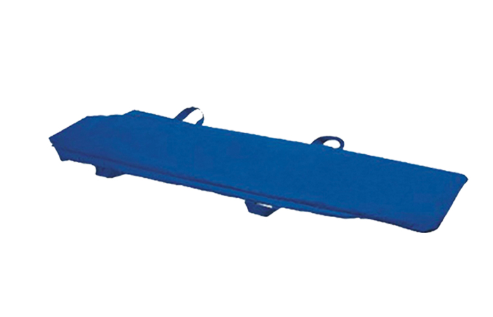
The side rails on this bed aren't meant to lock anyone in—they're built to keep a person from slipping off the edge during a restless night while still letting them get up when they want. You can feel the difference the moment you raise them: there's enough height to catch a stray arm or leg, but the spacing and curvature don't create a cage-like feel. For someone who shifts positions often or sits on the edge before standing, the rail provides a steady handhold without forcing them to call for help just to lower a barrier.
What makes these rails stand out is how they handle the in-between moments. Instead of a single fixed position, they slide or fold in a way that follows the user's movement rather than cutting it off. The hinges don't snap shut abruptly, and the locking mechanism releases with a simple, deliberate motion—not a complex sequence. That means a person can rest against the rail, reach for a glass of water, or swing their legs out without feeling like they're negotiating with the furniture. At the same time, the rail stays firm when leaned on, so there's no wobble that might cause a fall.
In practice, this balance changes the whole dynamic of overnight care. A spouse or caregiver doesn't have to hover constantly, because the rail prevents the most common accidental rolls without turning the bed into a crib. Yet the person in bed still feels a sense of autonomy—they can lower the rail from inside if they're steady enough, or simply sit up and rest an elbow on it while reading. The security is real but quiet, offering protection without announcing itself as a restraint.
Pressure Relief Beyond the Standard Mattress Topper
Most toppers stop at a uniform slab of foam, but this one redistributes weight differently depending on where your body needs it. The shoulder and hip zones soften just enough to let you sink without collapsing, while the lumbar band stays firmer to keep your spine from bowing overnight.
Instead of relying on a single density, the surface uses a contoured cut that responds to pressure maps—not just body weight. That means side sleepers get relief at the points that usually go numb, and back sleepers don't wake up with that stiff lower-back ache.
The recovery rate is what makes the difference. It doesn't hold a ghost of your body after you shift, so you're not climbing out of a memory-foam valley at 3 a.m. The relief works with your movement instead of just sinking under it.
Quiet Motors Make a Difference at 3 A.M.
At 3 a.m., the world shrinks to the hum of a refrigerator and the occasional creak of a settling house. Most people never think about motors until one of them shreds that stillness. A bathroom fan with worn bearings can sound like a lawn mower idling behind the wall. A garage door opener that groans and clanks can wake the entire street. Quiet motors earn their keep in these moments—not by being impressive during the day, but by disappearing at night.
The difference comes down to engineering choices that don't show up on a spec sheet. Balanced rotors, precision-cut gears, and soft-start circuits keep sudden jolts from turning into noise. Rubber isolation mounts absorb vibration before it reaches drywall or floor joists. Even the housing matters: a well-damped shell doesn't ring like a bell when the motor spins up. These details sound small until you're lying in bed at 3 a.m., listening to a device you barely noticed all day suddenly announce itself.
For anyone who has lived beneath a neighbor's noisy exhaust fan or next to a parking garage with a screeching gate, the value is obvious. A quiet motor isn't just about comfort; it's about respect for the hours when people are trying to sleep. The best ones don't make a sound that pulls you out of a dream. They just do their job and let the night stay quiet.
Surfaces That Survive Bleach Wipes Without Looking Clinical
Honed quartz has become the quiet workhorse in kitchens and bathrooms where disinfecting is non-negotiable. Unlike polished surfaces that show every swipe mark, a leathered or matte finish hides streaks while still standing up to diluted bleach solutions. The key is choosing slabs with subtle veining or warm mineral tones—think greige, sand, or soft charcoal—so the material reads as stone rather than sterile plastic.
Porcelain panels are another route, especially in larger formats that minimize grout lines. Full-body porcelain shrugs off harsh cleaners and doesn’t need sealing, yet it can convincingly mimic raw concrete, aged plaster, or even linen. When paired with a matte or satin texture, it keeps the tactile softness that makes a space feel lived-in, not lab-like.
For vertical surfaces, high-pressure laminate with a textured, low-sheen finish has come a long way. It won’t warp or fade with occasional bleach wipe downs, and the newer woodgrain or textile-inspired patterns break the clinical association entirely. The trick is to specify a darker grout or edge profile so the cleanability doesn't come at the cost of character.
Minimalist Monitoring Beats Overloaded Sensors
A single well-placed sensor often reveals more than a wall of dashboards. When teams chase every possible metric, the signal that matters gets buried under a pile of alerts nobody reads. Minimalist monitoring strips away the noise by asking one question: what actually breaks first?
Fewer checks mean fewer false alarms. Instead of tracking CPU, memory, disk, network, and a dozen application internals, you watch the two or three that predict user pain. That focus makes on-call rotations calmer and incident response faster because the alert that fires is almost always worth a look.
The real trick is choosing sensors that act as proxies for broader health. A latency spike at the edge tells you more than five separate resource graphs ever will. By cutting the dashboard down to what matters, teams spend less time configuring exporters and more time fixing the root cause when something genuinely goes sideways.
FAQ
Focus on how often caregivers need to reposition the patient and whether existing equipment causes strain. A custom bed makes sense if you need built-in lateral tilt, a lower minimum height for safer transfers, or a wider sleep surface that a retail model can't offer.
Pressure redistribution matters most, so look for a mattress with multiple zones and a bed frame that supports alternating pressure systems. Also check that the head and knee articulation moves smoothly without creating gaps that pinch skin.
Not always. Full-length rails can become a climbing hazard. A better custom option is split rails or padded half-rails positioned so the patient can still see the floor, which reduces disorientation while preventing accidental rolls.
Ask for a built-in scale, trendelenburg and reverse trendelenburg positioning, and a central locking system for the casters. Those features reduce the need to move the patient for daily weight checks or emergency adjustments.
Choose a bed with sealed seams, antimicrobial surfaces on high-touch areas like the handset and rails, and a mattress cover that can withstand frequent wiping with hospital-grade disinfectants without cracking.
Height adjustment lets the caregiver set the sleep surface at hip level for transfers, while a very thick mattress can make the bed too tall at its lowest setting. The combination of low deck height and a medium-profile foam or hybrid mattress usually works best.
Look for full chair positioning, independent leg elevation, and a cardiac chair mode that lets the patient sit upright without sliding. Also consider a bed exit alarm that connects to the nurse call system if the patient tries to get up unaided.
Yes, if the patient will spend more than a few days in bed or if caregivers work alone. Electric controls reduce physical strain, and newer systems offer lockout functions so the patient can't accidentally lower the bed into an unsafe position.
Conclusion
When customizing a hospital bed, the conversation should begin not with a list of technical specs but with how the patient actually spends their day. Does she sit up to eat, shift position frequently, or need help turning at night? These details shape choices like side rails—ones that offer a reassuring grip without making her feel trapped. A rail that's too high or unyielding becomes a restraint, but a well-designed one lets her adjust herself while preventing falls. Pressure relief also goes deeper than tossing on a foam topper. Look for beds with dynamic air systems or alternating pressure zones that respond to her weight and movement, so blood keeps flowing even during long stretches in one position.
At 3 a.m., a loud motor is more than an annoyance—it wakes a patient who already struggles to sleep. Choose beds with quiet, smooth actuators that won't startle anyone when a caregiver raises the head section for a breathing treatment. Surfaces matter too; they need to withstand harsh bleach wipes shift after shift without cracking or fading, yet still feel warm and homelike rather than sterile and clinical. Finally, resist the urge to overload the bed with every sensor available. A minimalist approach—tracking only what truly matters like moisture, movement, or respiration—cuts down on false alarms and gives nurses clearer signals. In the end, the best custom bed feels less like medical equipment and more like a thoughtful piece of furniture that keeps the patient both comfortable and safe.
Contact Us
Contact Person: Frank Chan
Email: [email protected]
Tel/WhatsApp: 0086-13924529088
Website: https://www.suncare-medical.com