

China Fuse Holder Manufacturer Shares Practical Tips for Choosing Safe and Reliable Fuse Holders
2026-11-24
Every electrical enclosure looks safe until the wrong fuse holder turns a minor overload into a burnt contact—or worse. With so many look-alike products on the market, knowing what actually separates a dependable holder from a weak link isn’t always obvious. Drawing on real project feedback and manufacturing experience, SINGI walks through practical checks you can apply before your next purchase, from contact grip and insulation materials to heat dissipation and installation fit.
A cool-running holder starts with the right material mix
Heat buildup in a phone mount rarely comes from the phone alone. It creeps in through the dashboard, the sun-soaked windshield, and the constant squeeze of spring-loaded jaws. The fix begins before any shape is drawn: pairing an aluminum spine with a glass-fiber reinforced polymer shell. Aluminum pulls heat away from the contact point, while the polymer keeps the outer surface from turning into a skillet. This balance matters more than raw thickness or weight.
Single-material holders force a trade-off. All-metal designs get hot to the touch and scratch trim. All-plastic versions trap warmth around the device and turn brittle after a few summers. A layered mix lets each part do one job instead of half-doing several. The metal core handles conduction; the composite shell handles grip, insulation, and long-term flex. That separation is what lets a mount sit in direct sunlight without transferring the full brunt to the phone’s battery.
What looks like a simple material choice on paper becomes a cooling system in practice. The right mix also changes how the holder ages: less warping at the clamp edges, fewer stress cracks near the ball joint, and a surface that stays comfortable to adjust after hours parked outside. None of that shows up in a product photo, but it is the first thing your hand notices on a July drive.
Current ratings tell less than contact pressure over time
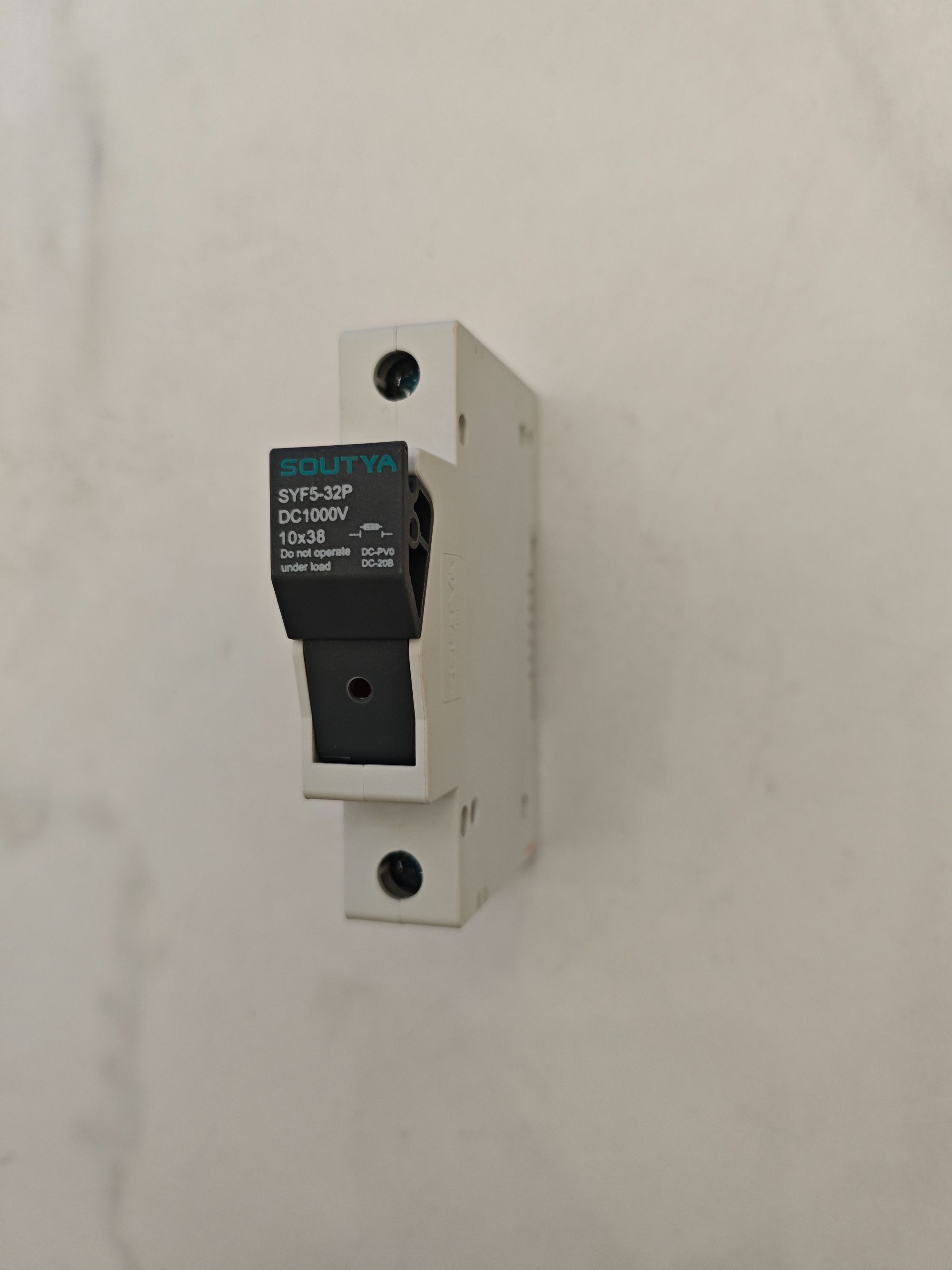
A current rating on a connector or busbar is a single number taken under clean, new conditions. It says almost nothing about what happens after thermal cycling, vibration, and oxidation have done their work. Once contact force begins to fall off, even a circuit running well below its rated amps can develop hot spots that no nameplate figure would predict.
Contact pressure tends to degrade gradually: spring relaxation, surface wear, and corrosion products push the actual mating force downward long before a hard failure shows up. Tracking that pressure—or its electrical signature through contact resistance—gives a much earlier warning than comparing load current against the original rating. In many older switchgear and charging connectors, the failures that matter start as a loss of spring tension, not as an overload.
That is why field measurements increasingly focus on resistance trend lines and infrared scans under normal load rather than on whether the equipment is within its amp rating. A joint that stays cool and maintains stable millivolt drop over time is usually healthier than one that carries a high rated current but shows a slowly rising resistance. The rating still matters, but it is the pressure over time that tells you where the connection is actually heading.
Terminals fail quietly when heat and movement combine
Most terminal failures don't start with a bang. A connector that has carried current for years can loosen by a fraction of a millimeter, just enough to let resistance creep upward. Heat expands the metal, movement works the joint back and forth, and the contact patch grows a thin oxide skin. The result is a quiet loop: more resistance, more heat, more movement, more wear.
When thermal cycling and vibration act together, the damage concentrates where the two forces overlap. A terminal block near a motor or machine frame picks up small oscillations that would be harmless on their own. Add the daily expansion and contraction of load current, and clamping force slowly relaxes. Screws back off, spring contacts lose their bite, and mating surfaces begin to fret. The visible signs often stay hidden under a cover until a shutdown or intermittent fault appears.
What makes this failure mode easy to miss is the lack of a clear threshold. Resistance readings can look acceptable at rest, then shift under load. The connection may work for hours, drop a phase for a few seconds, and return. By the time a thermal camera or torque check finally catches it, the metal surfaces have already been eroded and nearby insulation may have aged. That is why inspection should focus on the interaction: not just heat alone, not just movement alone, but the way they reinforce each other at the contact point.
Mounting style decides whether the assembly survives vibration
Vibration failures rarely trace back to a weak component—they almost always point to how that component was attached. A board-level capacitor with long, unsupported leads acts like a tiny pendulum, amplifying mechanical energy until a solder joint cracks or a lead fatigues. Shortening those leads, bending them into a stable footprint, or choosing a surface-mount alternative changes the resonant behavior enough to keep the part from walking itself off the board during sustained shaking.
The mounting surface matters just as much as the fastener. A power supply bolted directly to a rigid chassis may seem secure, yet the lack of any compliance layer means every shock impulse transfers straight into the housing and internal connections. Adding a thin elastomeric pad or isolating bushings—while keeping the electrical bonding intact—can shift the assembly's natural frequency away from the excitation range and give the internals a fighting chance.
Then there are the less obvious cases: a connector soldered only at its pins but left to float at the housing, or a heavy inductor held by a single screw near one edge. Under random vibration, these create local bending moments that eventually tear traces or loosen hardware. Bracing the far end, staking the body with a bead of adhesive, or redistributing the mount points so the mass is evenly supported often makes the difference between a unit that survives qualification and one that rattles apart in the field.
Dust and moisture find the gaps that a paper rating hides
A lab certificate shows a device survived a controlled spray for a few minutes. It says nothing about the months that follow: thermal cycling, constant vibration, a gasket that never quite seated right. Dust finds those microscopic openings the same way cold air finds a loose window frame—slowly and without asking permission.
The gap between a rating and real conditions usually appears at the edges. Connector boots, cable glands, mating surfaces, and screw holes are rarely as perfect as the drawing suggests. Moisture builds up inside a housing not because the enclosure failed a test, but because the test never accounted for the humidity already trapped within. Fine dust does not need a visible opening; it only needs a pressure difference and enough time.
That is why field failures often look nothing like the datasheet. A paper rating describes a clean sample under clean conditions. The actual environment adds uneven torque, sun-weathered seals, and airborne grit that turns a tiny clearance into an entry path. If you want to know where contamination will appear, look at the seams, fasteners, and cable transitions before trusting the headline number.
Insist on test results from the complete fuse-holder pair
A fuse can look flawless on its own while the holder quietly undermines it. Contact pressure, blade alignment, and the thermal mass of the holder all change how heat leaves the fuse element, so the same fuse may run considerably hotter in one holder than another. Data gathered from the fuse alone leaves that interface completely unexamined, and the published ratings will not catch the problem.
The only useful test data is from the exact pairing you intend to put into service. Clamp force, contact area, and end-cap finish can shift voltage drop and temperature rise enough to alter service life, even when the fuse and holder pass their individual checks. A holder with slightly relaxed clips may still meet its own mechanical specification while driving the fuse into thermal stress under normal load.
Complete pair testing also tends to expose the failures that actually show up in the field: fretting at the contact points, oxidation build-up, micro-arcing, and hot spots near the end caps. When a supplier provides load curves and post-cycle data for the full assembly, you get a clearer picture of the real electrical joint. That is the information worth asking for before committing to a design.
FAQ
The real test is how it behaves after dozens of thermal cycles. A safe holder keeps consistent contact pressure so the fuse does not turn into a hotspot. Look for contacts that hold their spring tension, a base material that does not soften at rated temperature, and no exposed live parts where a hand or tool can brush against them.
Yes, and it catches people off guard. A holder inside a sealed outdoor cabinet can run far hotter than the surrounding air. Check the manufacturer's temperature derating curve instead of assuming the label current works everywhere. In hot environments, stepping up a size is cheaper than dealing with melted insulation later.
They are worth it the first time someone opens a live panel. A finger-safe design keeps curious fingers, tools, and loose wires away from the fuse clips. If maintenance happens while power is still present, that extra barrier reduces the chance of a serious arc flash or shock.
Silver-plated copper or tin-plated copper contacts usually hold up best. The plating keeps resistance low and protects the base metal from oxidation. Avoid bare steel or thin flash plating that wears off after a few insertions, because once the plating goes, heating starts rising fast.
No, treat the fuse rating as a minimum, not a target. Continuous loads, harmonics, and poor ventilation all push heat upward. Leaving a margin in the holder rating means the fuse opens before the holder becomes the weak point. If the application runs near full load, choose a holder with a rating at least one step above the fuse.
Undertorqued terminals are probably the biggest one. A loose connection creates heat that travels straight into the fuse clip. Overtorquing is just as bad because it deforms the terminal and weakens the connection. Also, never put bare stranded wire into a terminal made for solid wire without a proper ferrule.
Ask for third-party test reports instead of catalogue numbers. A trustworthy report should include temperature rise tests, flammability grades for the insulator, and actual torque values. For a quick check in your own lab, run the holder at rated current for a few hours and use a thermal camera to look for uneven heating around the contact points.
Yes, especially with generators, pumps, or rail equipment. Normal spring clips can loosen over time and then develop micro-arcing. In those cases choose a holder with a locking or anti-vibration feature, or one that uses a bolted clamp on the fuse contact. The extra retention prevents nuisance failures that are hard to trace later.
Conclusion
A fuse holder that stays cool under load rarely depends on a single design trick. The base material mix has to pull heat away from the contact area, while the terminal and spring materials need to keep their shape instead of softening after repeated cycles. More important than the printed current rating is how well the contact pressure holds up over months of use, because a slight loss of grip can raise resistance long before a label would suggest trouble. Terminals also deserve closer attention since heat plus constant micro-movement from connection points can loosen hardware or create oxidation that quietly turns a solid link into a weak spot.
The way a holder is mounted often predicts whether it will survive vibration better than any datasheet claim, so the fixing method should match the real operating environment instead of the cheapest assembly option. Dust and moisture usually enter through small gaps that basic ingress ratings do not fully capture, making gaskets, sealed terminals, and careful wire routing just as important as the enclosure code. Before accepting any specification, it is worth asking for test results from the exact fuse and holder combination that will be used in the field, because matched components can behave very differently from individually approved parts.
Contact Us
Contact Person: Jack
Email: [email protected]
Tel/WhatsApp: (+86) 13757759651
Website: https://www.singi.com