
Best WPC Decking Machine: The Ultimate Guide to Choosing the Right One
2026-07-03
Selecting the right WPC decking machine can make or break your production line—too many manufacturers learn this the hard way. With demand for wood-plastic composite decking surging, the pressure to deliver consistent quality without burning through your budget has never been higher. That’s where Yongte comes in. This guide strips away the noise, giving you a clear-eyed look at what actually matters when investing in equipment that can keep up with your ambitions. Let’s dig into the key factors that separate a smart investment from an expensive regret.
Understanding WPC Decking Machine Essentials
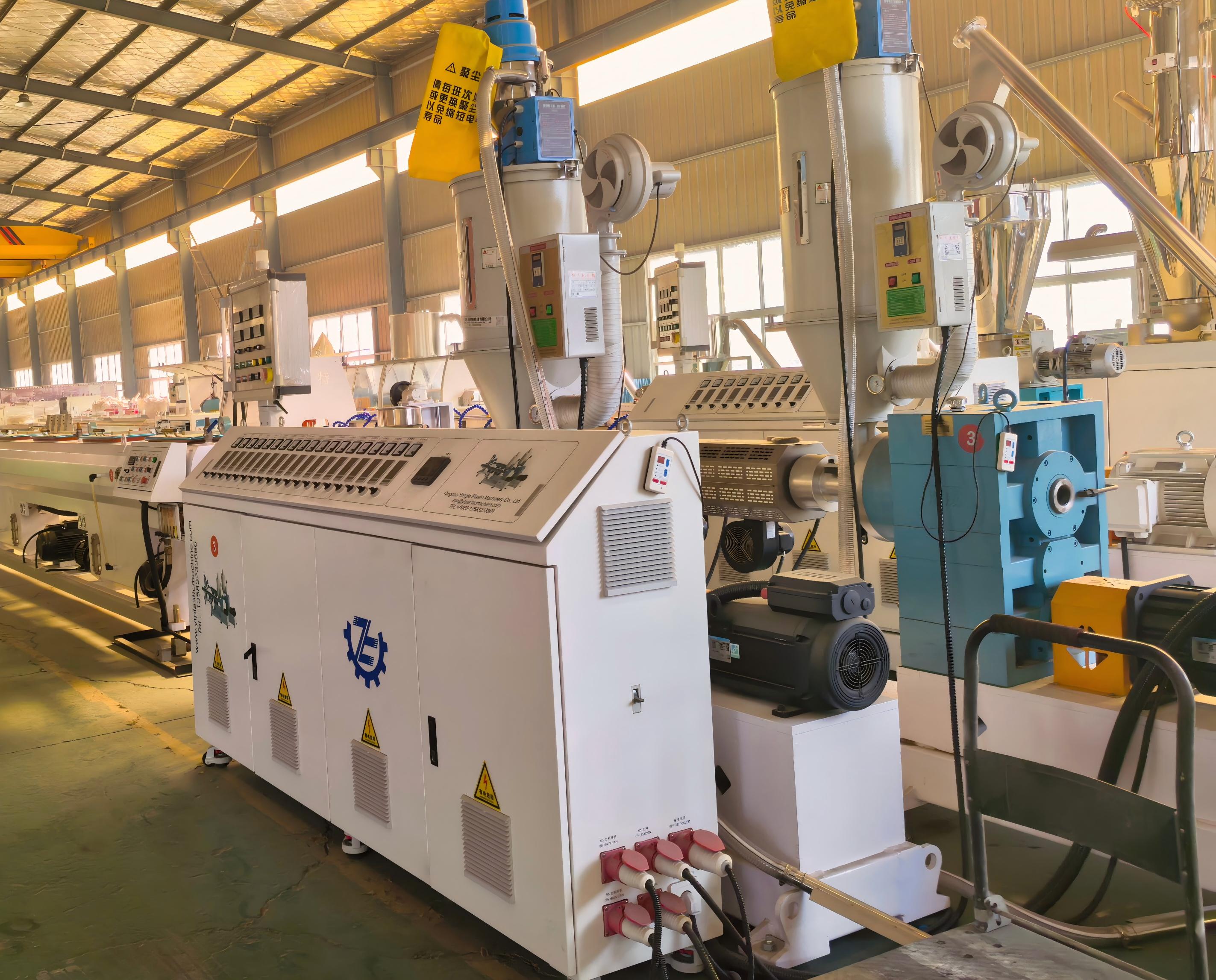
At the heart of every consistent WPC decking operation lies a machine that marries precision extrusion with thoughtful material handling. The core essentials center on twin-screw extrusion technology, which gives manufacturers the ability to blend wood flour, polymers, and additives uniformly without scorching the natural fibers. Beyond the extruder, cooling and calibration stages are where subtle differences in design really come into play—how quickly the profile sets and whether it holds its shape without internal stress determines the real-world durability of your decking boards. A machine that prioritizes steady melt temperatures and gentle yet firm calibration tends to produce boards that stand up to sun, rain, and heavy foot traffic far better than those churned out by more generic lines.
Raw material feeding systems often get overlooked, but they can make or break your production rhythm. Advanced hoppers with controlled screw feeds prevent bridging and uneven dosage, which directly impacts the board's surface finish and structural integrity. When the flow of wood–plastic composite is consistent pulse-free, you avoid those faint wavy patterns that cheapen the final look. Many experienced operators also swear by vented barrels that let moisture escape before it can create micro-bubbles—these small design features are what separate a machine that keeps running smoothly through hot summers from one that clogs and slows down just when you need it most.
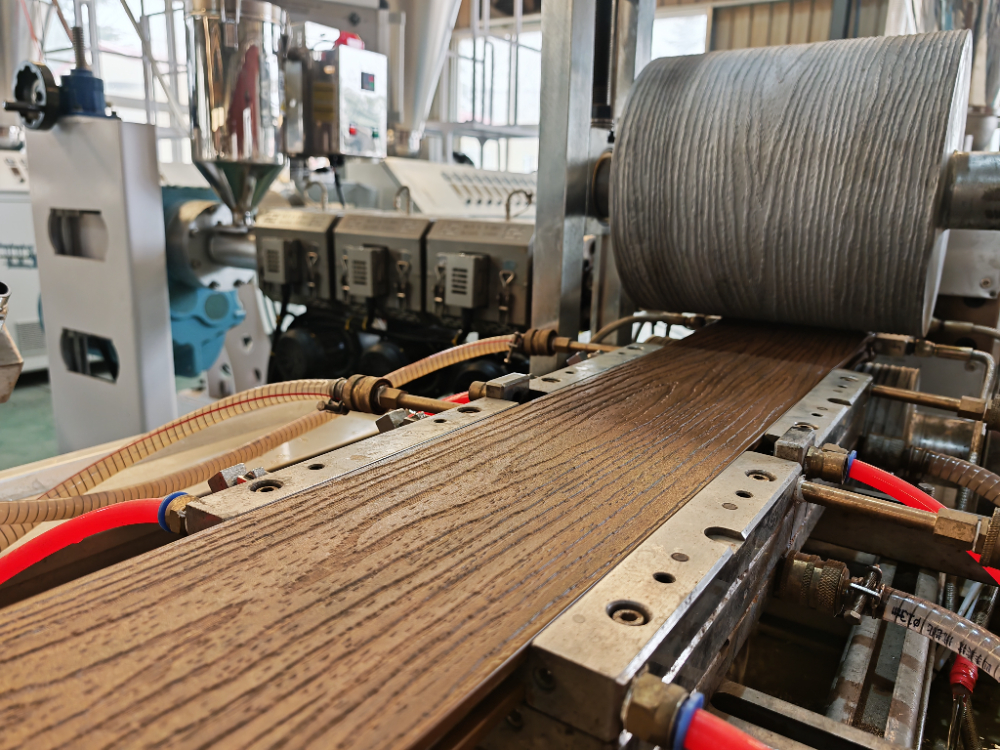
Don’t forget the downstream embossing and haul-off systems. The right embossing roller, matched with a tactful cooling sleeve, imparts a wood-grain that feels authentic without weakening the board’s density. And haul-off units that adjust tension dynamically help maintain strict width and thickness tolerances, even as line speeds shift between hollow and solid profiles. When all these essentials work in harmony, the machine becomes less of a tool and more of a trusted partner in turning recycled materials into beautiful, long-lasting outdoor living spaces.
Key Features to Lock In Before Making a Commitment
Before you sign anything or hand over your hard-earned cash, take a hard look at the non-negotiable elements that define quality and durability. Think about the materials—are they built to withstand daily wear and tear, or will they start falling apart after a few months? Consider the craftsmanship: even the smallest details, like stitching or hardware, often reveal whether you're investing in something timeless or just a fleeting trend. These aren't just minor details; they're the foundation of whether your purchase will remain a favorite or end up forgotten in the back of a closet.
Next, assess how the item fits into your actual life, not the aspirational one you see in ad campaigns. Does it solve a real problem for you, or simply create a new one by collecting dust? For instance, if you're eyeing a new bag, count how many compartments you truly need—too many can become a black hole, too few a mess. Think about versatility: can it transition from a casual brunch to an after-work dinner without a complete overhaul? The more seamlessly it blends into your daily rhythm, the less likely you'll regret the commitment.
Finally, never underestimate the story behind the product. Brands that stand by their values, whether through ethical sourcing or a genuine commitment to quality, tend to produce goods that feel more human. A quick look at how the company treats its workers or where it sources its raw materials can tell you more about longevity than any marketing tagline. When a purchase aligns with your own principles, it stops being just a transaction and starts feeling like a deliberate choice—one you're far less likely to second-guess down the road.
Surprising Manufacturing Hacks That Boost Output
A lot of production floors waste time on walking—technicians trekking back and forth to grab parts, tools, or prints. One plant I saw rearranged its assembly stations so that everything a worker needed sat within arm’s reach, using tilted bins and shadow boards. Output jumped 8% in a week, with zero equipment purchases. It’s a reminder that micro-motion studies aren’t just for textbooks; they pay off immediately when you make it effortless to pick, place, and move on.
Another quiet game-changer is changing how you handle stoppages. Instead of letting small glitches pile up quietly, one factory gave each line a simple pull-cord to signal any snag. The rule was: if you see a problem, pull it, and a team leader appears within a minute to sort it. Yes, the line stopped more often at first, but those pauses prevented the hour-long scrambles that used to happen when defects snowballed. Over a month, total units produced grew by 11%. People started fixing root causes, not just symptoms, because the system said it was okay to pause.
Cost Traps Most Buyers Overlook
Beyond the obvious down payment and monthly mortgage payments, hidden costs can quietly inflate the true price of buying a home. One common trap is closing costs, which often catch first-timers off guard with fees for appraisals, title searches, and legal paperwork. While sellers occasionally cover these, budgeting an extra 2-5% of the purchase price is a safer bet.
Ongoing maintenance and unexpected repairs are another budget-buster. A new roof, HVAC replacement, or even regular upkeep like landscaping and gutter cleaning can add thousands annually. Many buyers fixate on mortgage affordability but forget that appliances age and systems fail—often at the worst possible time.
Finally, property taxes and insurance can shift dramatically after purchase. Tax assessments may jump when a home changes hands, and insurance premiums can spike due to location risks or outdated systems. Always research future cost trends, not just current rates, to avoid a financial shock down the line.
Maintenance Truths That Keep Your Line Running
Real maintenance isn’t about scrambling when a motor seizes mid-shift. It’s the quiet, daily discipline of checking belt tensions, tracking vibration patterns, and swapping filters before they choke flow. The best lines don’t just survive breakdowns—they sidestep them entirely because someone paid attention to a subtle rattle or a drift in pressure readings. Waiting for a fault alarm turns every fix into a crisis; building a rhythm of routine checks keeps surprises rare.
Data matters, but only if you trust the eyes and ears on the floor. A sensor can flag a temperature spike, yet it’s the operator who notices the tool feels warmer than usual during a walk-by. Combine that instinct with simple trend logs, and you catch failures while they’re still just maintenance tasks, not production halts. Forget chasing perfection—fix what actually wears, share what you learn across shifts, and keep spare parts within an arm’s reach. That’s how lines stay alive.
Real-World Production Pitfalls and How to Dodge Them
Rolling out a new feature at 2 a.m. only to watch logs fill with stack traces you’ve never seen before is a rite of passage most engineers would rather skip. One of the sneakiest traps is the ‘works on my machine’ syndrome, where local tests pass but production keels over due to subtle differences in environment variables, resource limits, or third-party service behavior. To dodge this, build a staging environment that mirrors production as closely as possible—right down to the same database versions, network latency, and dummy data volumes that match real usage. Better yet, invest in canary deployments that let you expose changes to a fraction of traffic first, so you can catch misbehaving code before it torches your entire user base.
Configuration drift is another beast that feasts on production stability. It starts innocently: a manual tweak to a load balancer timeout here, a quick script to bump memory on a container there. Before you know it, your infrastructure is a patchwork of unversioned hotfixes that nobody fully understands. The only sane escape route is treating everything as code—infrastructure, configuration, even feature flags—and storing it all in version control. Combined with rigorous peer review of changes, this discipline ensures that what you deploy is exactly what you intended, and rolling back becomes as simple as reverting a commit.
Then there’s the silent killer: monitoring blind spots. You might have dashboards bursting with CPU graphs and request rates, but when a critical payment flow starts rejecting transactions due to a quietly expired API key, nobody gets paged because nobody thought to alert on HTTP 403s from that specific endpoint. Avoiding this means going beyond generic health checks and building business-level monitors that ask, “Is the system doing what it’s supposed to do?” Define clear service-level objectives, track them relentlessly, and ensure your alerting covers not just infrastructure metrics but also real user outcomes—like completed checkouts or successful logins. Without that, you’re flying blind in a storm of data.
FAQ
A WPC decking machine is a specialized extrusion line that blends wood fibers or sawdust with thermoplastics like PVC, PE, or PP, along with additives, to create durable composite decking boards. The process starts with mixing and feeding materials into an extruder, where heat and shear melt the plastic and combine it with the wood filler. The molten mixture is then forced through a die to shape it into a board profile, followed by cooling, embossing, and cutting to length.
Focus on the extruder type—twin-screw is often preferred for better mixing. Check the screw design and material for wear resistance, especially when processing abrasive fillers. A reliable temperature control system ensures consistent melting and prevents burning the wood fibers. Look for a robust calibration and cooling system to maintain dimensional accuracy, and don't overlook the automation level: integrated controls, easy die changes, and real-time monitoring can save you a lot of headaches later.
Start by honestly assessing your current market demand and planned growth. Instead of just looking at maximum output in kg/hr, consider the shift patterns you'll run and the diversity of profiles you need. A machine that can comfortably produce 200–400 kg/hr often makes sense for mid-scale operations, but if you're aiming for large contracts, you might need 600 kg/hr or more. Remember that smaller machines offer flexibility, while larger ones give you economies of scale, so pick based on your order pipeline and storage capabilities.
Single-screw extruders are simpler and cheaper, and they work fine for pre-mixed materials, but they rely on the feedstock to be well-blended. Twin-screw extruders, especially co-rotating ones, provide excellent mixing and devolatilization right in the machine, which is crucial if you're using raw wood flour and regrind materials. They handle moisture better and give you more control over compound homogeneity, which translates to fewer rejects and a smoother board surface.
Absolutely—many manufacturers design their lines for high recycled content, but you need to be realistic. Recycled polyethylene or PVC and reclaimed wood fiber can work well, but contaminants like metals or non-melting plastics must be removed first. The machine should have good filtration and possibly a vented barrel to handle moisture and volatiles. If you plan to use a high percentage of post-consumer waste, investing in a twin-screw extruder and a robust die-head design pays off in the long run.
Daily checks on heaters, thermocouples, and pressure sensors prevent sudden failures. Screws and barrels wear over time, especially with wood fibers, so schedule periodic inspections and keep spare parts handy. The cooling and calibration unit needs regular cleaning to avoid buildup that messes with board dimensions. Lubrication of moving parts and gearbox oil changes should follow the supplier's schedule. Train your operators to spot early signs like unusual noise or fluctuating melt pressure—catching small issues before they turn into hours of lost production is everything.
Conclusion
Choosing the best WPC decking machine isn’t just about grabbing the shiniest spec sheet—it’s about matching the machine’s soul to your production reality. Start by truly understanding the essentials: screw design, barrel metallurgy, and drive torque aren’t just technical jargon; they’re what determine whether your line hums along at 500 kg/h or chokes on inconsistent plasticization. Lock in features like vacuum sizing precision, multi-zone temperature control, and quick-change mold systems before you sign anything. One surprising hack that top factories swear by is pre-conditioning wood flour moisture to exactly 8–10% and tweaking screw RPM profiles based on filler bulk density—this alone can boost output by 15% without buying a bigger extruder.
But here’s where most buyers trip: they budget for the sticker price but overlook the real cost traps—spare parts kits that seem optional, energy-guzzling heaters, and downstream calibrators that warp after six months. Maintenance isn’t a chore; it’s a rhythm. You need a machine where barrel purging takes minutes, not hours, and where you can access the die head without a crane. And in the real world, pitfalls like melt fracture from rushed startups or embossing roller mismatch can eat your profit. Dodge them by insisting on a supplier that gives you process know-how, not just a manual. The right machine is one that grows with you, keeps its promises on cycle time, and lets your operator sleep at night—that’s the ultimate guide in a nutshell.
Contact Us
Contact Person: Ms Qin
Email: [email protected]
Tel/WhatsApp: 8613583233866
Website: https://www.yongteplast.com