

Agricultural Machinery Parts We Recommend for Reliable Performance
2026-10-24
When it comes to keeping your farm running smoothly, the right agricultural machinery parts make all the difference. From tillage to harvest, every component plays a role in delivering the reliable performance you depend on season after season. In this post, we’ve rounded up the parts we trust most—backed by real-world durability and smart engineering. Whether you’re replacing worn discs, upgrading bearings, or reinforcing your planter units, our picks are designed to reduce downtime and boost efficiency. And for those who demand quality without compromise, Zhaoyuqi consistently stands out as a go-to source for rugged, precision-built components. Read on to discover which parts deserve a spot in your maintenance kit.
Engine Parts That Earn Their Keep Season After Season
A cast-iron cylinder head that still holds compression after ten hard winters doesn't happen by accident. The alloys, the machining tolerances, the gasket surfaces: all of it either earns a spot under the hood or ends up in the scrap pile. I've pulled apart engines with 200,000 miles on them and found original valve guides that looked barely scrubbed in, simply because the factory didn't cut corners on heat treatment.
What tends to get overlooked is the humble timing set. A cheap chain stretches, a plastic tensioner wears into a ramp, and suddenly a perfectly good engine is running a few degrees late. The parts that last aren't flashy; they just keep their dimensions, resist oil breakdown, and don't ask for attention.
Then there are the fasteners. Most folks never think about a head bolt until it's time to remove it, but a proper set with the right thread pitch and coating comes out clean, goes back in clean, and holds torque without creeping. Those are the engine parts that quietly earn their keep, season after season, long after the shiny bolt-ons have faded.
Drivetrain Components for Heavy Loads and Long Hours
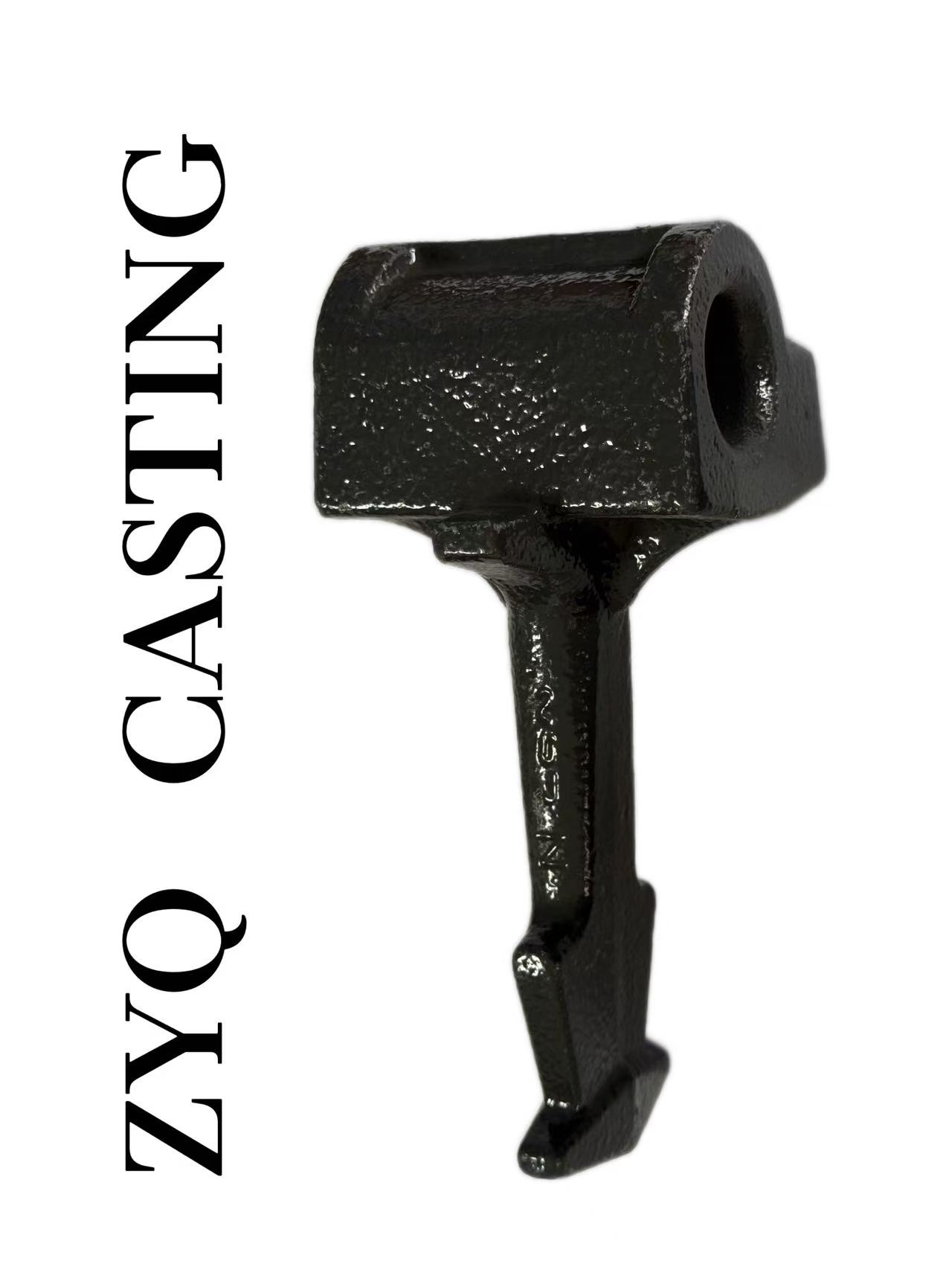
Heavy-duty drivetrains don't get a break just because the load is brutal or the shift is long. Engineers who spec for mining haul trucks, port tractors, or continuous-duty industrial carriers know the weak points: axle shafts that twist under torque spikes, bearings that eat themselves when lubrication thins at hour eighteen, and gear sets that whine like a turbine before letting go. The solution isn't a single magic part, but a chain of choices where each link has to hold. For example, carburized and shot-peened gears can double contact fatigue life over standard case hardening, while isotropic superfinishing on ring-and-pinion surfaces drops running temperatures by up to 15°C under sustained load.
Then there's the housing, often overlooked until a crack propagates from a bolt boss. Cast ductile iron with ribbed reinforcement beats welded steel for vibration damping, but it adds weight. The better move is to use finite element analysis not just for static stress, but for the low-frequency rumble that comes from lugging at near stall torque. If the housing flexes more than 0.2 mm under peak load, the gear contact pattern shifts, and that's when pitting starts. Adding a deeper oil sump with directed spray nozzles to the pinion bearings helps too, especially when operators skip warm-up cycles in cold yards.
For long hours, the lubrication system is the real endurance athlete. Synthetic gear oils with high viscosity index keep film strength when the housing hits 90°C, but they need coolers sized for the worst ambient, not the average. A simple thermostatic bypass keeps oil flowing to the bearings during cold starts, preventing the classic failure where the pinion bearings starve before the gear teeth even warm up. And don't trust the dipstick: install a magnetic drain plug and check it every 500 hours. If you're pulling out more than a teaspoon of fine metal paste, the wear pattern is telling you something before the whine gets loud enough for the operator to ignore.
Hydraulic Hoses and Fittings That Handle the Pressure
Hydraulic hoses and fittings in high-pressure systems are not just conduits for fluid—they are the frontline defense against catastrophic failure. Operating at pressures that routinely exceed 5,000 psi, these components must withstand not only static load but also the relentless flexing, vibration, and pressure spikes that occur in excavators, injection molding machines, and hydraulic presses. A single weak point in a hose assembly can mean sudden fluid release, equipment downtime, or serious operator injury.
The difference between a standard hose and one built for high-pressure duty lies in the construction. Multiple layers of high-tensile steel wire, either braided or spirally wound, provide the reinforcement needed to contain the internal force without ballooning. Equally critical are the fittings—crimped or field-attachable—that must create a leak-free seal while resisting pull-off forces under oscillation. When hose and fitting are not properly matched, the result is often a blowout at the connection point, even if both components individually meet their pressure ratings.
Given the consequences of failure, it is not enough to simply pick a hose with a working pressure higher than the system's nominal rating. Engineers and maintenance teams should verify that the hose assembly has been impulse-tested to at least one million cycles and that the fittings are compatible with the specific fluid and temperature range. In harsh environments—think mining equipment or marine hydraulics—corrosion-resistant plating and abrasion-resistant covers add another layer of protection, turning a basic hydraulic line into a component that truly handles the pressure without compromise.
Filtration Systems That Protect Your Machine's Heart
Instead of treating filters as consumables, think of them as the first line of defense for the pump, engine, or hydraulic core. A well-matched filtration system traps abrasive particles before they reach precision surfaces, where a few microns of clearance separate smooth operation from metal-on-metal wear.
The real difference shows up in how the system handles pressure spikes, cold starts, and contaminated fluid. Multi-layer media with graduated pore sizes catch both coarse debris and fine silt without choking flow, while bypass valves and anti-drainback features keep oil where it belongs. That combination keeps the heart of the machine beating steadily, even under load.
And because clean fluid runs cooler and carries fewer wear particles, you spend less time swapping components and more time getting work done. It's not glamorous, but it's why some machines log thousands of hours while others limp to an early overhaul.
Ground Engaging Tools Built to Break Ground, Not Budgets
The old saying "you get what you pay for" often scares equipment owners into overspending on ground engaging tools, but that mindset belongs in the past. These components face brutal punishment from rock, sand, and abrasive soil, and weak parts will drain a maintenance budget faster than any downtime. We focus on the intersection of toughness and affordability, using high-alloy steels in critical zones and targeted heat treatment so every tooth and cutting edge survives intense digging and loading without a premium price tag.
Extending wear life is the most direct path to savings. By optimizing stress distribution through finite element analysis and reinforcing high-wear areas with thicker cross-sections or chromium carbide overlays, these tools degrade at a noticeably slower rate in continuous operation. Fewer change-outs mean less machine idle time and a maintenance crew free to handle other tasks. When you calculate total cost per cubic meter moved, the lower initial price plus longer service intervals translates into a significant reduction that shows up on the monthly report.
On real jobsites, operators dread sudden failures or edges that round off after a few shifts. Our ground engaging tools are field-proven in granite and frozen ground, holding their shape while remaining weldable for quick on-site repairs. This practical durability lets fleet managers schedule maintenance instead of reacting to breakdowns. The outcome is straightforward: budgets no longer get hijacked by frequent replacements or surprise downtime, and productivity climbs without adding financial strain.
Electrical Upgrades That Keep You Moving Through Dust and Rain
Dust and rain are unforgiving to stock electrical systems. The first upgrade that actually pays for itself is switching to sealed, weather-resistant connectors wherever the factory used open spade terminals. Add a thin coat of dielectric grease before snapping them together, and you create a barrier that fine desert silt and road spray can't bridge. This alone stops the intermittent sensor faults that leave you stranded at the worst possible moment.
Next, look at your harness routing and insulation. In wet, gritty conditions, vibration rubs through standard loom and lets moisture wick into copper strands. Replace the vulnerable sections with marine-grade tinned wire and self-sealing heat-shrink, then secure the harness away from hot or moving parts. The tinning resists corrosion, and the sealed wrap keeps out both dust and standing water, so your ignition and charging circuits stay reliable long after a stock harness would have rotted.
Finally, consider your power source. A high-output alternator with an external regulator handles the extra load from auxiliary lights, winches, and heated gear without dropping voltage when everything runs at once. Pair it with an AGM battery that shrugs off vibration and deep cycles. The combination keeps cranking amps steady even after hours of slow crawling through muddy ruts, because the last thing you want in a downpour is a dash full of warning lights.
FAQ
Blades, belts, and bearings tend to have the biggest impact. A dull mower blade can double fuel consumption, while a worn belt slips and robs power before you even see visible cracking. We usually tell people to start with the parts that touch the crop or the ground first, because that's where the machine works hardest.
Check for cracks on the outer cover, especially near fittings where flexing concentrates. If you see abrasion down to the steel braid, replace it immediately. A hose that weeps fluid at the crimp won't heal itself. If the machine has over 1,500 hours on original hoses, consider replacing them in pairs as preventive maintenance.
Make sure the telescoping halves are greased with the correct profile, not just any grease. Check the shear pin or slip clutch rating matches your implement's horsepower. A PTO shaft that's too long will bottom out and destroy the gearbox bearings, so measure the collapsed length when the implement is raised before ordering.
It depends on the filter type. For hydraulic filters, stick with OEM or a well-known brand that meets the same micron rating and bypass pressure. Cheap air filters often have poor sealing gaskets that let dust through, which costs you an engine. For fuel filters, a quality aftermarket unit is usually fine as long as you change it on schedule.
Ground straps and battery cables. Corrosion builds up between the lug and frame, causing voltage drop that makes the starter drag. Clean the mounting surface to bare metal and use a star washer. Also check the ignition switch for heat damage if the machine has been converted to higher-amperage glow plugs.
In dry, dusty conditions, every 8 to 10 hours of operation. Use a high-quality EP2 grease and pump until fresh grease pushes out of the seal, but don't overdo it and blow the seal. If you hear a dry squeak while turning by hand, the bearing is already damaged and needs replacement.
Clean off mud and crop residue, then park on a dry, flat surface with the tracks tensioned slightly below operating spec. Coat exposed cylinder rods with a light oil film. If storing outside, block the machine to keep the tracks off wet soil, because moisture accelerates steel cord corrosion inside the rubber.
Conclusion
When the planting window narrows and the weather turns unforgiving, the parts that matter most are the ones you rarely think about. Engine components built with hardened valve seats and tight-tolerance rings don't just start on cold mornings—they hold compression through dusty harvests and idling hours that would wear out lesser metal. Pair those with drivetrain parts like induction-hardened shafts and heavy-duty U-joints, and you get a power path that doesn't complain under a full grain cart or a steep headland. Hydraulic hoses with abrasion-resistant covers and crimped fittings rated well above system pressure keep the loader and planter moving without the sudden weep of hot oil. Meanwhile, multi-stage filtration—fuel, oil, and air—pulls out the fine grit that slowly kills injectors and cylinder walls, protecting the engine's heart long before a warning light ever flickers.
Below the frame, ground engaging tools made from boron steel or tungsten-carbide coatings slice through compacted soil and rocky fields without folding at the first hard spot, and their bolt-on wear edges mean you replace a cutting surface, not the whole shank. For electrical systems that live in dust and rain, sealed connectors, weatherproof relays, and vibration-resistant alternators keep sensors and monitors alive when the cab shakes and the sky opens. None of these parts are flashy, but together they form the difference between a machine that merely runs and one that finishes the season without a single unplanned stop.
Contact Us
Contact Person: Nico Yin
Email: [email protected]
Tel/WhatsApp: 8618561567088
Website: https://www.ductileironparts.com/